











Enterprise AI Development Services

Plan Your Budget Confidently.
Choose Your Starting Point



Challenges That Enterprise-Level AI Solutions Solve

Enterprise AI Development Services We Provide


Enterprise AI Solutions for Modern Business Operations


Enterprise AI Solutions Driving Real Business Performance
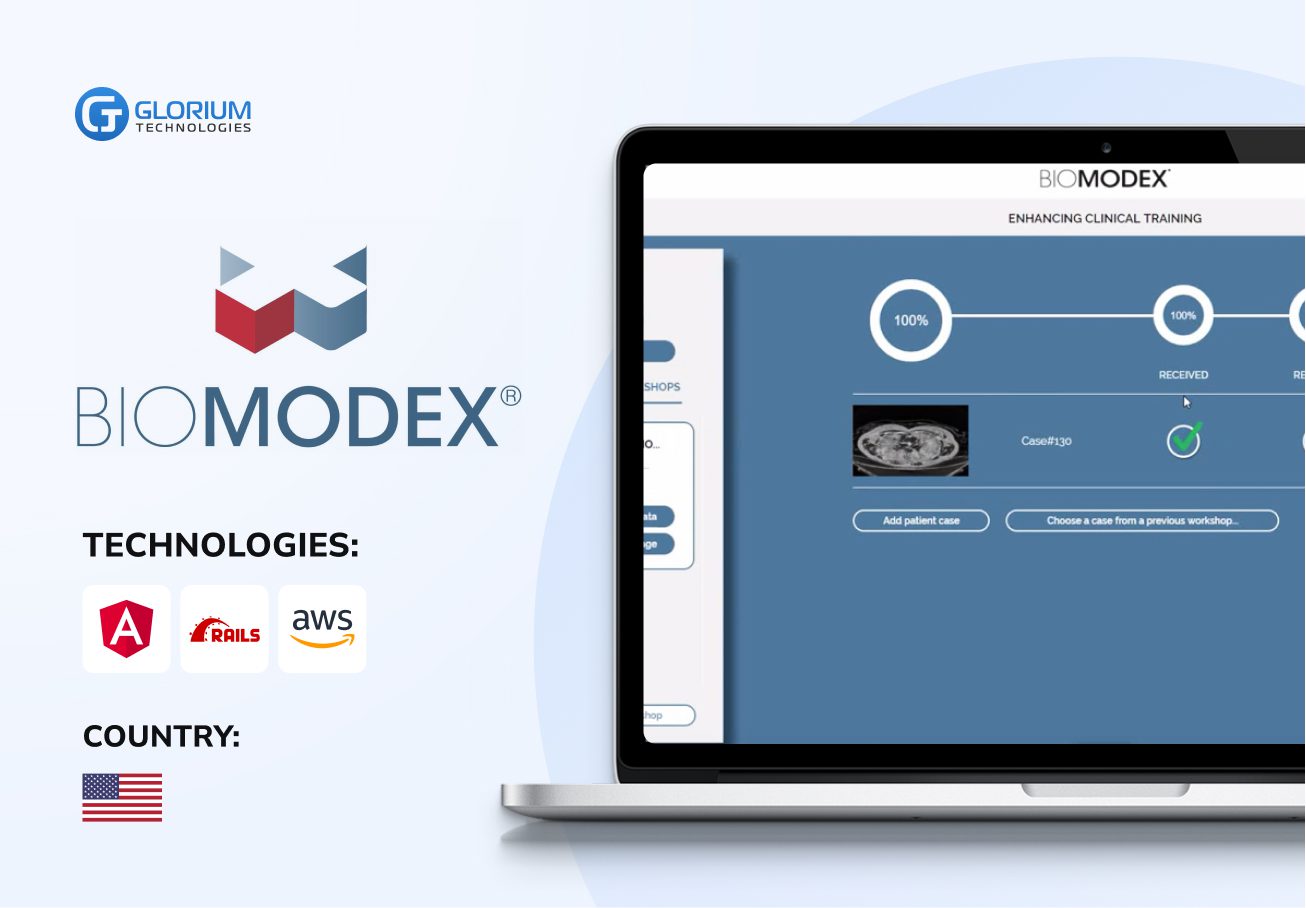
- No unified system to manage growing business operations
- Existing tools couldn’t support increasing operational complexity
- Manual processes limited decision-making
- All core business functions are now managed in one system
- Inventory and deliveries are planned more accurately
- AI consultants helped teams make faster decisions
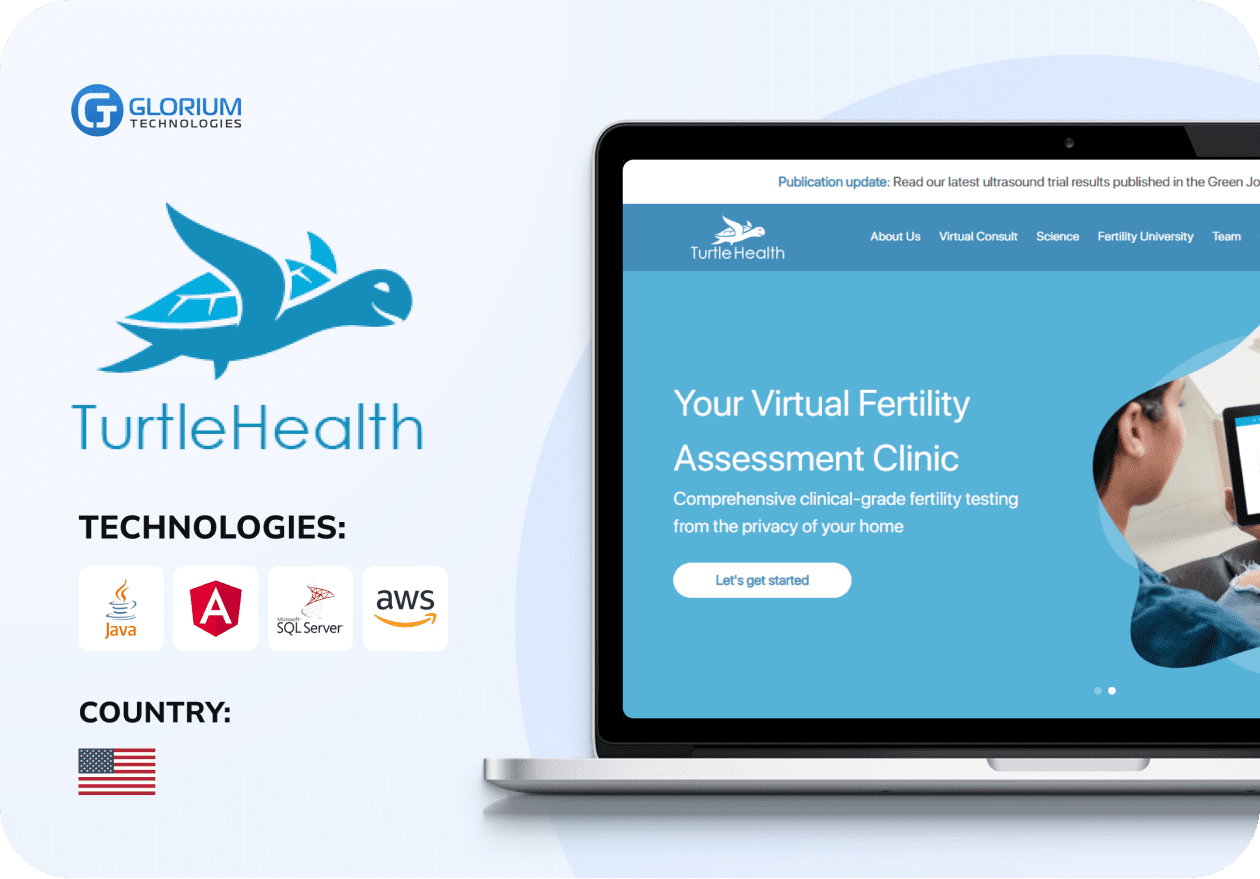
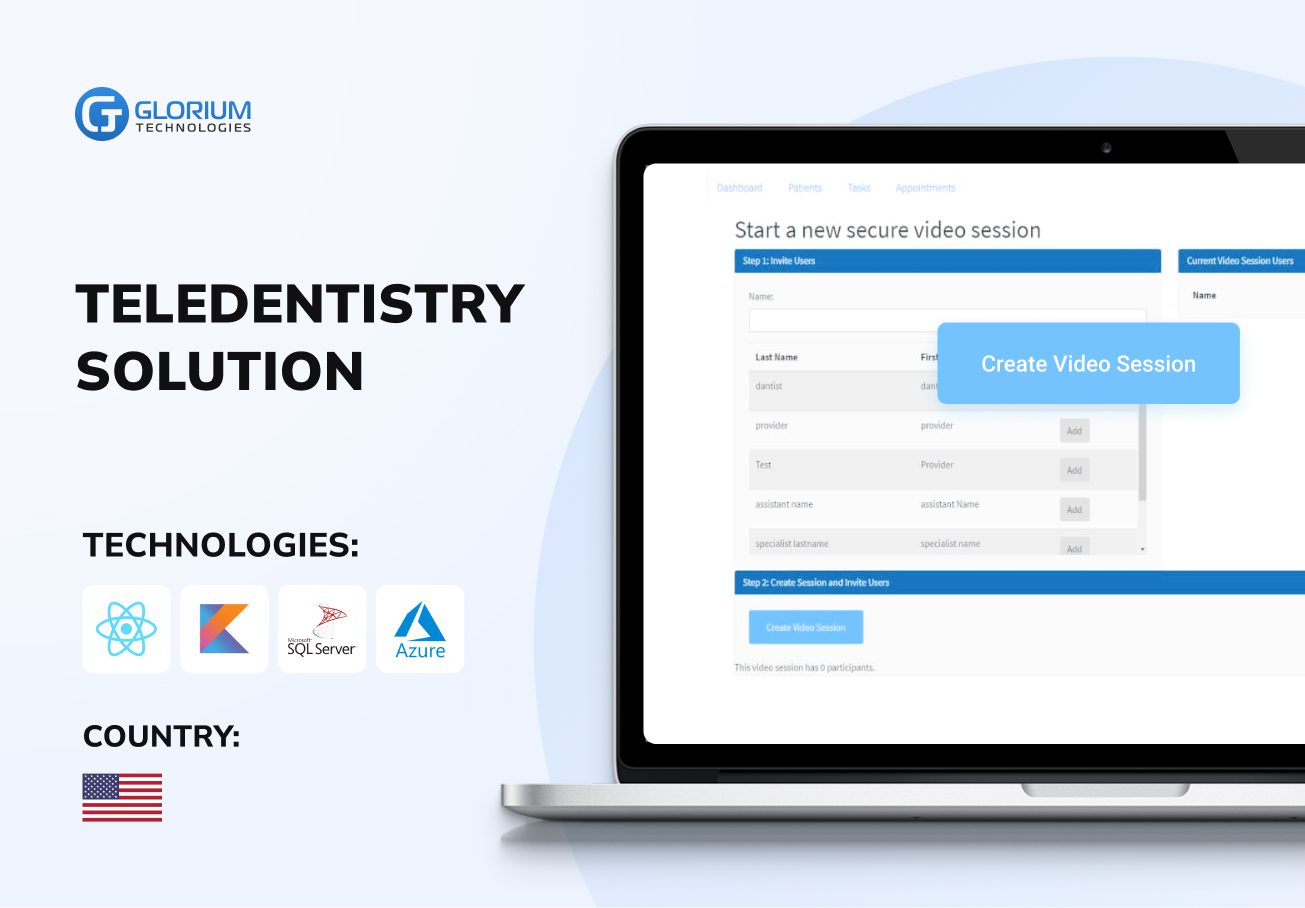
- Appointments were difficult to manage
- Too many patient support calls overwhelmed the staff
- Missed appointments disrupted daily operations
- Support calls dropped by 55%
- No-show appointments were reduced by 73%
- A clear development process delivered a 24/7 scheduling assistant
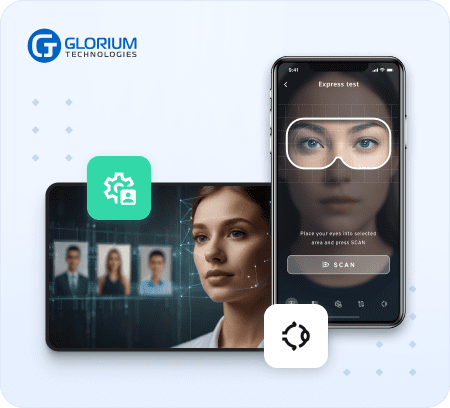
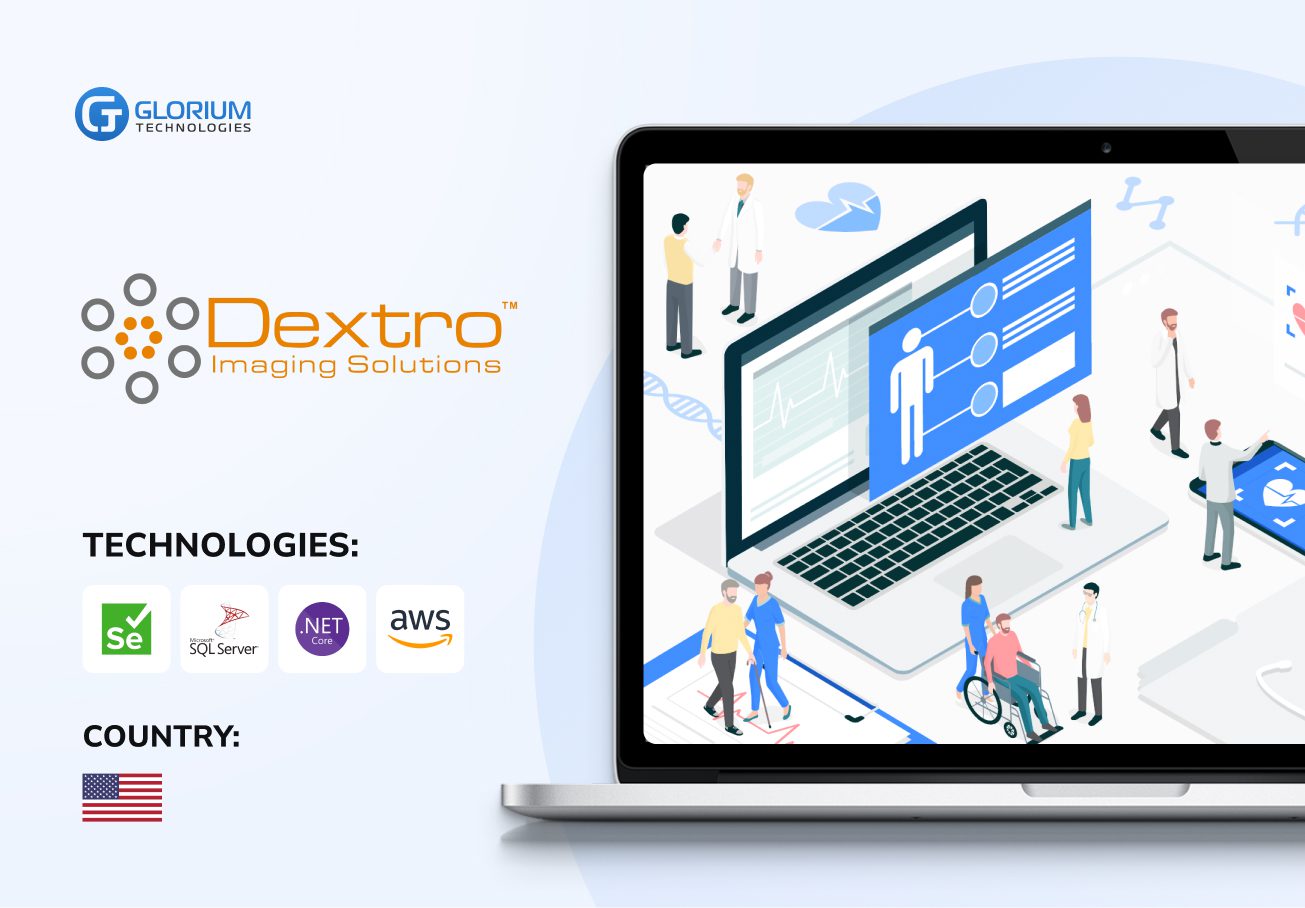
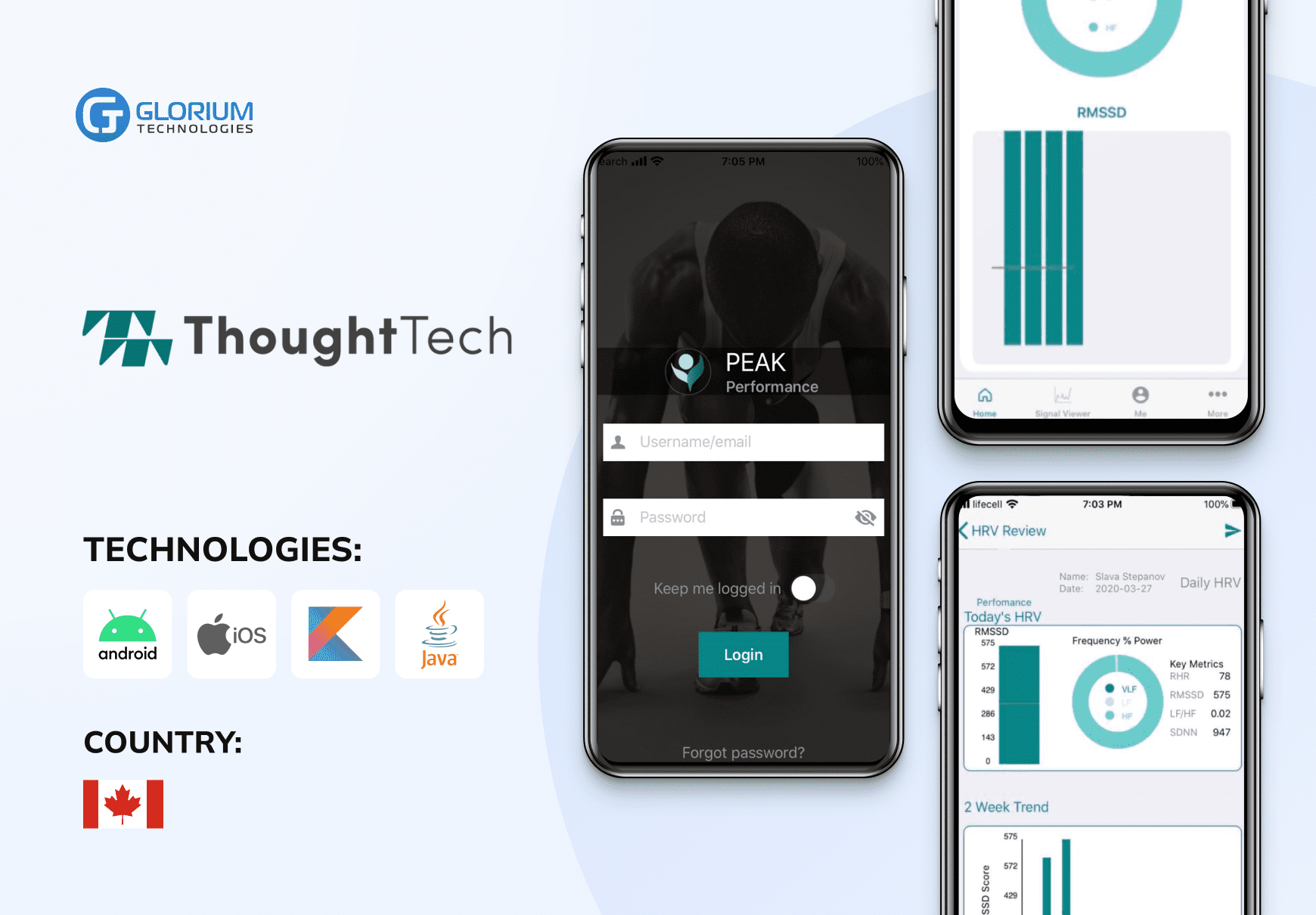
- Patients needed accurate eye measurements without clinic visits
- Doctors lacked real-time data before and after surgery
- In-person assessments increased the time and hospital workload
- Patients can check their condition from home, without visits
- Doctors get accurate measurements before and after surgery
- This step became a key part of the clinic’s AI journey
Why Choose Glorium Technologies for AI Software Development


Your Business With and Without Enterprise AI

- Decisions based on delayed or incomplete data
- Manual business processes slow teams down
- Legacy systems stay fragmented
- Forecasting remains inconsistent
- Falling behind data-driven competitors

- AI-powered insights support faster decisions
- Custom AI solutions streamline operations
- AI software works within enterprise systems
- Predictive analytics improve planning accuracy
- Measurable business value over the long term
Tech Stack Behind Your Custom Solutions

















What our clients say about us







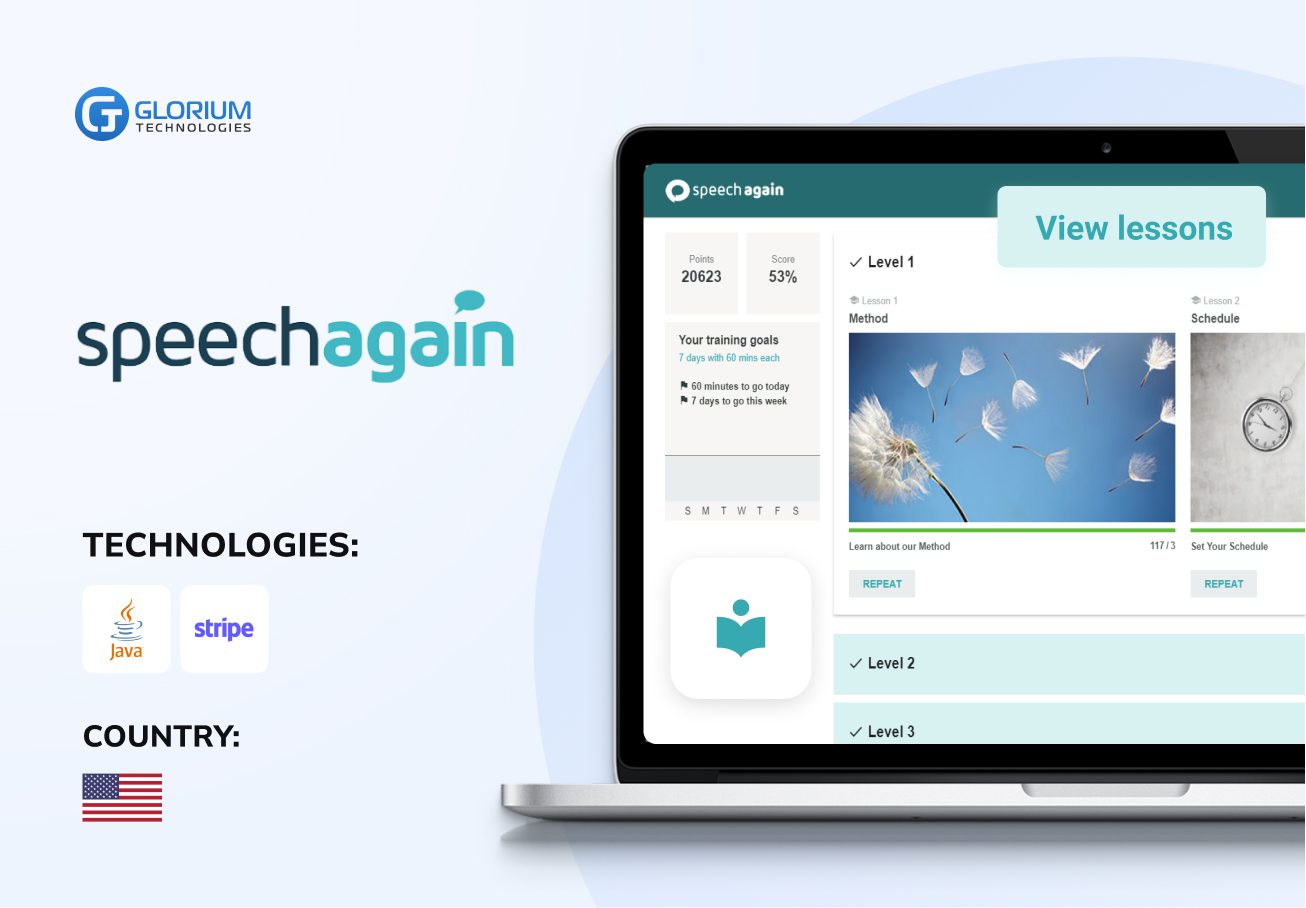
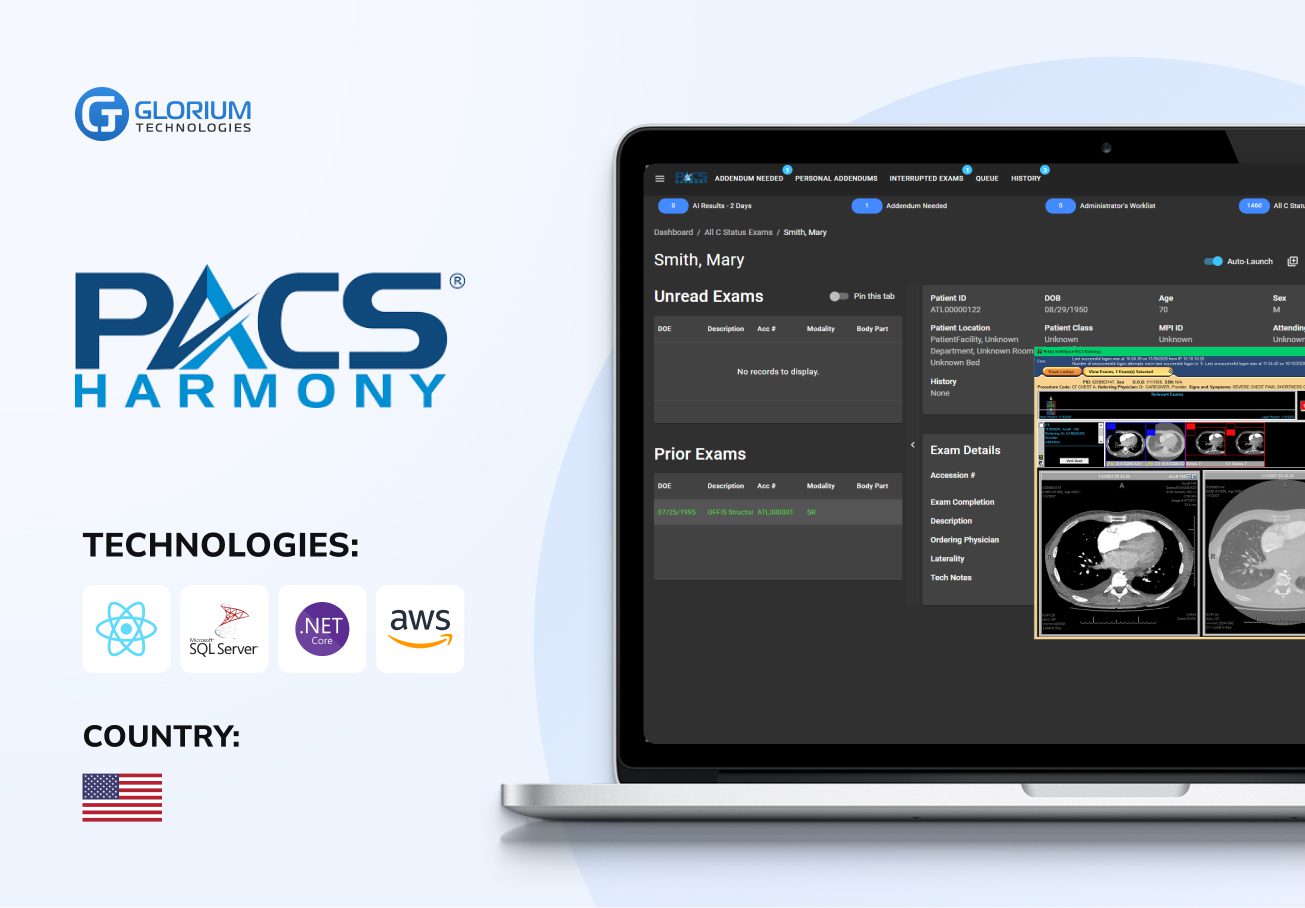
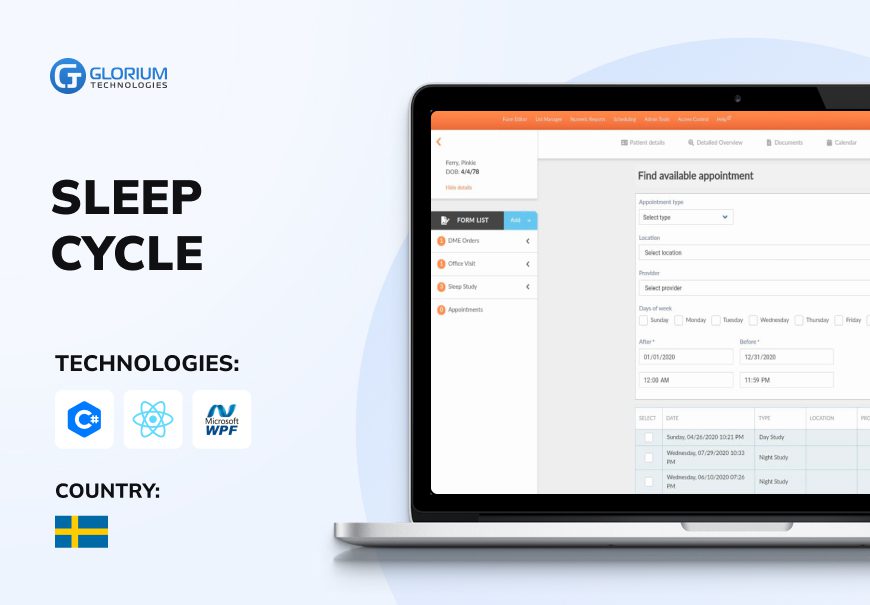
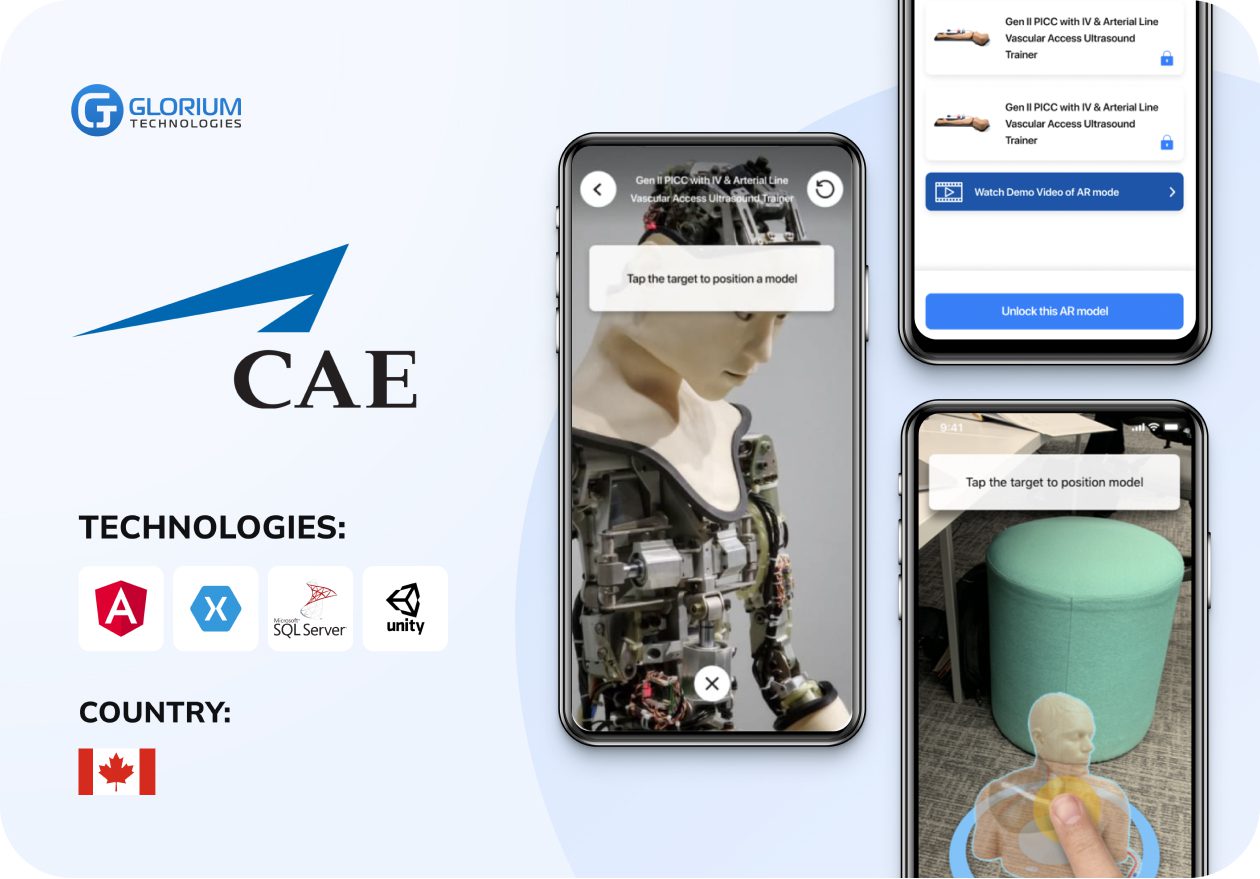
Success Stories










Who we are
About usGlorium Technologies is a full-cycle app & software development company which covers specific client business needs and manage them with the help of the best possible technology solutions.
Since 2010, we have been inventing digital breakthroughs, helping startups and businesses come out on top in their markets.

Why choose us





Certifications




Let's Connect!



FAQs
Which operational inefficiencies can enterprise AI identify and help reduce?
With enterprise AI, it is much easier to spot everyday inefficiencies that teams can’t find manually, directly improving operational efficiency. We are talking about repeated work, delays between systems, and manual handoffs in business processes. As enterprise AI initiatives mature, AI solutions align more closely with real business needs, using AI ML and strong data engineering practices to surface bottlenecks and eliminate unnecessary steps. On top of that, through better system integration, companies can reduce time and costs across different operations.
How does enterprise AI improve decision-making in complex business environments?
Operational decisions often depend on incomplete or delayed information. However, enterprise AI combines data from multiple sources, applies large language models, and delivers insights in a usable form for decision-makers. Thanks to AI integration with existing systems, managers gain a more real-time view of business performance. This is where they no longer rely on static reports. This approach supports broader AI adoption and allows leaders to make faster, data-backed decisions that reduce reliance on intuition or outdated information.
What challenges do enterprises face when analyzing large volumes of business data manually?
Data volumes grow, and as a result, manual work becomes more complicated to manage. Teams deal with inconsistent formats, delayed reports, and limited visibility across enterprise systems, which makes important patterns easy to miss. We offer enterprise AI development services where data scientists and AI engineers use modern AI development tools to develop AI solutions tailored to business needs. Simply put, we know how to help you automate data analysis and scale as data grows. Moreover, this allows enterprises to work with large data sets more accurately and reduce errors. Glorium Technologies provides data analysis, data engineering and pipeline development to make sure your information is structured and ready for high-level processing.
How can enterprise AI improve forecasting accuracy and planning consistency?
One of the main challenges in forecasting is working with data that is spread across different systems. However, enterprise AI has the potential to improve forecasting. It uses predictive analytics and AI-powered models that adapt when new data becomes available.
This makes planning more consistent across teams and departments. Expectations become clearer, supply chain planning improves, and forecasts rely on current conditions (not on old averages).
What risks arise when insights are delayed across departments or systems?
When information comes too late, teams don’t see the full picture. If data is spread across systems, decisions are made with missing details, and this may lead to mistakes and missed opportunities. Enterprise AI helps reduce these risks – it improves data flow across enterprise systems. With better AI integration, companies can coordinate responses across departments and reduce the impact of fragmented decision-making.
How does AI help uncover hidden risks and patterns that traditional reporting often misses?
Traditional reporting is limited; it focuses only on predefined metrics. Enterprise AI goes further because it uses AI models, including natural language processing and enterprise generative AI development services, to work with unstructured data such as documents, logs, and messages. All this makes it easier to spot patterns, risks, or unusual behavior that standard reports often miss. As a result, teams can be more effective when managing risks.
Why is it difficult to scale manual or rule-based processes without enterprise AI?
Manual and rule-based processes require constant updates, break under edge cases, and depend heavily on human effort. Enterprise AI takes a different approach; it learns from data and adjusts when conditions change. AI solutions built by an experienced AI development company can scale across teams and systems without adding more manual work. That’s why enterprise AI development is critical for companies that are looking for long-term growth. Our approach starts with strategic AI consulting and moves into PoC and MVP development, so you can validate scalability before full-scale deployment.
What should enterprises look for when choosing an AI development partner?
When choosing enterprise AI services, look beyond individual technologies. A reliable AI software development company should offer experienced, dedicated teams that understand enterprise systems, data complexity, and long-term support needs. Moreover, the right partner also brings practical AI services, reliable development tools, and a clear delivery approach, so solutions fit your systems and create real business value. Look for a partner who offers AI training & change management to help your staff adopt new tools and AI security & compliance auditing to protect your corporate reputation.
How can enterprise AI development services support different business needs across industries?
Enterprise AI development services are designed to work across diverse industries. They adapt to very different business challenges and data environments. For example, in operational scenarios, predictive maintenance helps companies detect potential issues and avoid costly downtime. When businesses need to work with visual data, image and video analysis allow teams to achieve better monitoring, inspection, and quality control.
On the customer and internal communication side, conversational AI solutions make interactions more efficient. However, generative AI solutions help teams create, summarize, and use information faster. Throughout all these use cases, data security is treated as a foundation rather than an afterthought. It guarantees enterprise data remains protected as AI solutions scale.
How does enterprise AI work with existing systems without creating security risks?
Most companies rely on a set of established tools and platforms, so introducing AI shouldn’t mean rebuilding everything from scratch. Enterprise AI solutions are designed for seamless integration with existing systems. They allow teams to improve workflows without disrupting daily operations. Glorium Technologies specializes in seamless AI integration and AI-powered legacy system modernization. We make sure that new AI capabilities improve your existing infrastructure.
Tasks like automated document processing help reduce manual effort and speed up routine work, especially when dealing with large volumes of information. At the same time, access controls help keep sensitive data in the right hands as AI becomes part of everyday work.
How does Glorium Technologies handle custom AI solutions development and Large Language Models (LLMs)?
Our generative AI development services focus on custom model fine-tuning. Simply put, we make AI speak your corporate language. We specialize in AI memory and context Integration, which means adding a “memory” (RAG) to your existing AI apps. As a result, they can use your internal documents to give accurate answers. We build new systems from scratch or upgrade your current ones. The goal is to make sure our enterprise-grade AI solutions development fits perfectly with how your team works.
Which cloud ecosystems do you use for enterprise LLM platform implementation?
It’s clear that a standard setup won’t work for every company. We analyze the current setup and deploy AWS AI Solutions (leveraging SageMaker and Bedrock) or Azure AI Solutions (including Azure OpenAI and Cognitive Services). This guarantees your enterprise LLM platform implementation stays within your own cloud perimeter. And your sensitive data is always secure and under your control. Our team manages the complex architecture and setup, so you get a production-ready environment without the stress of managing the underlying hardware.
What happens after the AI integration and deployment?
Launching the model is the first step. After that, we need to make sure that your investment performs well. Glorium Technologies provides ongoing AI integration and deployment support with strict MLOps and model monitoring. AI models can “drift” or become less accurate over time as data changes, so we track their health in real-time. Our сustom AI solutions development is focused on the long term. We provide the ongoing support required to keep your platform fast as your business grows.
What steps are involved in building an enterprise AI solution from start to finish?
We follow a six-phase roadmap to make sure the final product solves your business problems and, at the same time, doesn’t break your current systems:
- Phase 1: Assessment. Everything starts with a research of your current data and workflows. We need to see where AI will have the biggest impact.
- Phase 2: Exploration. At this stage, our team maps out the technical architecture and chooses the best models for your specific case.
- Phase 3: Pilot (PoC or MVP). We build a light version of the tool first. It’s a low-risk test run that lets us prove the AI works with your data and get real feedback from your team. On top of that, this step allows our team to identify any issues early. We refine the strategy (if necessary) before you commit to a full-scale rollout.
- Phase 4: Model Integration. This is where we plug the AI into your existing software environment; we need to make sure it fits into your team’s daily routine.
- Phase 5: Testing & QA. The main goal of this stage is to make sure the system deals with real-world data properly. So we double-check everything and test the model’s performance.
- Phase 6: Deployment & Maintenance. After the launch, we stay on board to monitor the model’s performance and tweak it as your business scales.