
Manufacturing Software Development
Transform Processes and Integrate Next-Gen Technologies Partner with us to develop cutting-edge solutions that optimize production, enhance supply chain efficiency, and ensure top-tier quality—without compromising security.

Plan Your Budget Confidently. Choose Your Starting Point
Your Progress
Choose an option below to continue.



Why Choose Us for Your Manufacturing Software Needs
 14+ Years of Business Expertise
 Full-Cycle Development
 200+ Highly Skilled Developers
 Focus on ROI-Driven Solutions
Custom Manufacturing Solutions We Build

AI-Driven Solutions
We integrate machine vision, NLP, and deep learning to develop intelligent automation systems that detect defects, improve sorting processes, and ensure consistent product quality. Our scalable solutions seamlessly connect with your existing systems to enhance efficiency and maximize productivity.

Predictive Maintenance
Integrate real-time insights into your production processes with our advanced monitoring solutions. We develop dashboards that track key performance indicators, identify bottlenecks, and optimize resource allocation—empowering you to make data-driven decisions and drive continuous improvement.

Predictive Maintenance
Reduce downtime and prevent costly equipment failures with AI-powered predictive maintenance solutions. Our systems analyze operational data to forecast potential issues before they occur, enabling proactive maintenance scheduling to avoid disruptions.

Order & Inventory
Optimize inventory control and order fulfillment with AI-driven software solutions. Track inventory levels in real-time, automate reordering, and prevent stockouts to ensure smooth operations and customer satisfaction.

CRM Software
Enhance customer relationships with a CRM tailored for manufacturing. Our solutions streamline lead management, sales tracking, and team collaboration while providing valuable insights into customer needs and market trends.

Supply Chain Management
Our SCM software creates a unified platform for procurement, inventory management, and logistics. From order placement to delivery, we help you enhance visibility, reduce lead times, and improve supply chain efficiency.

Condition Monitoring
Ensure uninterrupted production with AI-powered condition monitoring. Our software continuously tracks equipment health, detects anomalies, and triggers alerts for proactive maintenance, reducing unplanned downtime.

Business Intelligence Management
Leverage BI tools to gain actionable insights into your operations. Visualize key performance metrics, track trends, and uncover optimization opportunities to drive continuous improvement.

Warehouse Management
Maximize warehouse efficiency with AI-driven inventory tracking, order fulfillment, and logistics optimization. Our solutions streamline warehouse operations, improving speed and accuracy.

ERP & MRP Software
Integrate enterprise resource planning and material requirements planning systems to streamline operations. Manage resources, track orders, and synchronize production activities across departments for improved efficiency and profitability.

Manufacturing Execution
Our MES software provides real-time visibility into production workflows. Monitor work-in-progress, optimize scheduling, and ensure quality compliance with a system built for operational excellence.

Business Process Management
Optimize operations with AI-enhanced BPM software. From product lifecycle management to asset tracking and resource planning, our solutions empower manufacturers to enhance efficiency and maintain full control over key business processes.
Real Results in Manufacturing Software Development
Our solutions drive measurable improvements in production efficiency, cost reduction, and operational excellence. See what’s possible when technology meets manufacturing.
Transform Your Business

- 40%
High Production Output
Automation and real-time monitoring help manufacturers scale operations efficiently.
- 5x
Reduction in Downtime
Predictive maintenance prevents unexpected failures and keeps production running.
- 28%
Lower Material Waste
Advanced analytics and IoT integration optimize resource usage and reduce waste.
- 40%
Faster Order Fulfillment
Custom ERP and inventory management solutions streamline supply chain logistics.


Boost Efficiency, Cut Costs, and Enhance Production with Custom Manufacturing Software
Let’s build a smarter, more efficient manufacturing future together.
Talk to an ExpertAccess Your Manufacturing Software Anywhere

Mobile Apps
Keep your manufacturing operations within reach at all times. Our mobile apps provide secure access to production tracking, inventory management, and quality control, allowing your team to make informed decisions anytime.

Web Applications
Designed for cross-browser compatibility, our solutions enable real-time reporting, system integration, and smooth operation across all devices—keeping your team connected and your production on track.

Desktop Apps
Power your manufacturing processes with high-performance desktop applications. Our software solutions offer secure offline access and deep system integration to enhance efficiency and control.
Manufacturing Software Development Services
From concept to completion, we develop and support software solutions that enhance efficiency, improve workflows, and drive long-term success.

Custom Software Development
Build software designed specifically for your manufacturing processes. Easily adapt features as your needs evolve, streamline operations, and improve productivity with a tailored solution.
Mobile App Development
Our custom-built mobile apps integrate seamlessly with your existing systems, ensuring smooth workflow management and operational efficiency. We build customized and user-friendly apps.

Next-Generation Technology
Stay ahead of industry changes with cutting-edge technology. We implement IoT, cloud systems, and advanced analytics to future-proof manufacturing operations and keep businesses competitive.

PoC and MVP Development
Validate your manufacturing software idea before full-scale implementation. We help you test feasibility, refine features, and accelerate time-to-market with PoC and MVP development.

Support & Maintenance
Ensure uninterrupted operations with our reliable support and maintenance services. We help you keep your software running smoothly, minimize downtime, and continuously improve the system.
Software Modernization
Our modernization solutions help you enhance system performance, integrate new technologies, and future-proof your manufacturing operations without disruptions in your production.
Who We Work With
 Startups
- Industrial Equipment Manufacturers
- Automotive & Aerospace Manufacturers
- Electronics & Semiconductor Manufacturers
- Heavy Industry & Machinery Companies
- Consumer Goods & Packaging Manufacturers
- Metal & Steel Fabrication Firms
- Food & Beverage Processing Companies
- Textile & Apparel Manufacturers
Our Approach to Smart Manufacturing Software Development
Consultation
We learn more about your needs
Discovery Call
We provide a deep tech consultation
Project Scope
We offer a realistic roadmap
Assemble Team
We bring together experts
Kick-off
We start a project

What our clients say about us






Success Stories
- Healthcare
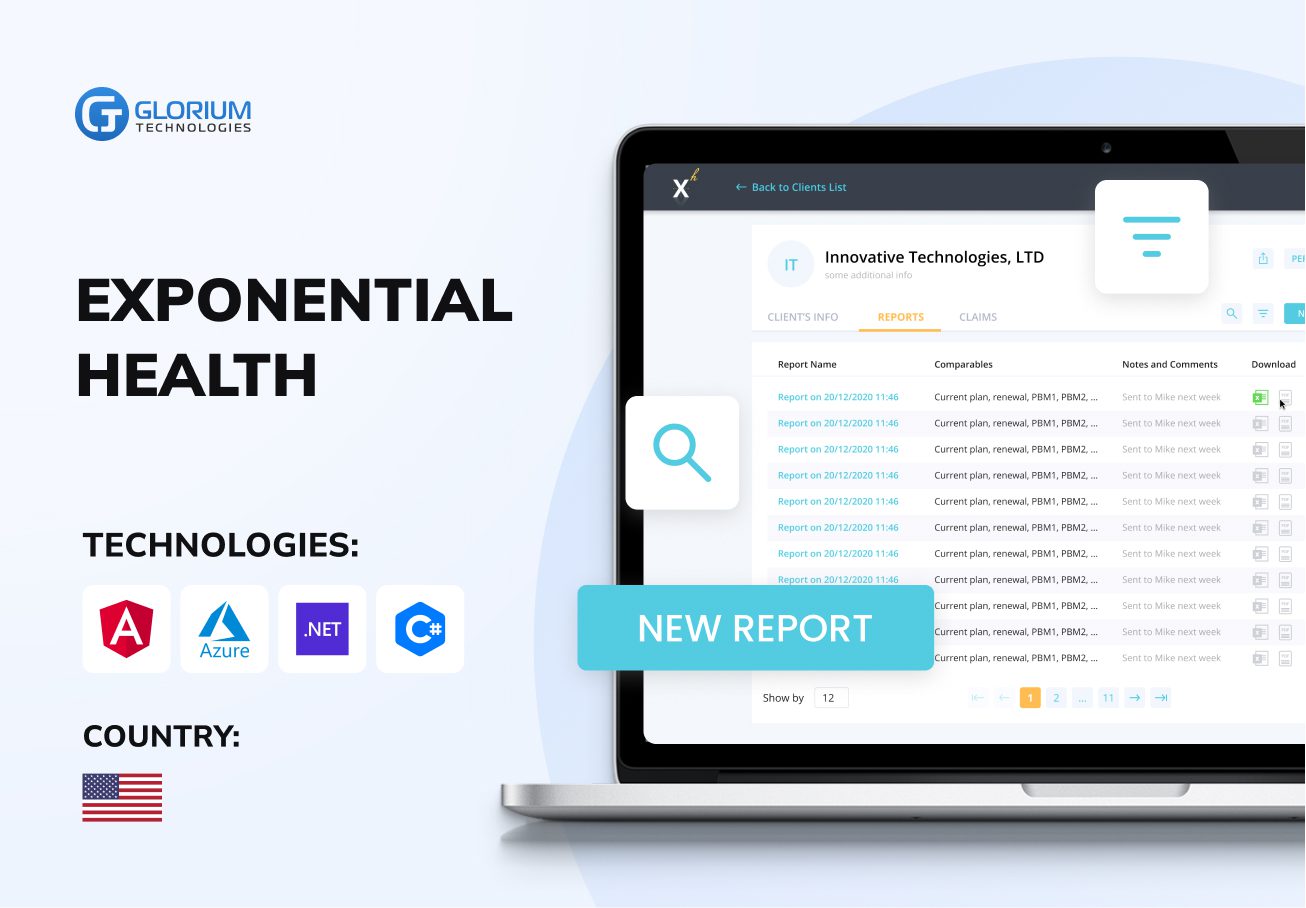
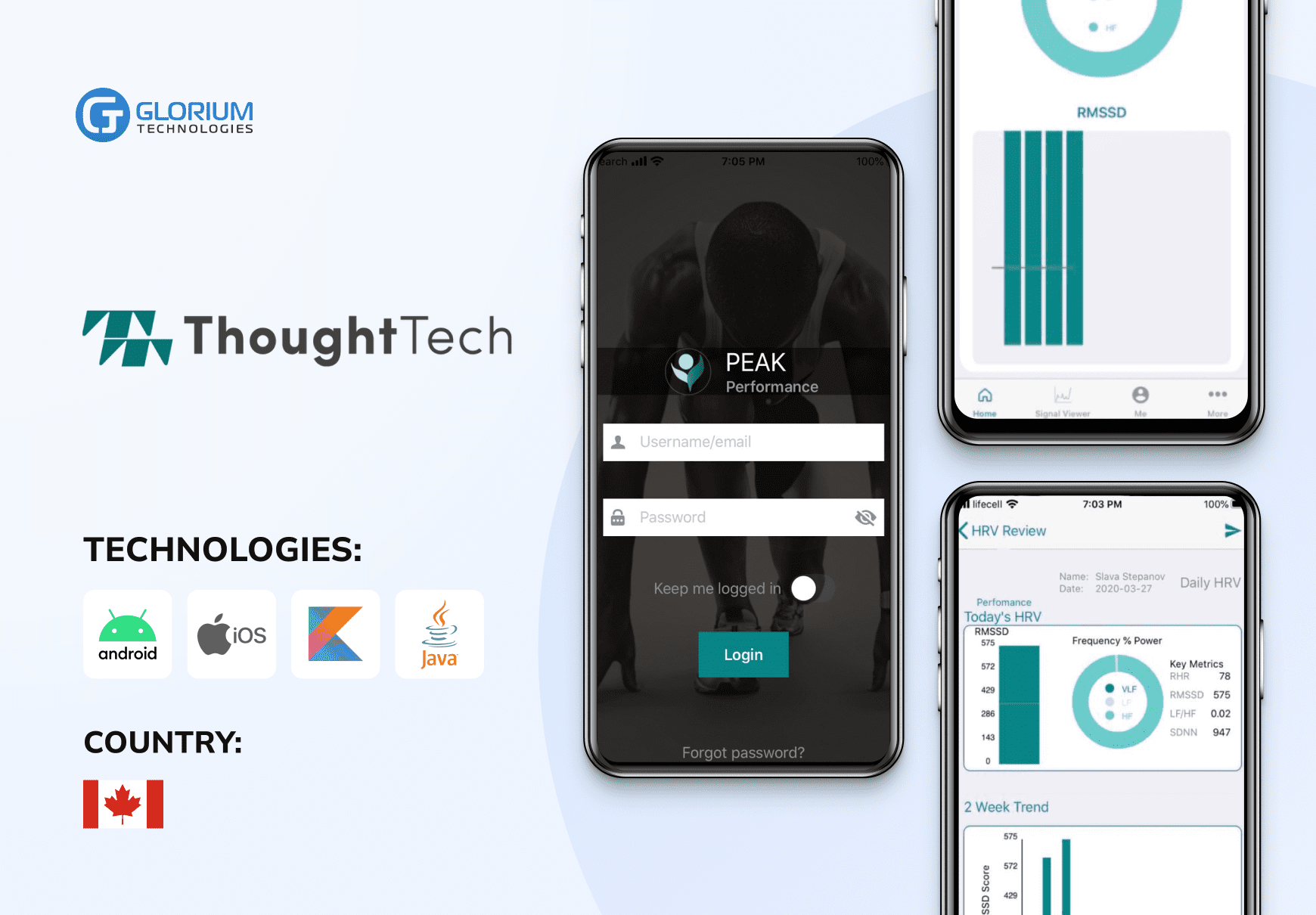
Web Portal for Remote Fertility Testing
- Healthcare
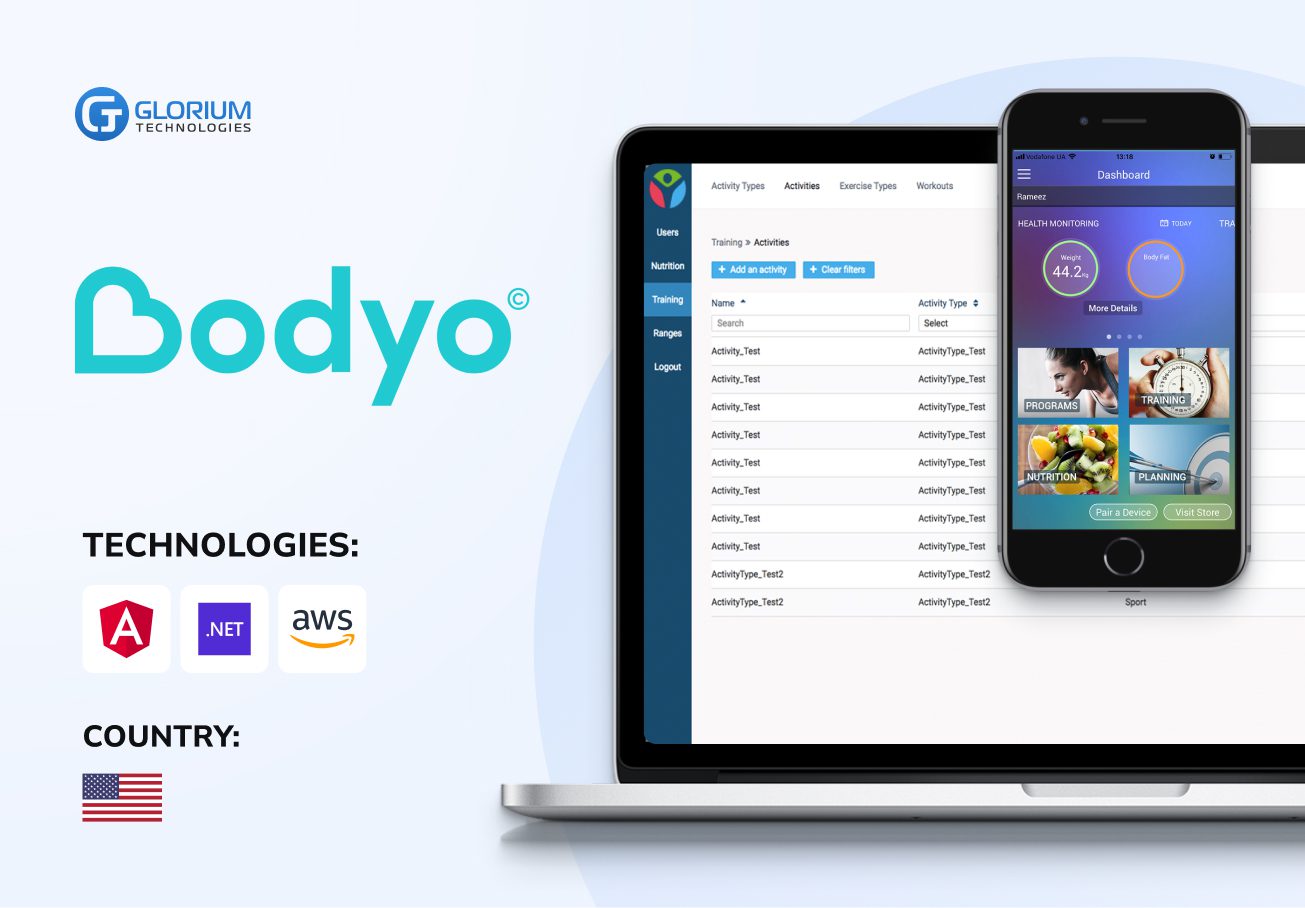
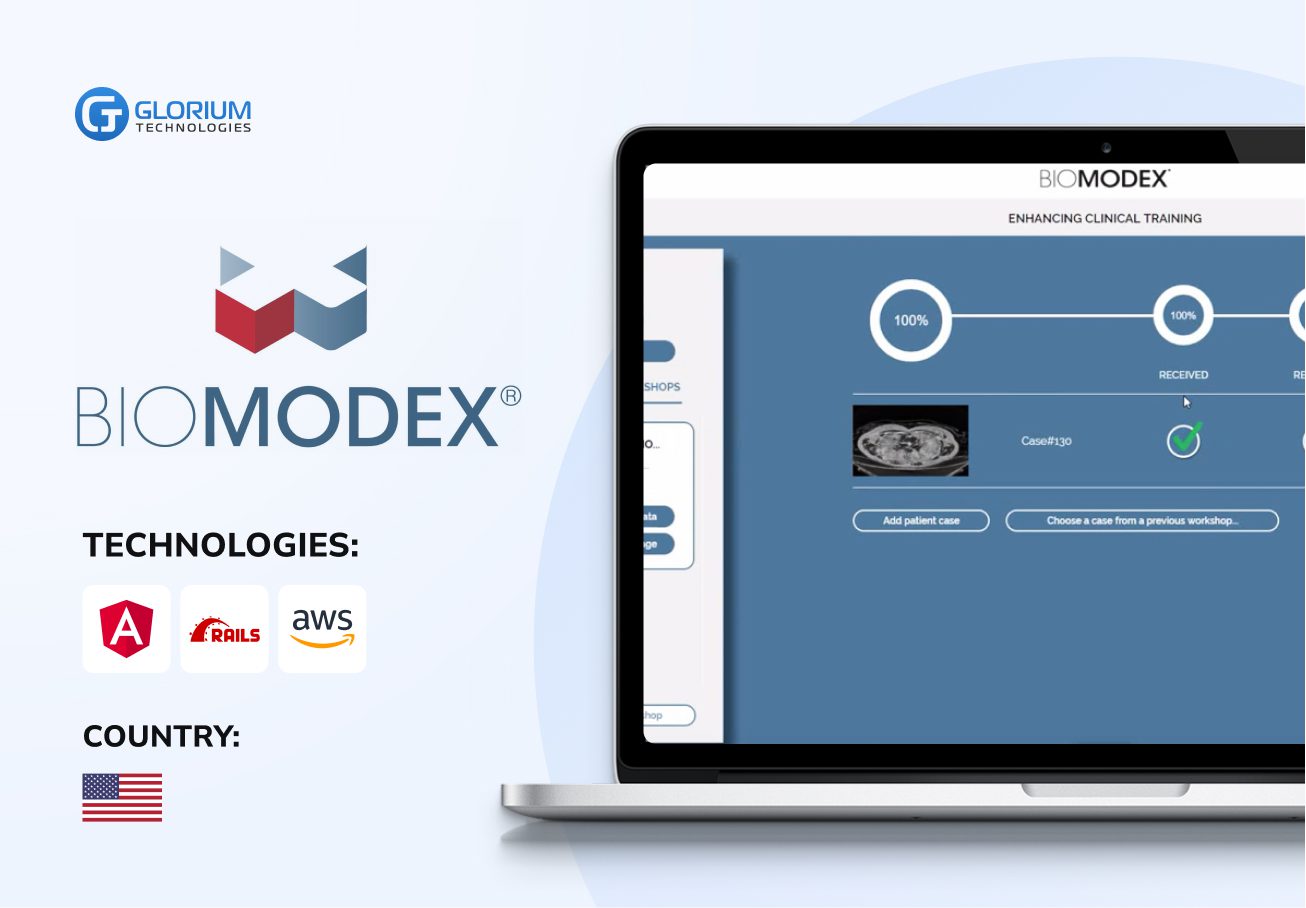
Health monitoring and tracking platform
- Healthcare
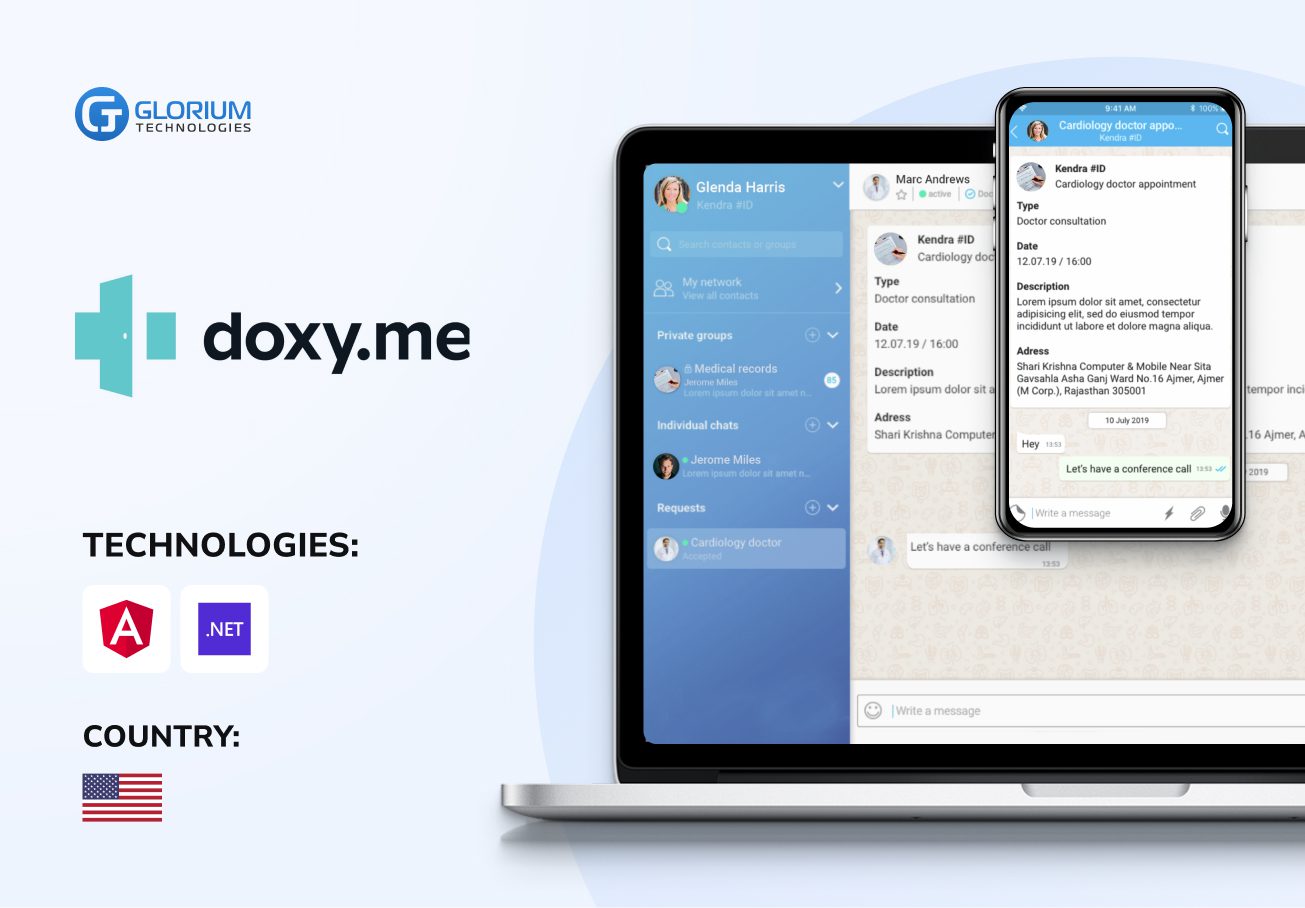
Streaming solution for healthcare
Who we are
Glorium Technologies is a full-cycle app & software development company which covers specific client business needs and manage them with the help of the best possible technology solutions.
Since 2010, we have been inventing digital breakthroughs, helping startups and businesses come out on top in their markets.
About us
Why choose us
Products delivered
Years on the market
Client satisfaction rate
Awards & certifications
Awards & recognitions
More achievements



Certifications




Let's Connect!
Send us a message, and we'll promptly discuss your project with you.
Your journey with Glorium Technologies
Research
You’ve done your research and realized we could be the right fit.
Form submission
Fill out the form with details about your request. Please share as much information as possible.
Initial consultation
We discuss your needs and explain our process.
Discovery call
This is a deep technical consultation to discuss all requirements, commitment-free.
Kick-off
We sign the contract and help your business grow strategically and achieve long-term success.
How Custom Manufacturing Software Development Solves Industry Challenges
As a manufacturer, you’re likely facing several persistent challenges when operating your company. One issue is the shortage of skilled labor, which over half of manufacturing executives have identified as a top concern. Additionally, managing manufacturing operations, inventory management, and efficient supply chain management remain complex tasks, often leading to production delays and increased operational costs. Technological development has added another issue, which is intensified by the pressure to automate manufacturing processes and adopt advanced technologies. Between working on quality control, the safety of your workers, and guaranteeing customer satisfaction, manufacturing companies have to jump through hundreds of hoops to achieve operational efficiency.
Market research shows the manufacturing software sector will expand significantly from its 2024 value of $123.78 billion to reach $358.85 billion by 2032 at a 14.2% compound annual growth rate. The market expansion demonstrates the urgent need for solutions to address industry challenges. Custom software applications designed to meet your unique requirements help maximize operational efficiency while cutting expenses and delivering superior competitive performance. So, if you’d like to learn more about how to use manufacturing software development to solve your unique challenges, learn best practices, and increase product quality, read on because we’ll be exploring various aspects of manufacturing software solutions.
Challenges Every Manufacturing Company Faces
Today, manufacturers have many obstacles that hinder their ability to operate efficiently and remain competitive. Inefficiencies are caused by outdated processes, supply chain disruptions, high operational costs, quality control issues, and a lack of real-time data. And if not addressed, they can slow down production, drive up costs, and complicate meeting customer demands. With the industry becoming more digital and connected, those who don’t address these pain points will struggle to keep up. So, let’s explore these key challenges in further detail and discuss their long-term impact on manufacturing businesses.
Poor production planning
Inefficient production processes are one of the biggest hurdles manufacturers face. However, many companies still use old systems and manual workflows that slow down their operations and lower their overall productivity. Without automation, teams spend too much time doing repetitive tasks, adding delays to production schedules and money to labor costs.
These issues can build up over time and cause long-term negative impacts:
- Production delays
- Higher labor costs
- Reduced output
- Increased error rates
Disruptions in the supply chain
For any manufacturer, managing a smooth supply chain is important, but disruptions in the availability of material, reliability of suppliers, or logistics can seriously affect production. Many companies lack real-time inventory tracking, which makes it difficult for them to respond quickly to shortages or overstock situations. Poor visibility into supply chain movements results in manufacturers operating reactively rather than proactively and in inefficiencies.
How do these issues affect your business in the long run?
- Stockouts and production halts
- Excess inventory costs
- Supplier reliability issues
- Increased operational risks
High operational waste
Manufacturing is a resource-intensive industry, and inefficiencies in materials used, energy consumption, and labor allocation can be hugely expensive. Inefficient production planning produces excessive energy consumption, and poor resource utilization is accompanied by unnecessary waste. With so many manufacturers having trouble striking that balance between production speed and cost efficiency, many machines remain unoptimized and come with a lot of downtime.
Poor enterprise resource planning can lead to:
- Rising production costs
- Waste accumulation
- Unnecessary energy consumption
- Lower profit margins
No real-time data
Manufacturers produce huge amounts of data, yet many are still dependent on old reporting systems that lack timely or accurate information. Decision-makers can’t make informed choices without real-time access to production, inventory, and financial data. Poor data integration between different software systems also creates information silos, which restricts a holistic view of operations. As a result, it is very difficult to identify bottlenecks, to predict demand fluctuations, or to optimize production schedules.
These issues can lead to long-term problems, including:
- Delayed decision-making
- Inconsistent production planning
- Missed efficiency improvements
- Competitive disadvantage
How Manufacturing Software Can Solve the Challenges
For manufacturers operating under inefficiencies, rising costs, and supply chain disruptions, the fix is not necessarily the quick fix but rather smart, scalable custom software solutions that drive long-term operational improvements. Custom manufacturing software comes into play here. Custom software is different from off-the-shelf products that require companies to modify their workflows to match preset features. It automates processes, provides real-time visibility, and has seamless integration with all other departments. Next, we explore how manufacturing software addresses the industry’s biggest challenges and how it can transform operations for the long haul.
Workflow automation
Custom manufacturing software automates and optimizes workflows, eliminating manual processes that slow down production. Automated scheduling, real-time monitoring, and predictive analytics help manufacturers keep their operations running smoothly and becoming more efficient than ever before. Industrial automation with custom software development can address typical industry challenges like so:
- Scheduling automation, which ensures machines and workers are allocated efficiently
- Digital workflow management, making sure to synchronize departments and prevent communication gaps
- AI-powered predictive maintenance, which detects potential machine failures even before they happen to avoid expensive mistakes
- Real-time data dashboards that provide instant insights for you to make quick adjustments
Better supply chain management
Any manufacturing business relies on a well-managed supply chain as the backbone of its business. Custom inventory and supply chain management software allows real time tracking, preventing stockouts, overstocking, and supplier delays. Manufacturers use integrated solutions to keep their inventory system nice, lean, and agile, reacting as demand changes.
Good news for long-term effects. Your Supply chain management solutions can provide you with:
- Real-time inventory tracking to prevent short supply or excess stock
- Automated demand forecasting, which can help you predict and adjust stock levels based on market trends
- Supplier management tools that enable better communication with vendors
- AI-driven logistics planning to help you optimize shipping and procurement processes
Reduced operational costs
This software can be used to reduce waste and maximize efficiency in a manufacturing process, reducing the utilization and cost of resources. Smart automation, big data, and optimized workflow enable companies to reduce unessential expenses without compromising the output.
What does this look like in the long run?
- Energy optimization algorithms to adjust machine usage and reduce electricity and operational costs
- Material tracking is automated to minimize scrap and use raw materials efficiently
- The tools for labor cost management help in planning the workforce and preventing overtime costs
- Digital documentation systems eliminate paperwork and, therefore, eliminate administrative overhead
Improved decision-making
Accurate, real-time data is essential for manufacturers when making decisions. Integrating data from various sources, such as machines, employees, suppliers, and customers, into a single platform gives instant insights that drive smarter strategy. Manufacturing software development with a professional team can give you access to real-time insights, allowing you to make more strategic decisions, surpassing your competitors.
What should you expect from custom manufacturing software development in the long run?
- With AI-driven analytics dashboards, you get real-time insights on production, costs, and efficiency
- Derived from analytical analytics, predictive analytics can be used to forecast demand, predict equipment failures, and optimize workforce allocation
- Different custom reporting tools generate detailed reports for strategic planning and regulatory compliance
- By being cloud-based, the key decision-makers can access data from anywhere so they can manage remotely
Case studies
Many well-known companies have implemented and used custom manufacturing software to overcome industry challenges, improve efficiency, reduce costs, and deliver better overall performance. Explore these two illustrative case studies, highlighting the tangible benefits of such personalized solutions:
Cadbury: How a confectionery brand streamlined operations with ERP implementation
Cadbury is a globalized confectionery brand and constantly faced problems with managing the complexity of its production processes and supply chain. Cadbury addressed the issues that needed to be addressed by implementing a customized ERP system. The integration in this project enabled real-time data access across departments with improved coordination and decision-making. The software solution offered by the tailored software also reduced inventory management, optimized production scheduling, and improved demand forecasting. This resulted in increased operational efficiency, reduced waste, better supply and demand alignment, cost savings, and increased product availability in the market.
Herman Miller: Improved production after a custom ERP implementation
Well-known furniture manufacturer Herman Miller wanted to increase its production efficiency and data management. For its custom manufacturing needs, the company implemented a custom enterprise resource planning system. This software provided real-time insight into production processes, inventory levels, and supply chain operations. Herman Miller improved resource planning, reduced lead time, and improved product quality using the new system. This custom software solution integration helped the company react quickly to market demands and retain its reputation as a high-quality products company.
Off-the-Shelf vs Custom Software
To run efficiently and keep up with an ever-changing market, manufacturing companies rely on efficient, reliable solutions to manage their operation, optimize production, and stay competitive. Many businesses face a crucial decision: Do they want to use off-the-shelf systems or build something custom that fits their needs? Off-the-shelf solutions are nice and convenient, and they work quickly, but they come with limitations that can restrict a company’s ability to grow or be flexible. Pre-built solutions are made for use by the broad industry. Thus, they might not have the features needed for the full optimization of your workflows. However, custom manufacturing software is built from scratch to meet your very specific business challenges and thus provides better integration, scalability, and cost efficiency in the future. Manufacturers can automate tasks, see more data, and run their business much more efficiently with custom solutions that get rid of excessive features and licensing fees in generic software. Explore the table below, where we analyze the differences between off-the-shelf and custom software and why custom software delivers a greater return on investment.
Main Features of Off-the-Shelf Manufacturing Software
- Flexibility & Customization: Limited customization; businesses must adjust their workflows to fit the software’s capabilities. Fully tailored to your company’s unique processes and needs.
- Integration with Existing Systems: May not integrate well with legacy systems, requiring costly third-party tools. Built to seamlessly integrate with existing ERP, MES, IoT, and other industry-specific systems.
- Scalability: Designed for general use, making it difficult to scale as business needs evolve. Scalable to match company growth, with the ability to add new features as needed.
- Cost: Lower upfront cost but includes ongoing licensing fees, additional feature purchases, and hidden upgrade costs. Higher initial investment but no ongoing licensing fees, leading to long-term cost savings.
- Functionality: Comes with unnecessary features that may not apply to your business. Focuses only on the essential features that your business requires.
- Competitive Advantage: Used by many businesses, making it hard to differentiate from competitors. Gives your company a unique edge with technology built specifically for your processes.
- Security & Compliance: Generic security features that may not align with industry-specific regulations. Custom-built security and compliance measures tailored to industry regulations (ISO, FDA, GMP).
- User Experience: Generic interface that may not be intuitive for employees. Designed to match your team’s workflows, improving usability and efficiency.
- Support & Maintenance: Limited customer support; updates may not align with your business needs. Dedicated support and continuous improvements based on your feedback.
Off-the-shelf systems have their pros (faster rollout and lower upfront cost), but they come with compromises that can slow down efficiency, growth, and customization. Successful manufacturing software development is about customization and building a system that works best for you.
Key Technologies Powering Modern Manufacturing Software
Choosing the right technology stack is one of the most consequential decisions in any manufacturing software project. The technologies behind your solution determine its scalability, performance, integration capabilities, and long-term maintainability. Here is a closer look at the core technologies that drive custom software for manufacturing and how they work together on the shop floor.
Industrial IoT and edge computing
The Industrial Internet of Things (IIoT) serves as the data-collection backbone of modern manufacturing software. Sensors attached to machines, conveyors, environmental systems, and quality inspection stations generate continuous streams of operational data. Protocols such as MQTT and OPC-UA enable this sensor data to travel reliably from programmable logic controllers (PLCs) and SCADA systems to your software platform.
However, sending every data point to a central server introduces latency. That is where edge computing comes in. Edge devices process time-sensitive data locally, right at the machine level, so that alerts for equipment anomalies or quality deviations trigger in milliseconds rather than seconds. The heavier analytical workloads are then forwarded to cloud or on-premise servers for deeper processing. This two-tier architecture is especially critical in high-speed production environments like electronics assembly or automotive stamping, where even a brief delay in anomaly detection can result in thousands of defective units.
AI and machine learning frameworks
Artificial intelligence in manufacturing goes well beyond buzzword territory when it is applied to specific, well-defined problems. For predictive maintenance, time-series models built with frameworks like TensorFlow or PyTorch analyze vibration, temperature, and acoustic data to forecast bearing failures or motor degradation weeks in advance. For visual quality inspection, convolutional neural networks (CNNs) trained on labeled defect images can detect surface scratches, dimensional deviations, or assembly errors at speeds no human inspector can match.
The practical consideration here is training data. A machine learning model is only as good as the data it learns from. Manufacturers with years of historical sensor logs and maintenance records have a significant advantage. For companies starting from scratch, a phased approach works best: begin collecting structured data through IoT integration, then layer in ML capabilities once you have a sufficient dataset, typically after three to six months of clean data accumulation.
Cloud infrastructure and hybrid architectures
Cloud platforms like AWS, Microsoft Azure, and Google Cloud provide the scalable compute and storage resources that manufacturing software demands, particularly for analytics, reporting, and multi-site coordination. A plant manager in Ohio and a procurement lead in Germany can access the same real-time dashboards without maintaining separate on-premise servers at each location.
That said, many manufacturers operate in environments where full cloud dependency is not practical. Facilities with unreliable internet connectivity, strict data sovereignty requirements, or legacy equipment that cannot connect to external networks often benefit from a hybrid architecture. In this model, critical operational systems (such as MES and machine control) run on local servers to ensure uptime, while business intelligence, long-term storage, and cross-plant analytics run in the cloud. This approach balances reliability with the flexibility that custom software for manufacturing companies provides as they scale.
Digital twin technology
Digital twins create virtual replicas of physical assets, production lines, or entire facilities. These models ingest real-time data from IIoT sensors and simulate how changes to variables like machine speed, material feed rates, or shift schedules will affect output, quality, and energy consumption before you implement them on the actual floor. For example, a packaging manufacturer can simulate a new line configuration digitally, identify potential bottlenecks, and optimize layout and sequencing without halting production for trial runs. When paired with AI models, digital twins also enable scenario planning for demand fluctuations, helping operations teams prepare for volume spikes without overcommitting resources.
How to Find a Manufacturing Software Development Company
If you’ve decided to opt for professional manufacturing software development, you should start looking for a reliable partner. No, we don’t mean a company – a partner. Professional service providers should be right there with you every step of the way, almost working as your partner and not just a vendor. Not sure how to find such a company? We’re here to help you identify the best match and build a customized, scalable, and efficient solution.
These are the essential steps you need to take:
- Define your specific requirements so both you and your partner know what challenges need to be solved
- Start researching manufacturing software development service providers and create a spreadsheet where you’ll document their offers
- Explore their industry-specific experience to ensure they know how to help with industry regulations, compliance, production workflows, and more
- Evaluate their tech stack and ask if they have access to advanced tech like AI, VR, IoT, and others
- Assess their development process and get acquainted with their project management approaches
- Check their client reviews and testimonials on platforms like Clutch, Goodirms, and others
This short list should help you identify the most suitable candidate for your needs, nudging you toward the first step of manufacturing software development.
How Can Glorium Technologies Help?
With custom software solutions, Glorium Technologies helps manufacturing companies become more streamlined and cost-efficient. Whether it’s AI-powered predictive maintenance, real-time inventory tracking, cloud-based production monitoring, or any other solution that allows us to eliminate inefficiencies, automate processes, and give you data-driven insights that help you make better decisions.
We understand the challenges of operating in the manufacturing industry and have an advanced tech stack that can efficiently bring your solution ideas to life. Let’s have a chat. We’d love to hear your ideas and give you our solutions to solving your challenges. Book a free 30-minute call with our experts.