









AP & Invoice Processing
Manual invoices cost $6.30 vs. $1.45 automated, a real P&L impact at 10,000+ monthly. We deploy AI-powered AP automation in 6–8 weeks, integrated into your ERP and banking systems.
Learn More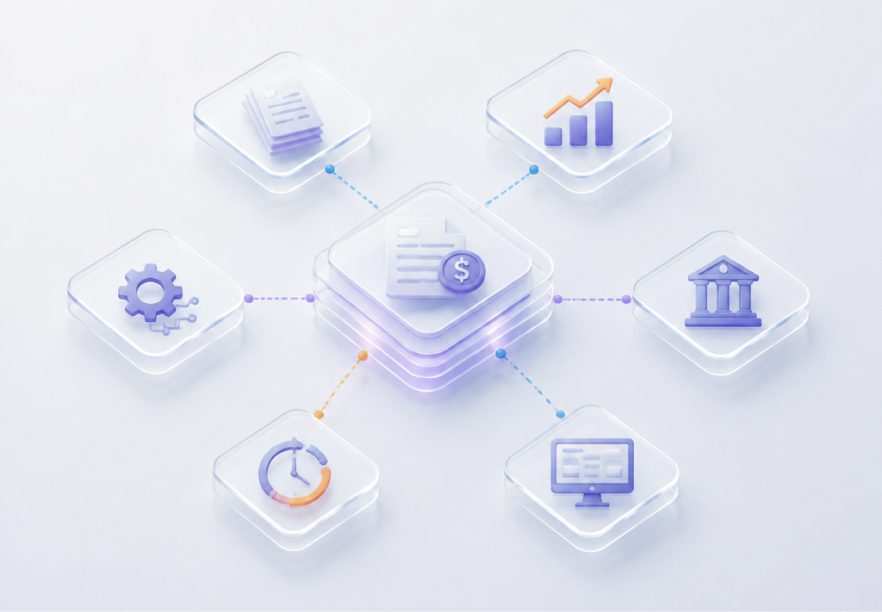

ERP Without the Last-Mile Gaps
AP exceptions, vendor onboarding, and quote-to-cash errors are the processes your ERP never fully covered. Learn how we automate the gap with AI-powered automation solutions that ship in weeks.
Stalled invoices, messy vendor records, and lost orders are a daily reality for mid-market teams. No ERP update fixes what the ERP was never designed to handle.
Two-thirds of organizations running AI have yet to move it out of pilot mode and into the workflows that drive revenue, cut costs, or free up teams from repetitive daily processing
Invoice exceptions, vendor data gaps, and approval delays are the daily reality for mid-market finance teams with partial or no AP automation, regardless of which ERP they run
Quote-to-cash errors, stuck invoices, and vendor data chaos may not show up in your ERP dashboard. But you can spot them in your margins, missed SLAs, and team overtime
Platforms, third-party tools, and data nobody connects are running your business right now. Our intelligent automation layer changes that, so workflows move without your team filling the gaps.
Manual invoices cost $6.30 vs. $1.45 automated, a real P&L impact at 10,000+ monthly. We deploy AI-powered AP automation in 6–8 weeks, integrated into your ERP and banking systems.
Learn More
Shopify, EDI, a 3PL, ERP software, and Salesforce each hold a separate piece of your operations. We build automation bridges that sync data in real time and cut manual effort out completely.
Learn More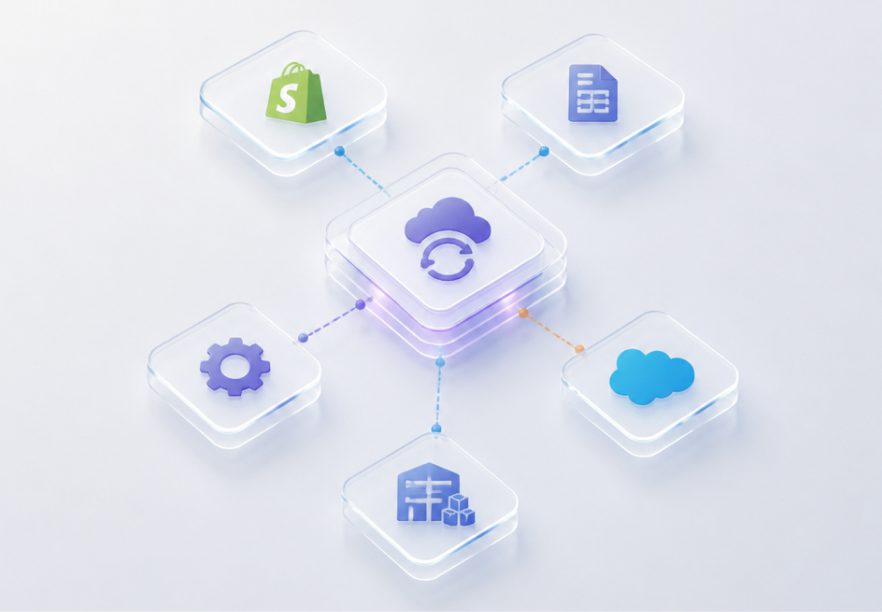
Are you buried in BOMs, contracts, claims, or compliance filings? LLM-powered document intelligence can read, extract data, classify it, and route everything into your systems automatically.
Learn More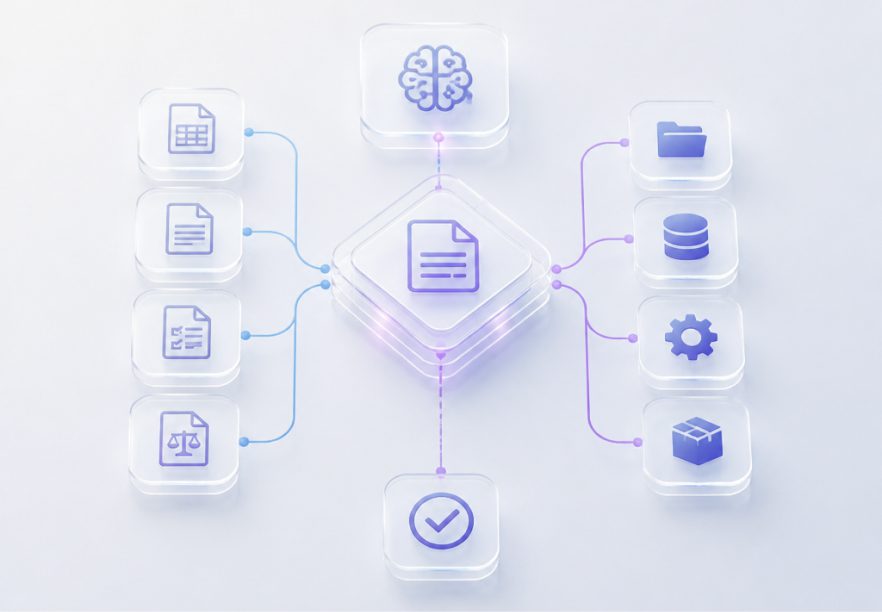
Sensor data from your floor, fleet, or facilities sits unwatched in dashboards. We integrate IoT feeds into your workflows, triggering automated alerts, maintenance, and production adjustments live.
Learn More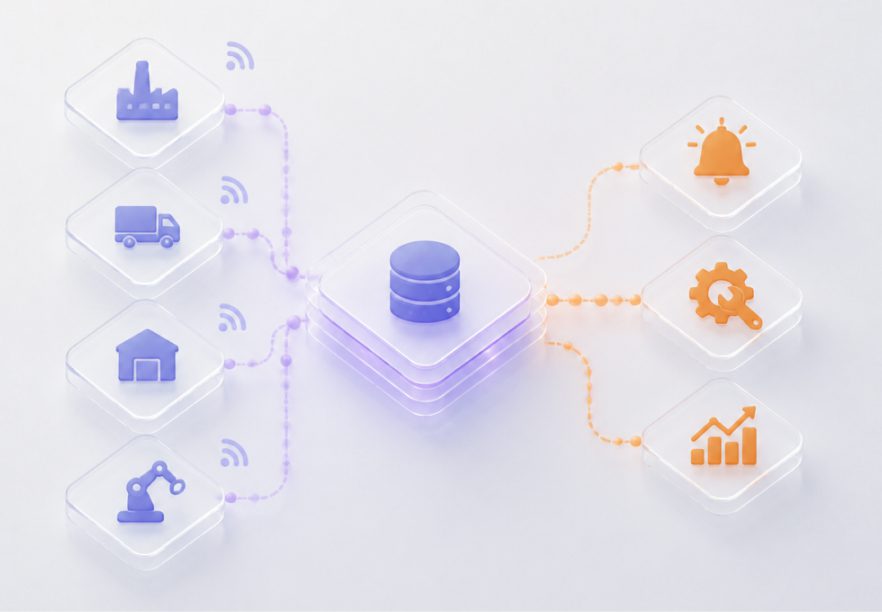
At 500+ monthly orders, exceptions multiply across systems. We build intelligent handlers that catch pricing errors, route approvals, flag credit holds, and compress your cash conversion cycle fast.
Learn More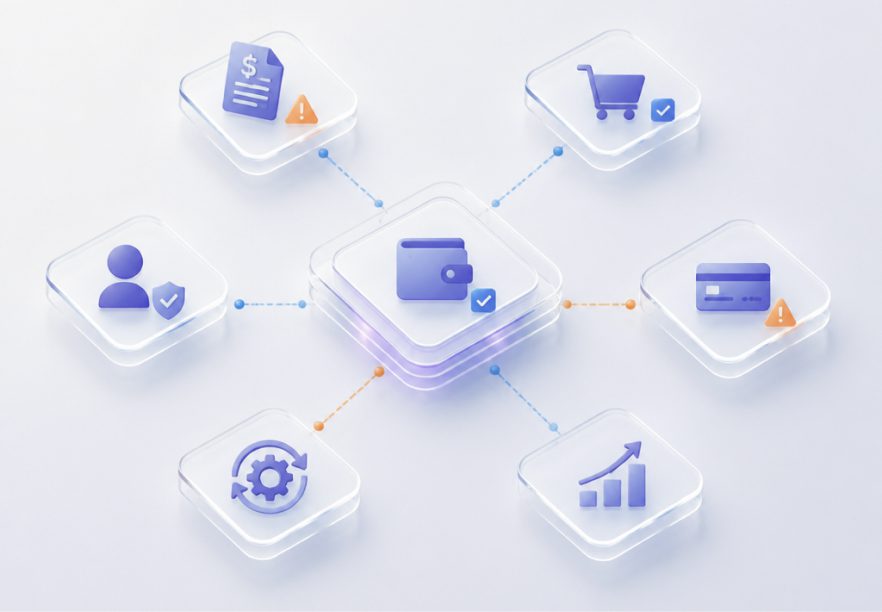
Orders get lost between your WMS and everything else. Automate receiving, pick-pack-ship, inventory reconciliation, returns, and stock sync across warehouses and 3PL partners.
Learn More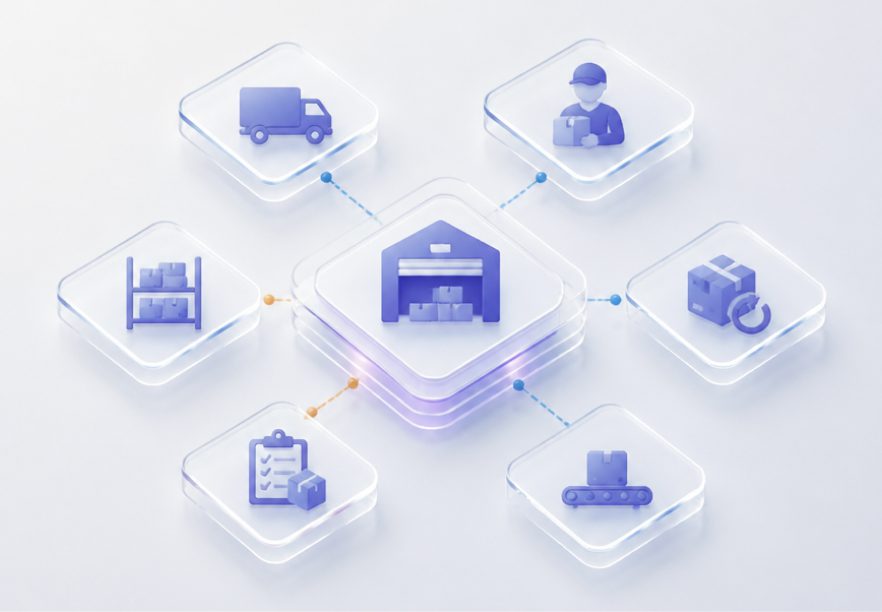
The vendor lifecycle is packed with manual gates: W-9s, certifications, and PO matching. Automate document verification and compliance monitoring across your ERP and vendor portals.
Learn More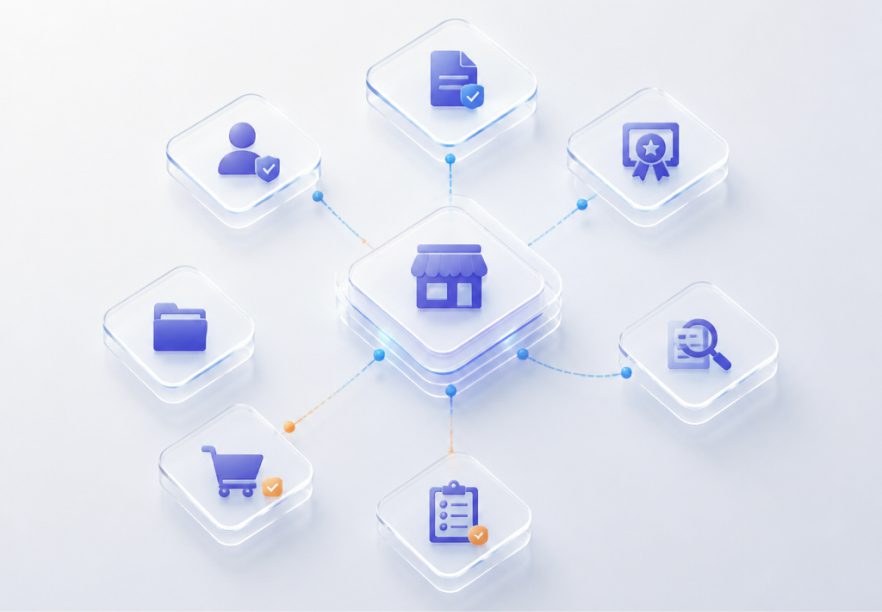
Customer inquiries, tickets, and order updates span CRM, ERP, and communication platforms. Get AI-powered agents that take on repetitive tasks, so your team handles only what needs a human.
Learn More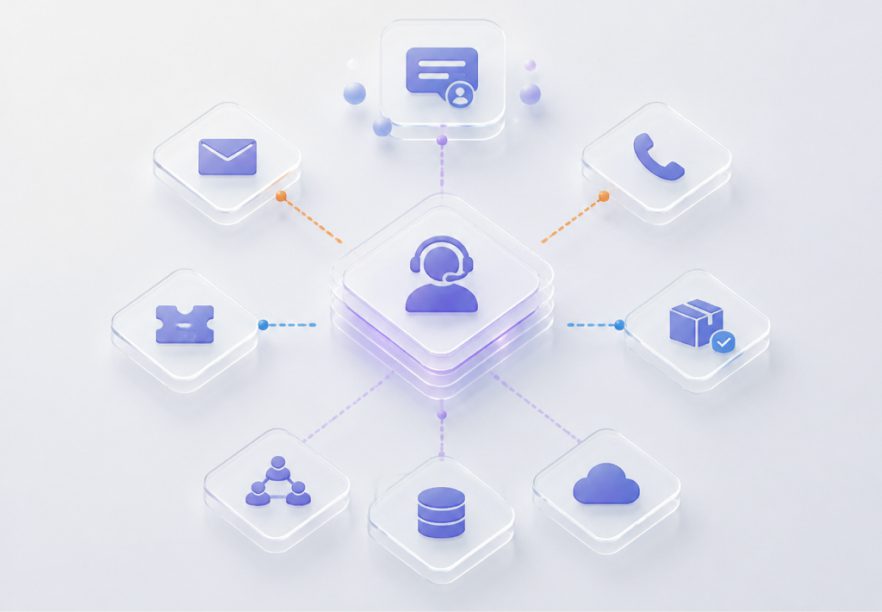
Compliance workflows consume disproportionate time across every industry. We automate data collection, report generation, audit trails, and real-time alerts for HIPAA, OSHA, FDA, SOC 2, etc.
Learn More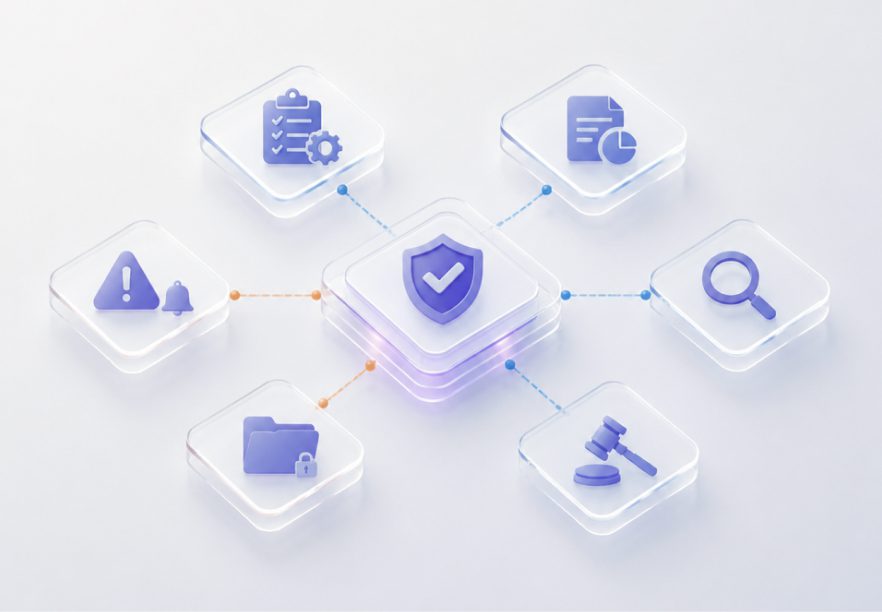
Orders coming in from multiple channels and fulfilled by 3PLs and drop-ship vendors lose coordination fast. Add orchestration layers to unify capture, intelligent routing, fulfillment, and exceptions.
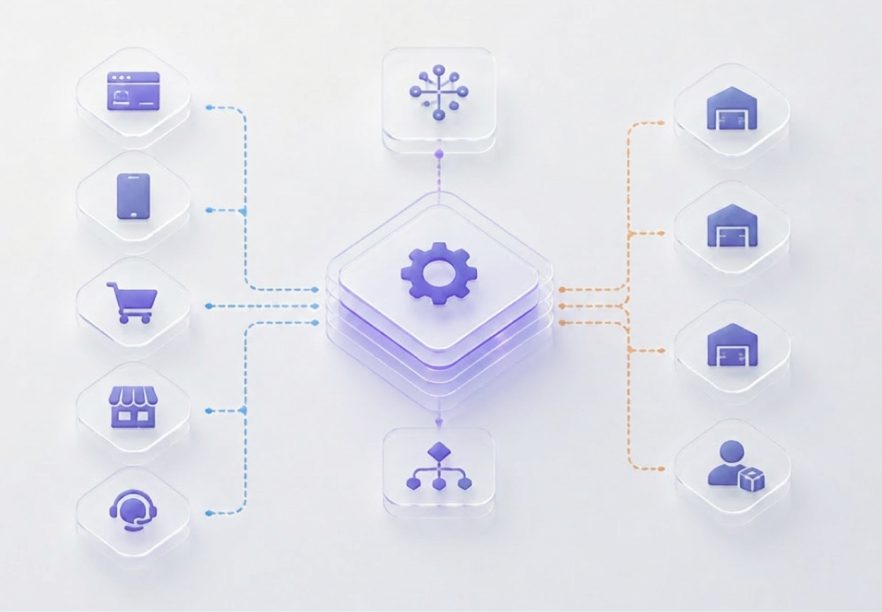
Business process automation can handle the work between your systems, so tabs and CSVs stop running your team's day.

Excellent experience from both professional expertise and customer experience perspectives.

Discover how we connect your platforms and replace manual workflows with our automation services. We work in the space between systems where businesses lose time daily.
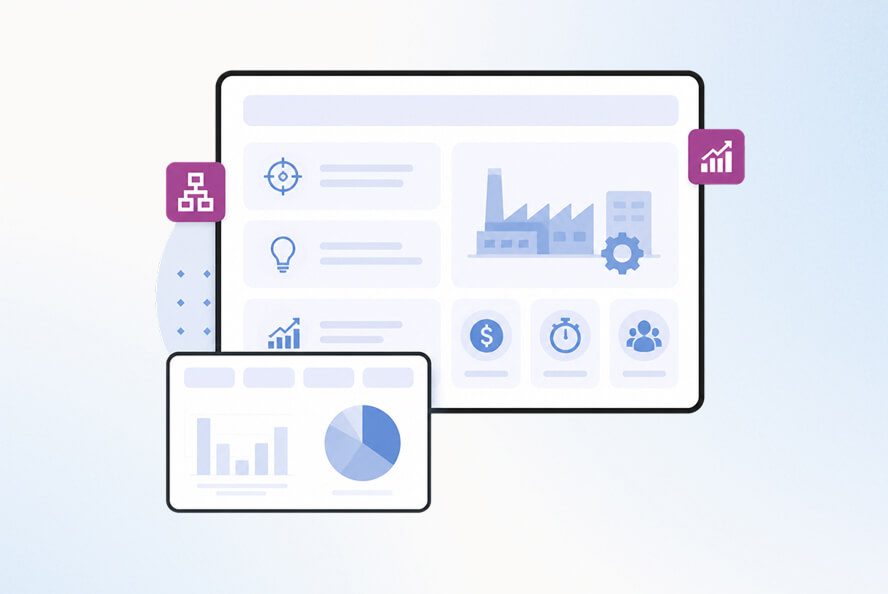
Replace spreadsheets with shop-floor-to-ERP integration, automated production scheduling, quality workflows, BOM control, and live OEE reporting. 60% of midsize manufacturers do that now.
Learn MoreYou can track batches and manage recipes, supplier certifications, and lot traceability across the supply chain. Automate FDA and FSMA reporting and stay expiration-date compliant.
Learn MoreWant to collect field data, monitor pipelines, manage vendors, and equipment maintenance scheduling across remote sites? IoT-to-ERP automation replaces manual data entry from field operations.
Learn MoreMove data between SCADA, GIS, CRM, and billing systems without manual intervention, and automate outage management workflow, customer service, and asset lifecycle management on top of it.
Learn MoreAdd subcontractor onboarding, permits, change orders, progress billing, safety compliance, and equipment tracking to your ERP. The gap between PM platforms and ERP is where money leaks daily.
Learn MoreAutomate 3PL coordination, multi-warehouse inventory sync, carrier onboarding, and freight documents (BOL, POD). We build the coordination layer between your warehouse and 3PL providers.
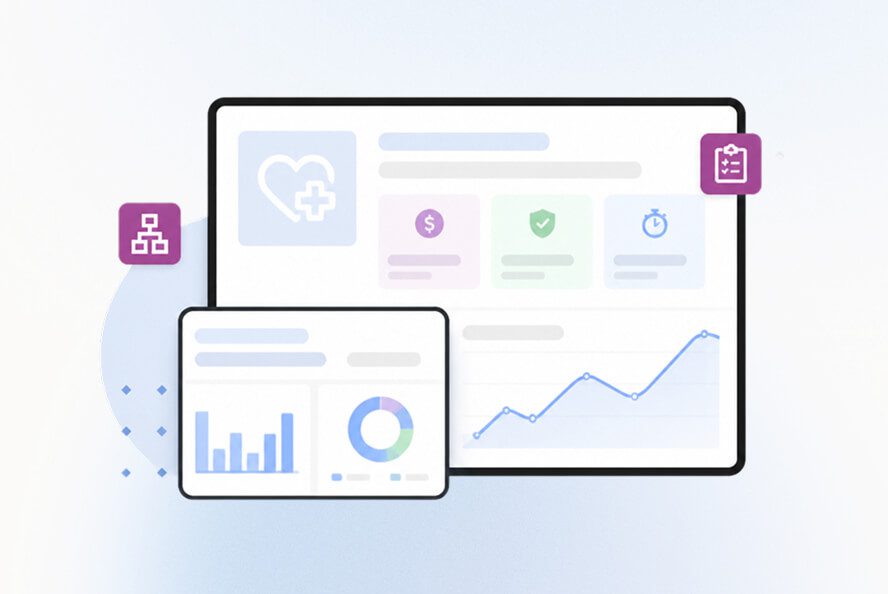
Learn MoreYou can automate patient access, insurance verification, prior authorization, claims, and denials management together with pharmacy workflows and compliance audit trails.
Learn MoreLogistics operations (carrier management, rate shopping, shipment tracking, proof-of-delivery processing) generate massive volumes of repetitive work that breaks at scale without automation.
Learn MoreConnect demand forecasting, dynamic pricing, omnichannel orders, returns, marketplace integration (Amazon, Shopify, Walmart), and inventory allocation across all channels and fulfillment centers.
Learn MoreWe automate coordination between platforms. Improve CRM-to-ERP synchronization, client onboarding, time-and-expense reconciliation, project-to-billing automation, contract management.
Learn MoreHandle clinical trial data management, regulatory submission workflows, batch record automation, supply chain serialization, and GxP-compliant document processing in no time.
Learn MoreIntegrate with banking systems, including nCino, Finastra, FIS, and Jack Henry, with full audit trail compliance. We cover regulatory reporting (BSA/AML, FDIC, OCC), loan document extraction, etc.
Learn MoreWork with a team that respects the regulatory frameworks your industry demands. Audit trails, access controls, and documentation are designed into every system from the start.
Move PHI workflows to automation without the compliance risk. We sign BAAs upfront, handle PHI under HIPAA Security and Privacy Rules, and run SOC 2 Type II-certified infrastructure with automated audit trails.
Pass OSHA, EPA, and ISO audits without rebuilding records from scratch. Automate safety documentation, emissions and waste reporting, quality audit support, and calibration tracking with non-conformance routing.
Stop rebuilding compliance records before every audit. Automate FSMA Preventive Controls, lot traceability from supplier to customer, HACCP critical control point monitoring, and 21 CFR Part 11 electronic records.
Stay examination-ready with automated BSA/AML transaction monitoring, fair lending documentation, OCC/FDIC audit trails, Reg B adverse action compliance, and regulatory reporting backed by complete data lineage.
Our automation consultants can help you identify where artificial intelligence and robotic process automation fit into your systems, turning automation strategy into cost savings.
When workflows demand Python, custom API integrations, or deep ERP connectivity, our engineers deliver what no-code platforms cannot support.
Work with a small, senior team that owns the engagement end-to-end, instead of a rotating bench of practitioners pulled from a staffing pool.
We combine automation expertise with custom software engineering and ERP integration depth, going past where pure-play automation firms stop.

| Aspect | Intelligent Automation | Custom Software Development |
|---|---|---|
| Best for |
Connecting existing systems
|
Unique products and proprietary platforms
|
| Timeline to value |
4–12 weeks (configure, integrate, deploy)
|
4–12 months (design, build, deploy, iterate)
|
| Typical investment |
$25K–$200K for a production deployment
|
$200K–$1M+ for an MVP+ maintenance
|
| Maintenance burden |
We maintain the automation layer
|
You get full ownership
|
| Risk profile |
Lower: scoped to specific workflows
|
Higher: scope creep, requirement changes
|
| When it breaks |
Failed workflow can be redeployed in hours
|
Fixes deployment through a release cycle
|
| Scalability |
Scales with workflow volume
|
Scales with engineering investment
|
| ROI visibility |
Immediate: hours saved, error rate reduced
|
Often unclear until post-launch adoption
|
Bring in our team to identify the right automation opportunities and turn each automation initiative into operational efficiency that lasts.
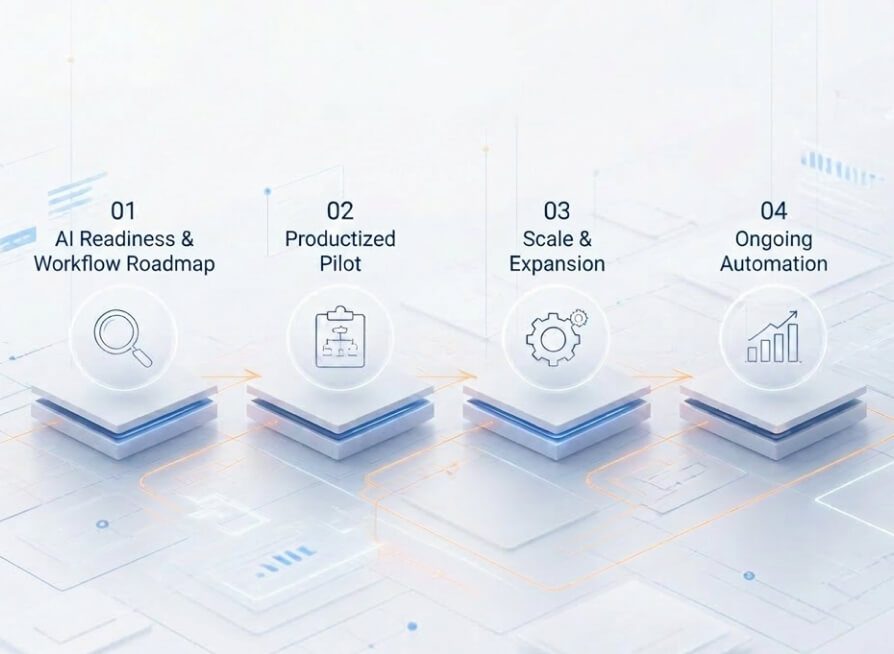
Start with two days of discovery, a tech inventory, 10-15 scored automation choices, a 12-month roadmap with quoted pilots.
Take one scoped problem to production, not a POC. See ROI in FTEs freed, cycle time cut, and dollars saved before you scale up.
Add new workflows, build a center of excellence with your team, and pay by complexity, with pricing aligned to your outcomes.
Hand off 24x7 monitoring, drift management, exception handling, and quarterly automation expansion.
We work with the tools already running in your environment. No tool loyalty, no rip-and-replace, and no forced migration tax on prior tech investments.
Start free, or commit to our 4-week assessment: roadmap, architecture, and pre-quoted pilots.

Excellent experience from both professional expertise and customer experience perspectives.

They’re truly exceptional.

Their punctuality and delivery capabilities were exactly as advertised.