
Project summary:
Glorium Technologies facilitated a two-stage development process, designing and investigating the product from a business perspective before developing the technical solution—an MVP web app.
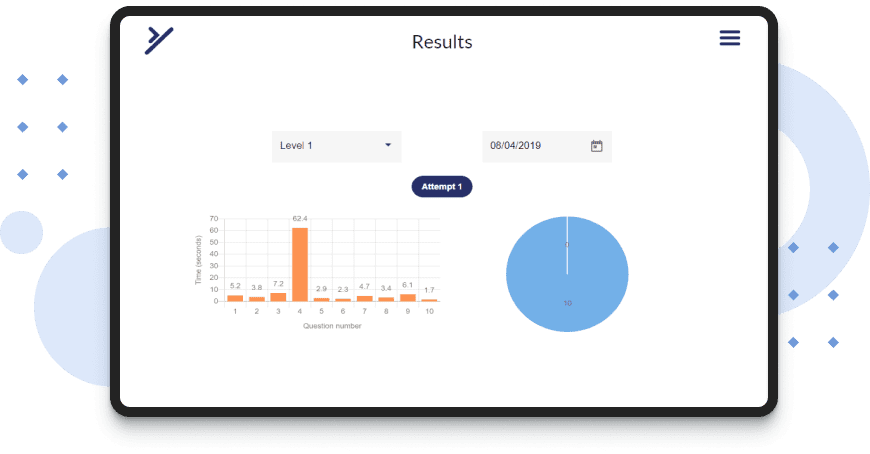
MCI (mild cognitive impairment) and signs of early dementia are hard to detect; however, studies show that playing the piano has the ability to highlight even the slightest cognitive abnormalities.
Playing the piano involves multiple sensory processing, comprehension, quasi-simultaneous decision-making, and action execution. In short, it is a sure-fire way to analyze and evaluate brain functions and train minds. In order to test and prevent cognitive disorders, our client (a musician) came up with the idea of building a piano emulator from scratch.
In order to build a piano emulator app that could detect and calculate the probability of developing cognitive abnormalities associated with MCI and early-stage dementia, the emulator had to be:
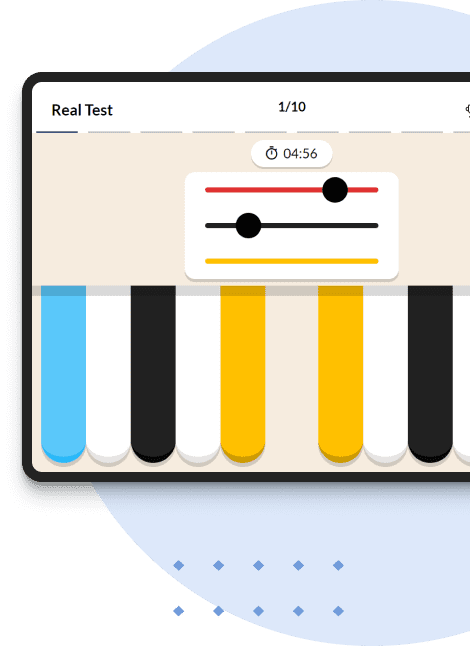
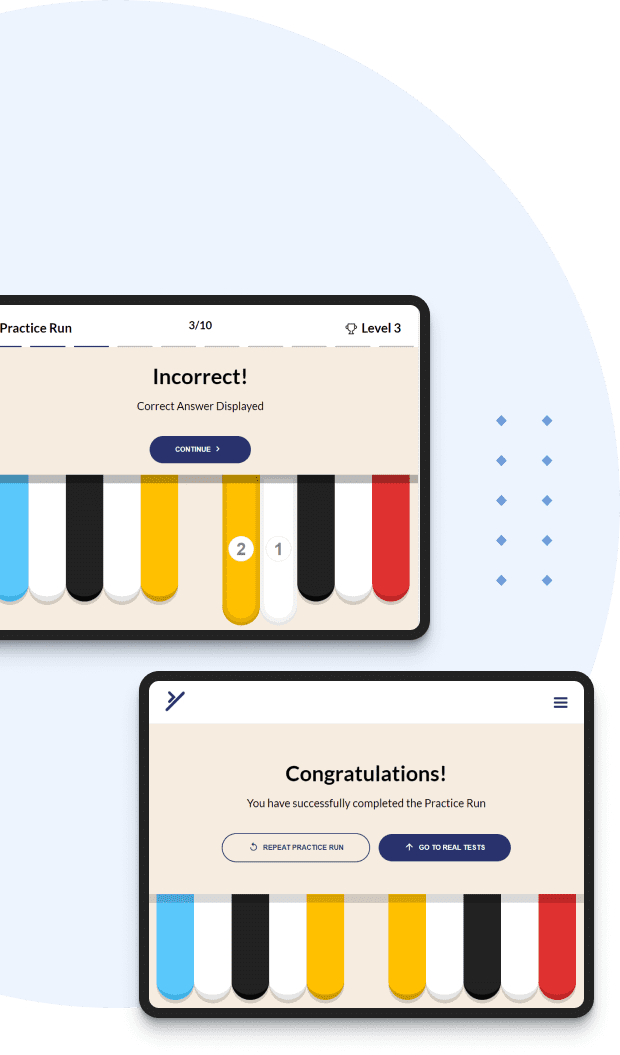

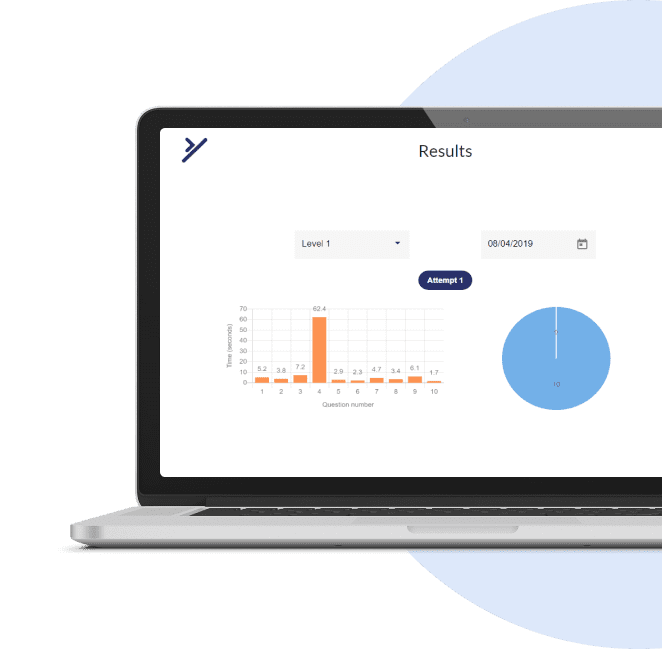
This app evaluates executive functions, such as inhibition control, attention, multisensory memories, and various brain-region activities.
In this way, the software acts as a dementia prevention tool, contributing to remote care for cognitive monitoring. As for now, our client is looking for opportunities to collaborate with Philips as their headsets could enhance app performance and function.
This software is expected to launch as a medical device in the EU at any moment.
Project summary:
Glorium Technologies facilitated a two-stage development process, designing and investigating the product from a business perspective before developing the technical solution—an MVP web app.
Feedback summary:
Detailed planning has enabled a relatively painless transition from an MVP to a final product. Committed to timelines and responsive to requests. Glorium Technologies delivered on initial goals and specifications. Their ability to incorporate changes without sacrificing productivity was notable.
 Yayoi SakakiCEO, Project Ipsilon B.V.