










Custom Healthcare Mobile App Development Company

Why Mobile App Development Matters for Your Business


Move Forward with the Right Healthcare Mobile App Development Services

Reduce Outpatient Wait Times by 25+ Days
- Raise patient satisfaction
- Keep physician burnout at bay
- Improve patient access by up to 80%

Why Healthcare Mobile App Development Matters for Your Business

- Book appointments faster
- Reach care teams easily
- Manage care on the go

- Sync patient touchpoints
- Reduce manual handoffs
- Support follow-up workflows

- Simplify daily clinician tasks
- Automate routine processes
- Speed up care coordination

- Protect sensitive health data
- Manage access clearly
- Support compliance requirements

- Send timely reminders
- Personalize health tracking
- Keep patients involved

- Add features faster
- Scale without rebuilding
- Support AI and RPM
The Difference Glorium Technologies Makes
 No More
 Get InsteadGeneric app featuresWorkflows built around your usersDisconnected patient dataSmooth EHR integrationsCompliance guessworkHIPAA-aware developmentSlow release cyclesClear managed deliveryPoor patient adoptionUser-friendly mobile experiencesPost-launch instabilityOngoing support and monitoring
Proven Track Record in Healthcare Mobile App Development



Tech Stack Behind Next-Generation Healthcare Mobile Apps
















What our clients say about us







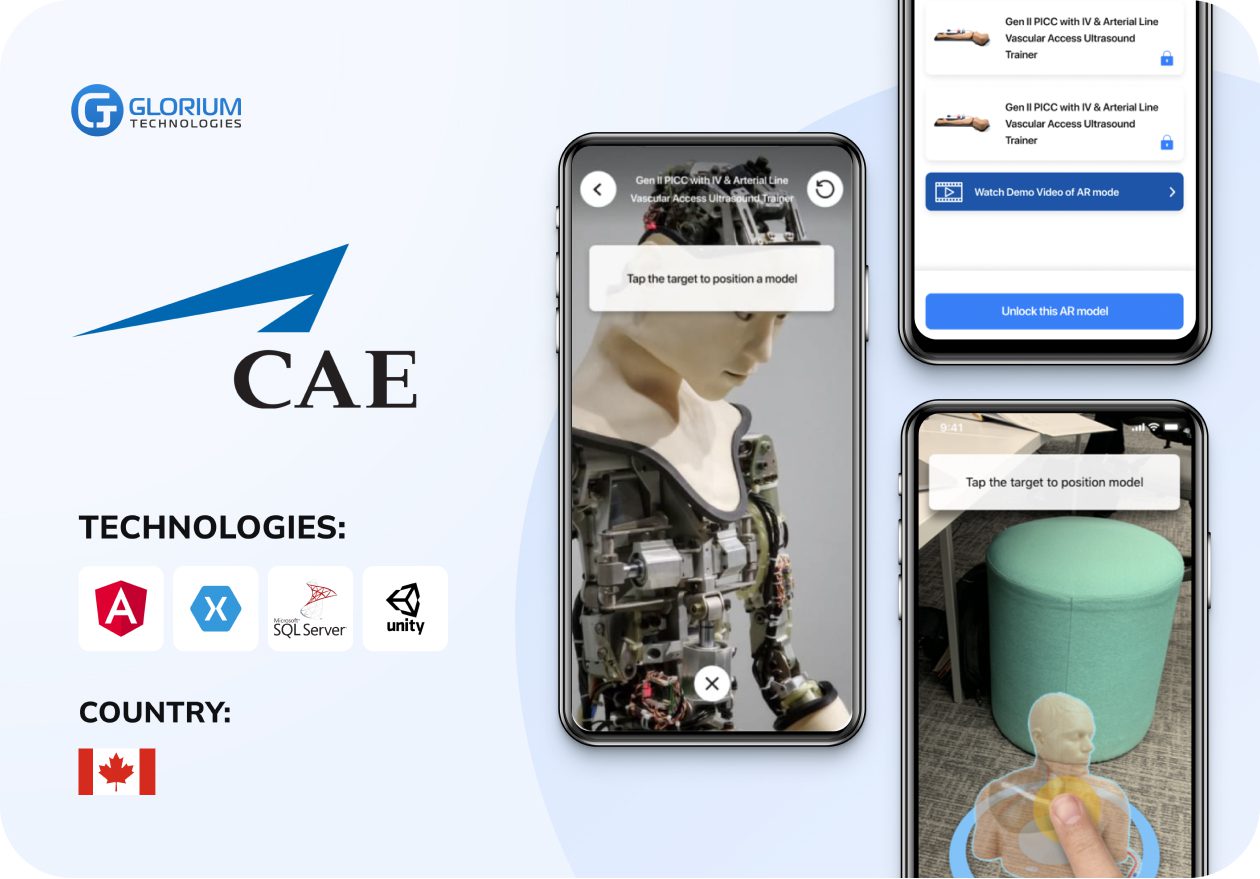
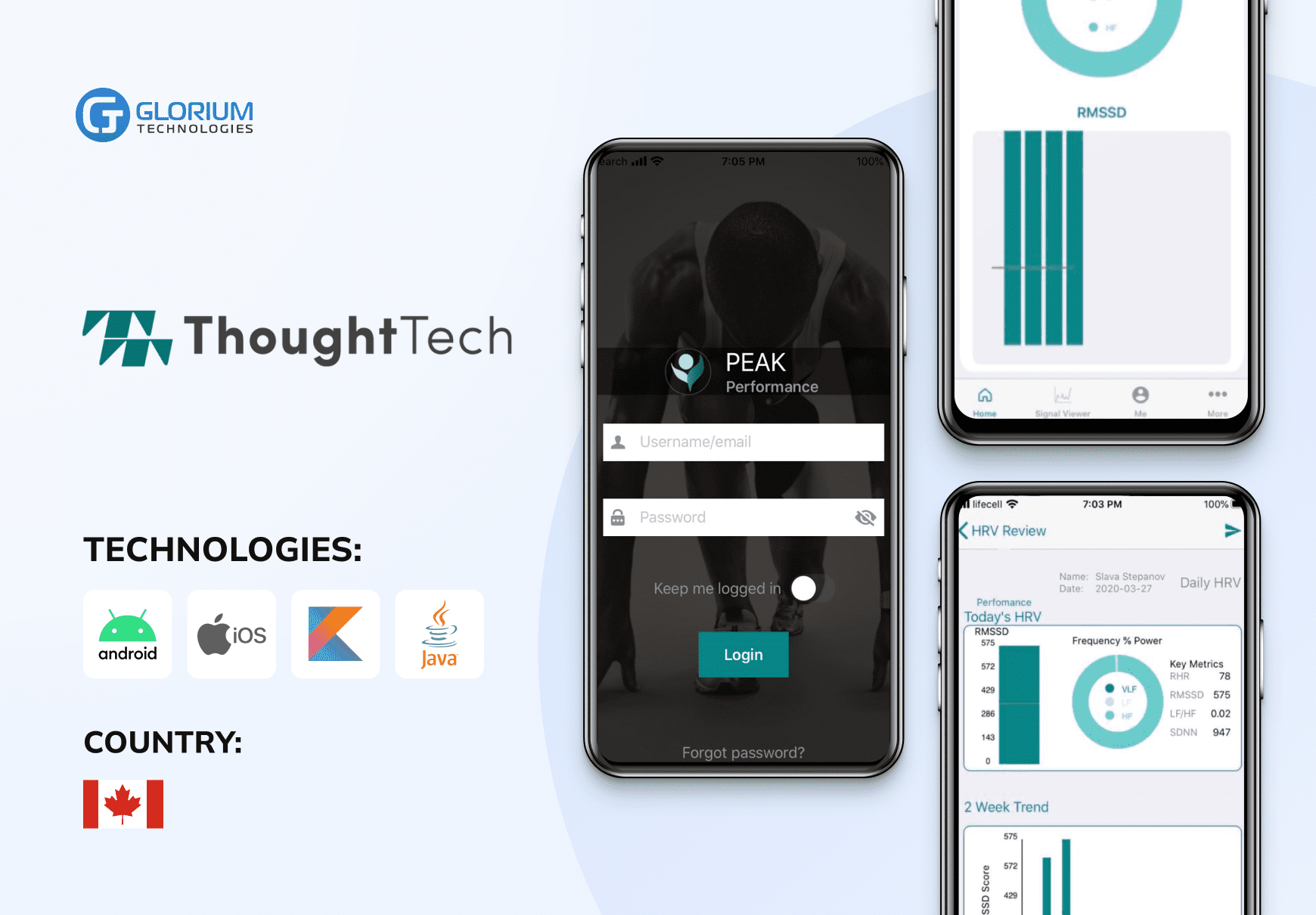
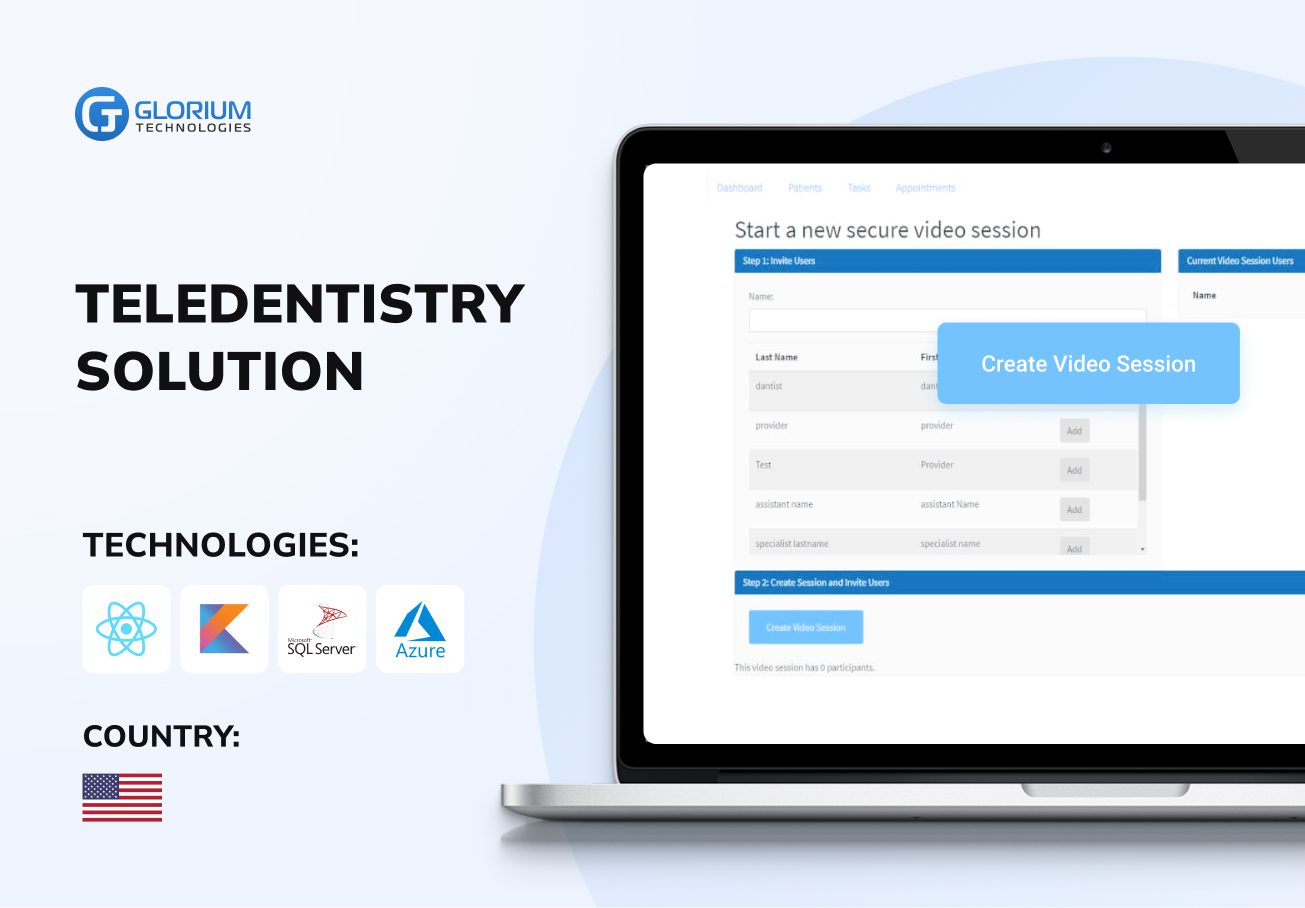
Success Stories





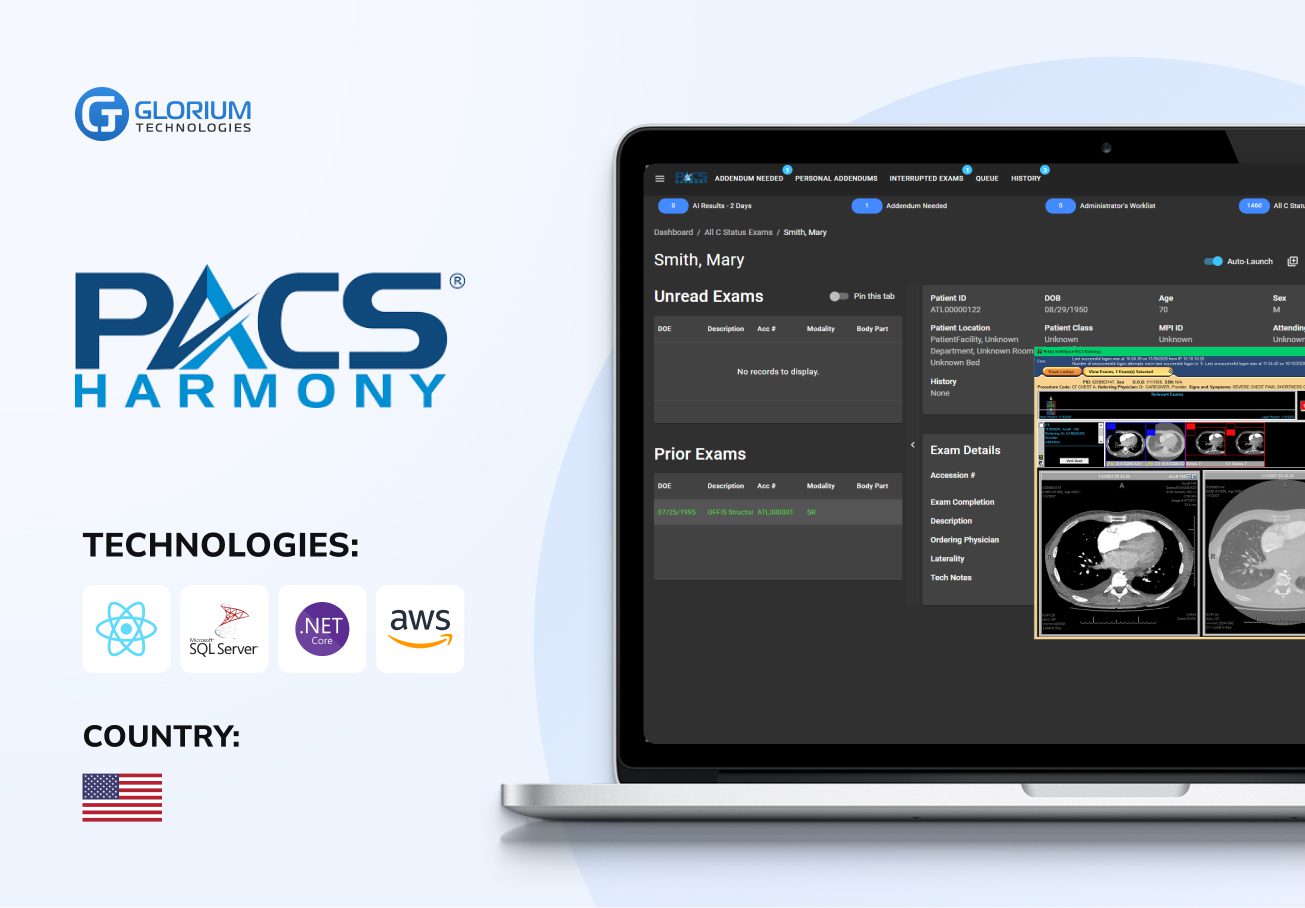





Who we are
About usGlorium Technologies is a full-cycle app & software development company which covers specific client business needs and manage them with the help of the best possible technology solutions.
Since 2010, we have been inventing digital breakthroughs, helping startups and businesses come out on top in their markets.

Why choose us



Certifications




Let's Connect!



FAQs
How long does it take to build a healthcare mobile app?
It really comes down to scope. A telemedicine MVP can ship in three to four months, while a full remote patient monitoring platform with EHR integration, medical devices, and personal health records sits closer to six or nine. Most healthcare mobile app development projects land somewhere inside that range. What pushes the timeline up or down is your healthcare app vision, the target audience you’re aiming at, the essential features list, the regulatory compliance work involved, and how deep the integration with existing healthcare systems needs to go.
What compliance standards do healthcare apps need to meet?
The answer shifts depending on where in the healthcare industry your app gets sold and which markets you’re entering. In the US, the Health Insurance Portability and Accountability Act and HITECH apply the moment your app touches protected patient data. In the EU, GDPR takes over. Some medical apps also fall under software-as-a-medical-device (SaMD), which puts them under FDA SaMD rules in the US or MDR rules in the EU.
Can Glorium Technologies integrate apps with our existing EHR system?
Yes, this is one of the things we do most often. Glorium Technologies integrates healthcare mobile apps with Epic, Cerner, Athenahealth, eClinicalWorks, and other electronic health records using HL7, FHIR, and proprietary EHR APIs. Integration usually covers patient demographics, medical records, electronic medical records, lab results, scheduling, billing, clinical notes, and treatment plans. SMART on FHIR is supported too for embedded clinical workflows, along with connections to hospital management software, web app platforms, and the rest of your healthcare systems.
How does Glorium Technologies protect patient data and patient health records?
Patient data protection has to live inside the architecture, not on top of it, and that thinking carries through every layer of healthcare app development we deliver. Encrypted storage and transport, role-based access, audit logging, anonymization where it fits, plus continuous security testing, all sit on the standard list. Glorium Technologies holds ISO 27001, ISO 13485, and SOC 2 certifications, and our development practices line up with HIPAA across the full product lifecycle. Your patient health data, medical records, and personal health records stay protected throughout.
What's the difference between medical mobile app development and standard mobile app development?
A handful of things separate medical mobile app development and mobile health app development from generic builds. Compliance is a big one, with healthcare regulations like HIPAA, GDPR, HITECH, and sometimes FDA or MDR rules tied directly to the product. Integration is another, since EHRs, wearables, medical devices, pharmacy systems, and other healthcare software all have to communicate cleanly. Then there’s clinical credibility: accessible design, evidence-backed content, and workflows built to support healthcare professionals during real care moments. That mix is why most healthcare organizations bring in experienced healthcare app developers instead of going with generalist app development companies.
Does Glorium Technologies provide cross-platform healthcare app development?
Yes. Glorium Technologies handles healthcare mobile application development across iOS, Android, and cross-platform delivery using React Native and Flutter. Native is usually the better choice for mobile medical app projects that lean hard on HealthKit, Health Connect, device hardware, or heavy performance demands. Cross-platform development tends to win when healthcare providers want quicker delivery, shared code, and cost savings across devices. If your care teams also need desktop access, the product can extend into a connected web app without rebuilding from scratch.
Can Glorium Technologies integrate wearable devices and IoT for remote patient monitoring?
Yes. Glorium Technologies builds remote patient monitoring solutions that pull health data from Apple Watch, Fitbit, Garmin, glucose monitors, blood pressure cuffs, and proprietary medical devices. From there, data feeds into care team dashboards with alerts, threshold rules, and trend analysis. These integrations help healthcare facilities support chronic disease management, post-surgical follow-up, elderly care, and a more proactive style of patient care overall.
How much does healthcare app development cost?
Healthcare app development costs hinge on a handful of factors: product scope, integrations, compliance needs, target audience, and how many platforms you need on day one. A straightforward mobile app for patient engagement is going to run much lower than a full healthcare application with EHR implementation, remote patient monitoring, AI features, and admin dashboards.
How should we start if we only have a healthcare app idea?
Start with discovery and market research. Before you actually develop healthcare apps, the smart move is to conduct market research, define the target audience, map clinical workflows, validate essential features, and pin down exactly how the app will improve patient outcomes or operational efficiency. Glorium Technologies takes a healthcare app idea and turns it into a clear product scope, a technical architecture, and a delivery plan. That work gives your team a much stronger base before committing to full custom healthcare app development.
Do you offer ongoing maintenance and support after launch?
Yes, and most clients keep us on for it. Healthcare applications need active support to stay current with OS updates, security patches, shifting healthcare regulations, and user feedback. Glorium Technologies offers maintenance plans that cover monitoring, bug fixes, performance tuning, security patching, feature work, and support for any new integrations. Plenty of healthcare providers and digital health companies stay with us long-term so their successful healthcare apps stay stable, secure, and ready for whatever innovative solutions come next.
Can one healthcare app support patients, doctors, and admin teams?
Yes, and in many cases, it should. A good healthcare app is rarely just a patient-facing mobile app. Patients may need booking, reminders, secure messages, access to treatment plans, and simple ways to track their care. Doctors and other medical professionals may need quick access to medical records, notes, alerts, and recent patient health data. Admin teams may need a web app, reports, scheduling tools, or a connection with hospital management software.
For healthcare providers, this can make daily work less fragmented. Instead of using separate tools for patient care, internal tasks, and follow-ups, the team works inside one connected product. Glorium Technologies plans these roles early in the software development process, then builds the mobile medical app, web app, integrations, and security measures around real healthcare services, clinical workflows, and long-term patient outcomes.