











Business Process Management Consulting

Business Process Optimization Benefits Worth Your Investment


Business Process Management Services Built for Digital-Era Workflows









What Our Business Process Consultants Can Help You With

Business Process Consulting That Pays for Itself Twice
- Less manual work, more automation
- Stronger compliance and audit trails
- Faster ROI on every platform you fund

Explore Automation Solutions with Our Business Process Consultants


What Business Process Improvement Means for Your Team



Where Business Workflow Management Delivers the Biggest Returns

What our clients say about us







Success Stories











Who we are
About usGlorium Technologies is a full-cycle app & software development company which covers specific client business needs and manage them with the help of the best possible technology solutions.
Since 2010, we have been inventing digital breakthroughs, helping startups and businesses come out on top in their markets.

Why choose us



Certifications




Let's Connect!



FAQs
What specific problems does BPM help solve?
Most companies come to BPM dealing with the same cluster of issues. It can be manual approval chains that stall decisions or siloed data that forces double entry across departments. Businesses often face compliance risks from undocumented or inconsistently followed procedures and legacy systems that do not talk to each other. You may also be trying to scale headcount without adding proportional overhead, which process automation directly supports.
Why does BPM consulting investment vary from one company to another?
There is no flat rate for consulting on business process management, because no two engagements have the same scope. It’s one thing if you want to improve a single approval workflow, for example, and it’s a different story if you aim to redesign processes across an entire organization. That’s why it can be more insightful to discover what shapes the scope of the work.
What drives the scope (and the cost):
- Engagement depth: A focused process-discovery assessment is a contained effort. A full program covering redesign, automation, and governance is a larger, phased investment that grows with your ambitions
- Number and complexity of processes: How many workflows you bring into scope matters, especially when they involve exceptions, multi-step approvals, or cross-department handoffs that add coordination overhead
- Systems and integrations: The more platforms your processes touch (ERP, CRM, legacy apps), the more integration work you should expect
- Technology involved: RPA, intelligent automation, and process-mining tools each carry their own licensing and build requirements
- Organizational scale: The number of teams and users affected by the changes influences how much change-management support you will need to get people working in new ways
- Ongoing vs. one-time: A fixed-scope assessment has a defined endpoint. Continuous advisory and process governance is a longer relationship with different pricing considerations
These variables will be specific to your organization. Therefore, we’ll have to scope our engagement around your actual processes. You can start with a short discovery assessment to define priorities before making any larger commitment.
How do you decide which processes to optimize first when we have so many business challenges?
We start with process mapping across your current processes, then quantify cost, cycle time, and error rates for each one. From there, our well-versed experts identify bottlenecks, look at where operational inefficiencies hit hardest, and rank growth opportunities based on impact and effort. You walk away with a fresh perspective and a prioritized roadmap that focuses your investment on the workflows where measurable results land first, not on whichever issue feels loudest in the room that week.
What's the difference between business process automation and workflow automation? Do we need both?
Business process automation covers the end-to-end flow across departments, including approvals, exceptions, and audit trails. Workflow automation usually handles a tighter slice of repetitive manual tasks inside a team or system. Most clients we work with need a blend of the two, depending on which complex processes you’re trying to fix and where your existing processes are slowing the business down. We analyze different aspects and help you decide which approach fits each specific business case.
How does AI fit into a modern BPM solution?
Artificial intelligence has moved from buzzword to practical tool in the BPM space. Intelligent document processing allows you to say bye to reading contracts, invoices, and forms. AI supports decision-making, exception handling, and pattern recognition across operations. When you combine it with a low-code platform, your team can automate workflows that used to require custom software development, giving you faster iteration and stronger digital capabilities without doubling your IT backlog.
Can BPM consulting work for a government agency with strict compliance rules?
Absolutely. Glorium Technologies teams up with government agencies and regulated enterprises where regulatory compliance, case management, and process documentation are non-negotiable. With process orchestration platforms, you can see the full audit trail and version control for every step. The goal is always the same, whether you’re modernizing government services or tightening data management in human resources: make things run more smoothly without losing the controls that your auditors and citizens expect from your business operations.
How do you make sure improved processes actually stick after your engagement ends?
Change management runs alongside every redesign. We document each process, train the people who manage tasks day to day, and set up continuous improvement reviews so process changes don’t drift back to old habits. You also get a governance structure that gives you ongoing process visibility, allowing users across the business to flag what’s working and what needs another pass.
We're a global provider midway through digital transformation. How does BPM fit into what we're already doing?
Companies often stop their digital transformation when they spend money on platforms before fixing their business model and workflows. We help your software developers home in on what’s important and align process management with your transformation goals. As a result, your workflows are more efficient, your operations run more smoothly, and it’s easier to see how your strategy decks connect to the work your teams do every day.
How do we know your consultants will deliver what they promise?
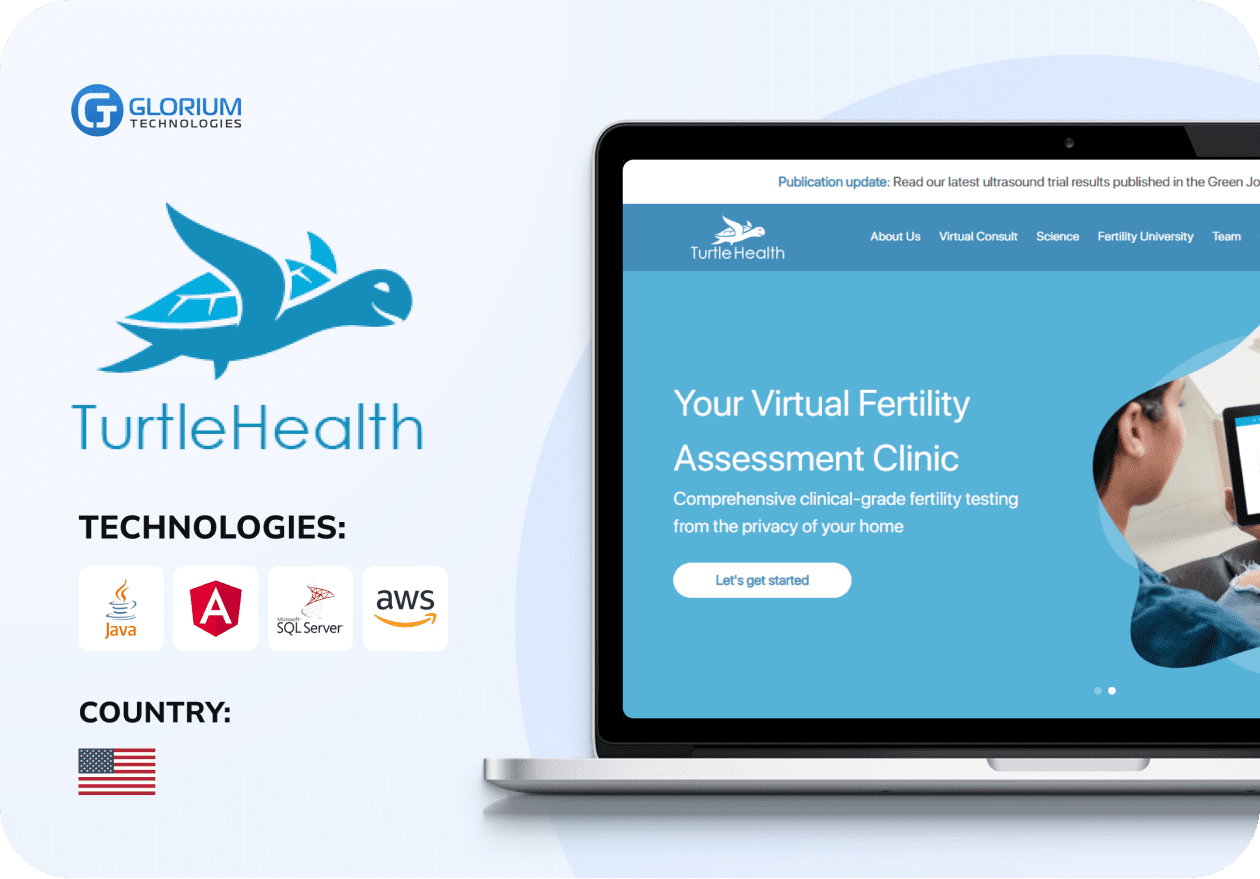
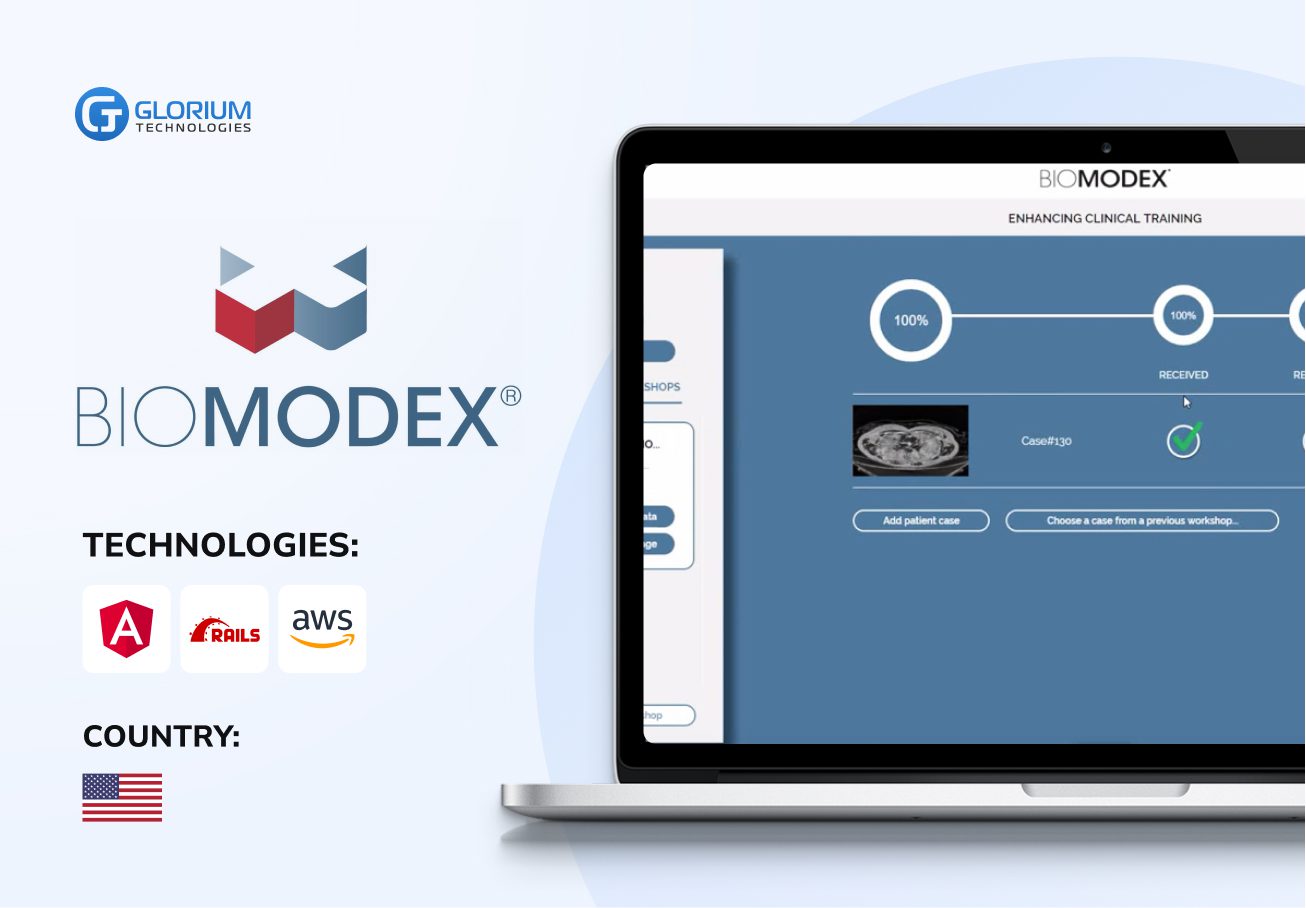
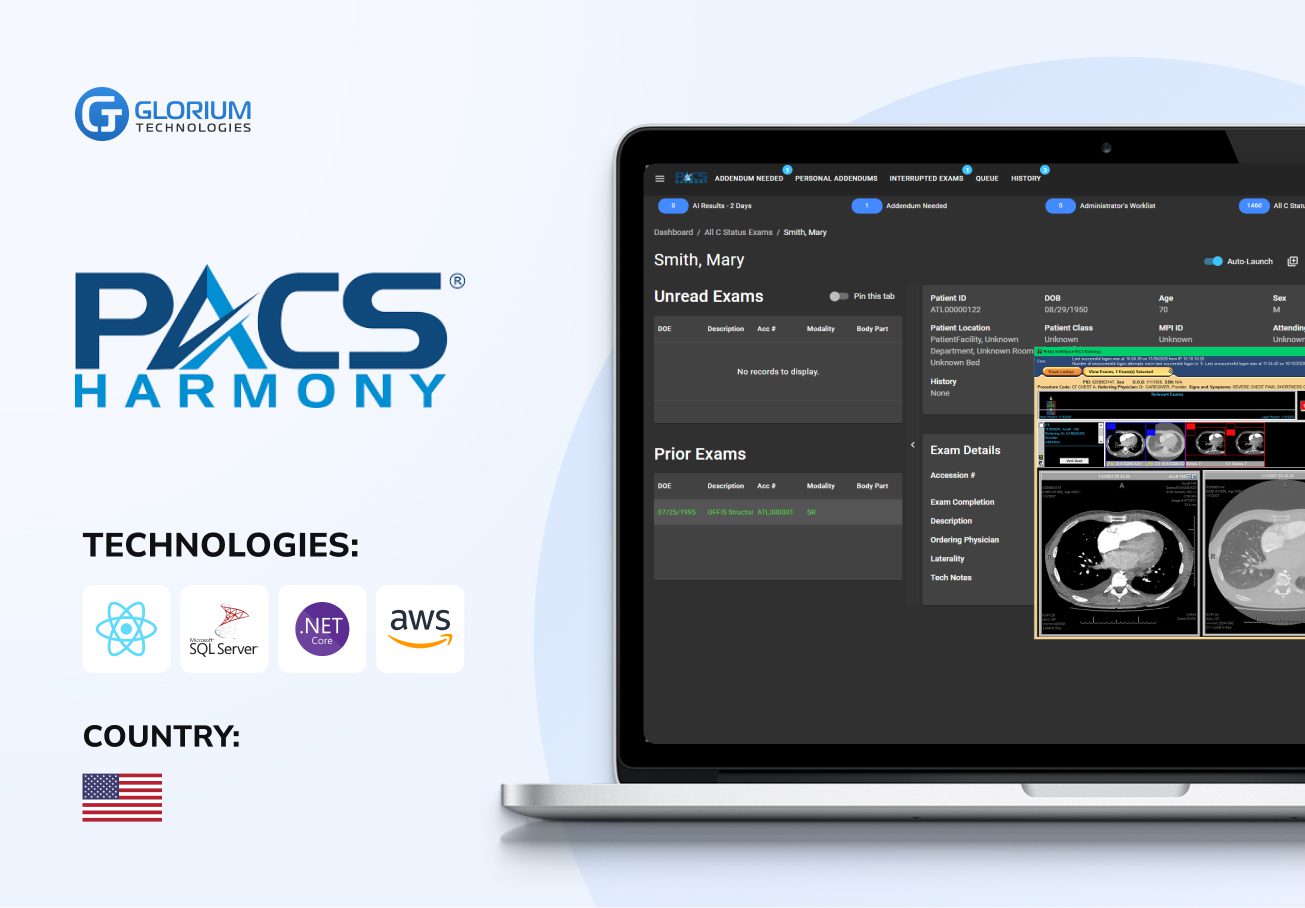
Check out our case studies. You can see that we have extensive experience with different types of process work, for example, making healthcare operations more efficient. We know a lot about the industry standards in regulated and high-growth niches, because we do know that our clients judge us on whether we solve problems and find new ways to grow. Strong interpersonal skills matter too, because BPM is as much about people as it is about systems.
Can BPM consulting really help us scale without adding more headcount?
Yes, and that’s exactly why most clients bring us in. When you streamline processes through smart automation, your existing team handles more volume without burning out. We help you set up data collection across systems, automate document generation for contracts and reports, and build dashboards that enable users at every level to see what’s happening in real time. The result is a setup that enables businesses to grow revenue without growing the org chart proportionally.
How do you make sure the new system actually works for our compliance and audit needs?
We design every process with controls baked in, so you ensure compliance from day one rather than bolting it on later. That means clear ownership, full audit trails, version-controlled documentation, and exception handling that flags issues before they become findings. Your software developers and operations teams stay on the same page about the important standards, whether you’re working with internal auditors or outside regulators. There’s no guesswork about where each control is.