








Remote Patient Monitoring Software Development

Care Gaps a Remote Patient Monitoring System Helps Close

Remote Patient Monitoring for Every Care Setting

Better Patient Outcomes Through Continuous Monitoring
- Up to 76% decrease in hospital readmissions
- Up to 44% fewer emergency room visits
- Up to 73% increase in patient engagement

Custom Remote Patient Monitoring Solutions







Core Features of a Remote Patient Monitoring Platform
- Vitals tracking
- Health metrics logging
- Medication monitoring
- EHR integration
- Patient vitals history
- Anomalies detection
- Symptom patterns
- Report generation
- New patient onboarding
- Patient support chatbots
- Virtual consultations
- Symptom logging
- Specialist time logs
- CTP coding
- Reimbursement estimates
- Automated billing reports
- Patient data access
- Automated reminders
- Custom alerts
- Threshold notifications
- Consent management
- Data encryption
- Access control
- Multi-factor authentication
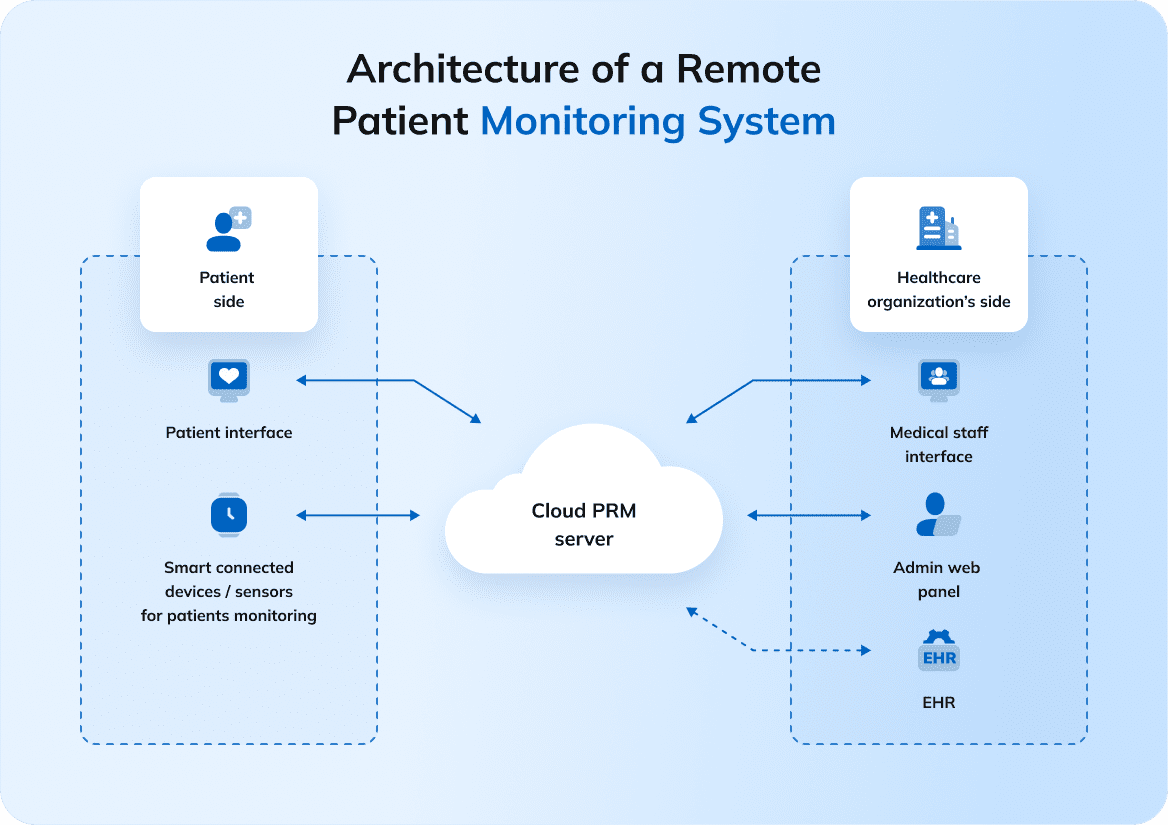
Integrate RPM with EHRs, Devices, and Telehealth Tools


Traditional Monitoring vs. Remote Patient Monitoring
 Traditional Monitoring
  Remote Patient MonitoringCare is limited to clinic visits Care continues at home and on the goPatient data collection is limited Real-time patient vitals captured 24/7Delayed detection of health issues Early alerts enable timely interventionsReactive treatment after problems escalate Proactive care to prevent complicationsHigh paperwork and manual processesAutomated data collection and analysis
See the Difference RPM Makes in Practice
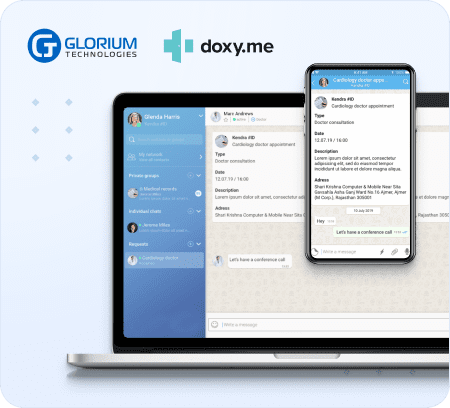
- Ensuring advanced security and compliance
- Integrating multiple apps and systems
- Designing a user-friendly mobile interface
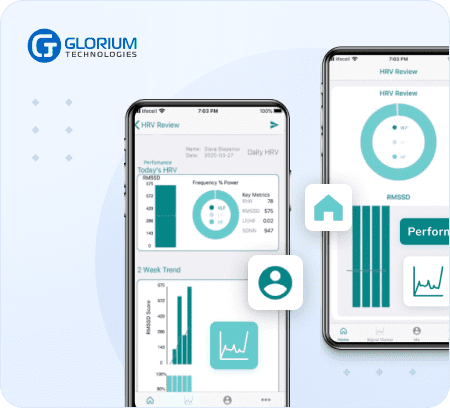
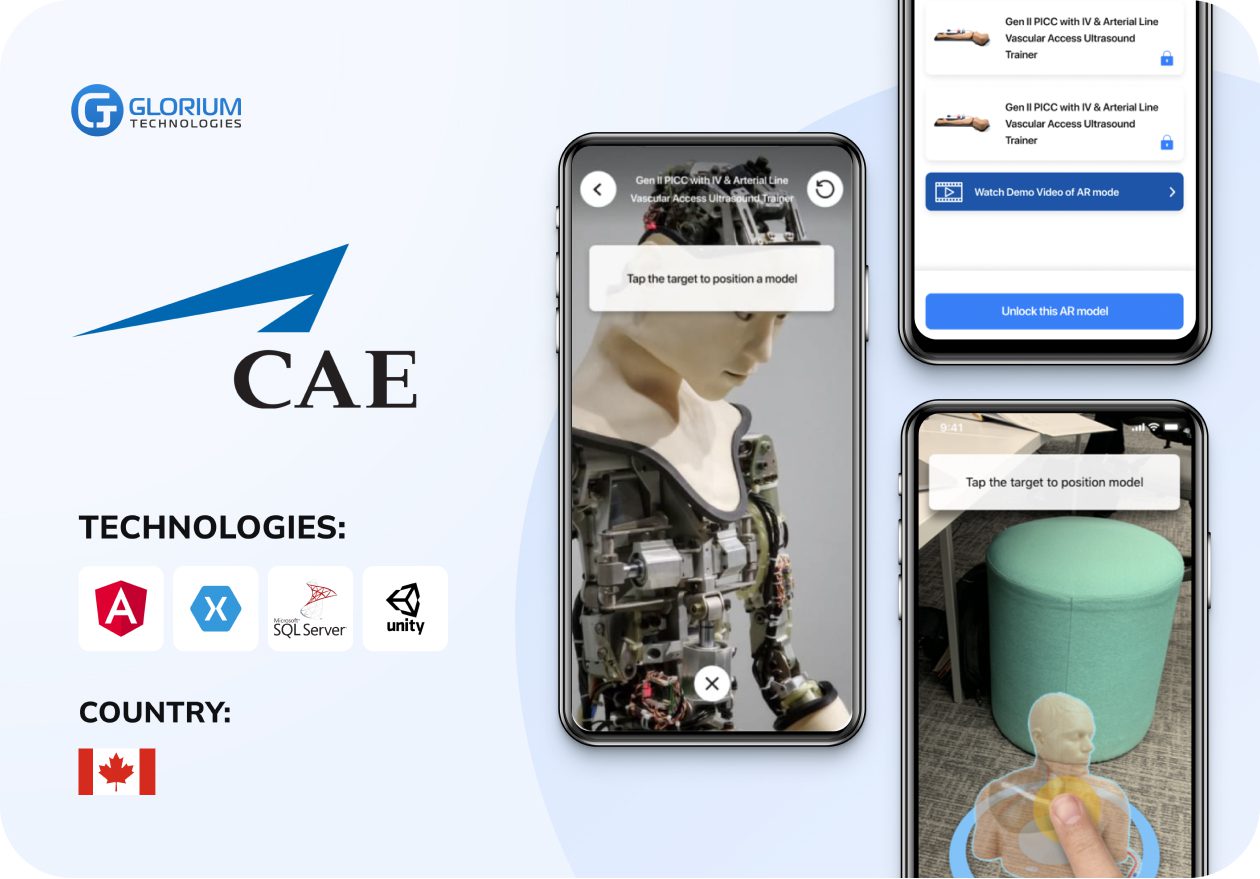
- Intuitive 3D interface improved usability
- Seamless AiPOD system integration achieved
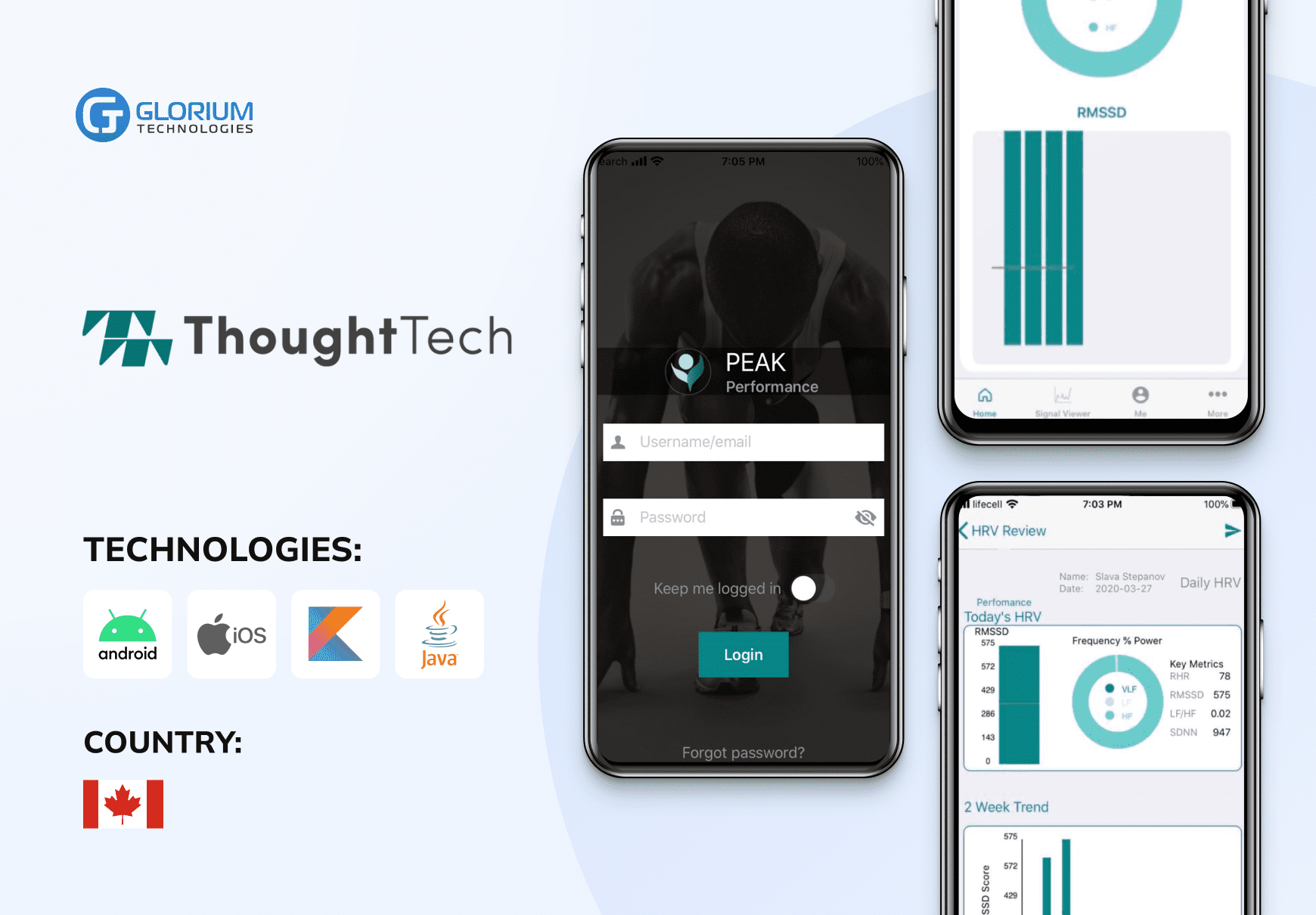
- Personalized monitoring enhances health management
- Ensuring HIPAA and HITECH compliance
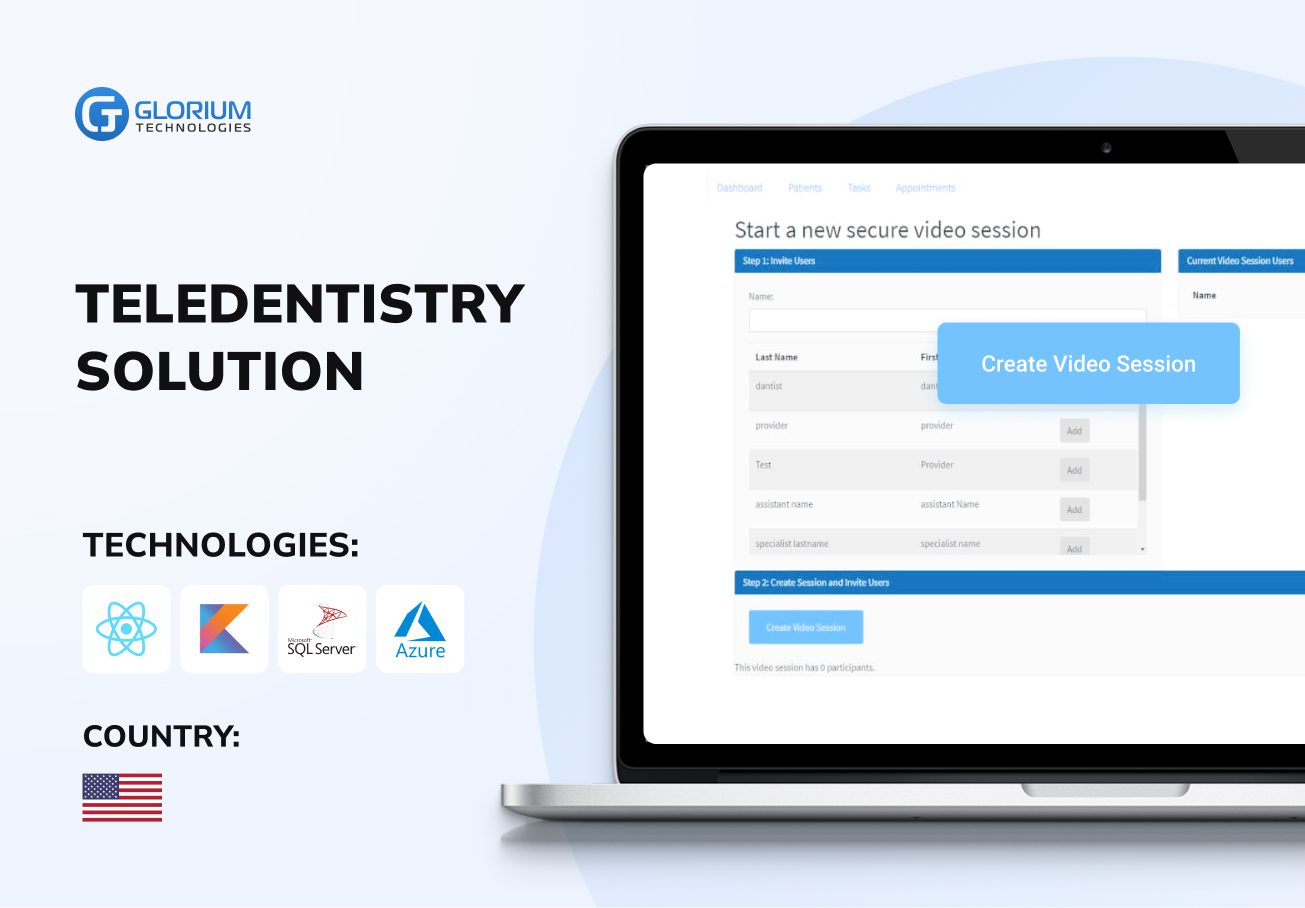
- Delivering reliable, high-quality streaming
- Implementing portals and dashboards
- Achieved full regulatory compliance
- Delivered seamless HD streaming
- Expanded affordable remote care
- Integrating advanced sensor technology
- Enabling therapeutic biofeedback applications
- Creating user-friendly diagnostic reports
- Seamless hardware–app integration achieved
- Enhanced self-regulation and engagement
- Improved user experience and outcomes
Can’t Find What You’re Looking For?


What our clients say about us







Success Stories










Who we are
About usGlorium Technologies is a full-cycle app & software development company which covers specific client business needs and manage them with the help of the best possible technology solutions.
Since 2010, we have been inventing digital breakthroughs, helping startups and businesses come out on top in their markets.

Why choose us



Certifications



Let's Connect!



Why Healthcare Organizations Choose Custom Remote Patient Monitoring Software
We’re past the point when remote patient monitoring was an optional add-on to a core healthcare strategy. Today, 76.4% of U.S. adults (about 194 million people) live with at least one chronic condition, according to a 2025 CDC study. That creates a massive demand for healthcare providers to deliver round-the-clock care beyond hospital walls. The remote patient monitoring market reflects this pressure: Grand View Research valued it at $26.0 billion in 2025 and projects $110.7 billion by 2033, a 20% compound annual growth rate. Remote monitoring is central to this change, expanding access while cutting avoidable hospital readmissions.
Yet, off-the-shelf solutions often lack the flexibility to integrate seamlessly with diverse EHR systems or support specific clinical workflows. That’s why many providers invest in custom remote patient monitoring solutions. The latter allows organizations to adapt technology to their patient population and stay compliant with HIPAA and GDPR. Packaged RPM platforms also tie you to one vendor’s device catalog and billing logic, which becomes a real constraint when CMS changes the rules, as it did with the new CPT codes for 2026.
The University of Pittsburgh Medical Center developed a custom RPM program for chronic obstructive pulmonary disease patients. Hospital readmissions fell by 76% among enrolled patients, while ER visits dropped by about 44%.
How Remote Patient Monitoring Devices Are Changing Patient Care
For many, the home setting supports healing, whereas the hospital environment is seen as holding recovery back. More people now go for remote patient monitoring services that fit naturally into daily life, without the stress of clinic visits. Medicare data shows how fast this shift is moving. According to the HHS Office of Inspector General, Medicare RPM payments grew from $15 million in 2019 to $536 million in 2024.
The latest remote patient monitoring software generation now includes real-time notifications, graphical insights, and predictive analytics. With these advancements, doctors can spot health concerns much earlier and adjust treatment as conditions change. This not only lowers the chances of patients returning to the hospital but also improves daily care. As remote monitoring now connects seamlessly with EHR systems, clinicians get a clearer, complete view to support their decisions. Modern RPM systems also pull patient readings from multiple health tracking devices into one record, so a care team reviews blood pressure, glucose, and weight trends side by side instead of switching between vendor portals.
Types of remote patient monitoring systems include:
- Wearable devices: This category includes smartwatches, fitness trackers, and other medical devices that patients can wear, such as Apple Watch, Fitbit, Oura Ring, or medical-grade ECG patches
- Mobile health (mHealth) apps: Designed for continuous monitoring, these everyday mobile apps let patients track symptoms and oversee their health status
- Home health monitoring devices: Doctors receive patient information through a central hub that gathers data from connected medical devices like blood pressure cuffs, glucometers, pulse oximeters, and smart scales
- Implantable devices: Cardioverter-defibrillators, implantable cardiac monitors, and implantable glucose sensors such as Eversense, which work within the patient’s body, are the most widespread examples of these tools
- Telehealth platforms: These RPM solutions have video conferencing capabilities with remote monitoring features, allowing for virtual consultations and real-time data sharing between patients and doctors
RPM Devices Your Remote Patient Monitoring Software Should Support
Device choice shapes everything downstream: which vital signs you capture, how patients send readings, and which CPT codes you can bill. CMS requires RPM devices to meet the FDA definition of a medical device, so consumer gadgets alone rarely qualify for reimbursement. The table below covers the device categories most RPM programs rely on.
| Device category | What it measures | Typical programs | Example devices |
| Connected blood pressure cuffs | Systolic and diastolic blood pressure, pulse | Hypertension, heart failure, prenatal care | Omron, Withings BPM, iHealth, cellular cuffs from Tenovi |
| Glucometers and continuous glucose monitors (CGMs) | Blood glucose levels and trends | Type 1 and type 2 diabetes, gestational diabetes | Dexcom G7, Abbott FreeStyle Libre, Smart Meter iGlucose |
| Pulse oximeters | Blood oxygen saturation (SpO2), heart rate | COPD, asthma, post-acute recovery | Masimo MightySat, Nonin |
| Smart weight scales | Body weight and day-to-day change | Heart failure fluid retention, obesity, kidney disease | Withings Body, BodyTrace cellular scale |
| ECG monitors and patches | Heart rhythm, arrhythmia events | Atrial fibrillation, cardiac rehab | AliveCor KardiaMobile, iRhythm Zio |
| Digital spirometers | Lung function (FEV1, peak flow) | COPD, asthma, lung transplant follow-up | NuvoAir, MIR Smart One |
| Smart thermometers | Body temperature | Post-surgical and oncology monitoring | Withings Thermo, Kinsa |
| Wearables and smartwatches | Heart rate, activity, sleep, heart rate variability | Prevention, wellness, cardiac rehab | Apple Watch, Fitbit, Oura, Garmin |
Bluetooth, cellular, and API-based device integration
Bluetooth devices pair with a dedicated mobile app on the patient’s phone, which then uploads each reading. This keeps hardware costs low but depends on the patient keeping the app open and the phone nearby.
Cellular devices carry a built-in SIM and send data straight to your remote patient monitoring platform the moment a reading is taken. Older patients and people without smartphones usually get much better adherence with them, since there is nothing to pair.
A third route is the vendor’s cloud API. Dexcom, Withings, and similar manufacturers expose readings through their own APIs, while Apple HealthKit and Android Health Connect collect data from many consumer wearables. Solid device integration usually combines all three routes.
Clinical data mapping and device data normalization
Every manufacturer formats device data differently, with its own units, timestamps, and identifiers. Clinical data mapping converts these readings into standard FHIR Observation resources with LOINC codes, so the electronic health record, analytics layer, and billing engine all read the same values. Good mapping also removes duplicates and records which device produced each reading, which matters during an audit.
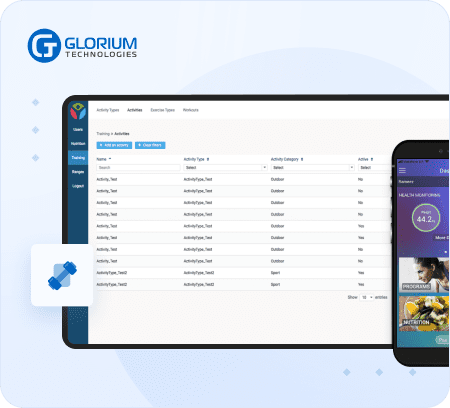
Glorium Technologies has solved this in practice. For a wellness startup, our team built a health tracking platform with seamless AiPOD system integration and personalized monitoring for each user.
Key Benefits of a Remote Patient Monitoring System
Adoption keeps climbing. Nearly 1 million Medicare enrollees received RPM services in 2024, a 27% increase over 2023, according to the OIG. Patients and healthcare providers alike have recognized the value.
They ensure personalized healthcare that fits daily life
RPM software changes the way care works by tracking patients’ vitals and alerting doctors before small concerns snowball. Unneeded hospital appointments become a thing of the past, allowing providers to focus on those in real need. The result is healthcare that’s faster, more personal, and delivered in the most familiar place of all—home. This level of accessibility matters most to those in rural areas, patients managing mobility issues, or anyone trying to fit care into an already demanding schedule.
They keep patients connected between appointments
Remote patient monitoring software goes beyond convenience, redefining how the healthcare industry delivers care. With access to real-time patient data, clinicians can see a continuous and detailed view of each patient’s health status. For patients, it means their symptoms and vital signs don’t go unnoticed between appointments, giving them peace of mind that care teams are always informed and ready to step in when needed.
They track vitals and medications for better outcomes
The continuous monitoring process allows healthcare providers to pinpoint early warning signs and make timely interventions before conditions worsen. By tracking patient health vitals, medication intake, and even blood glucose levels, remote patient monitoring apps improve the management of chronic disease patients and reduce reliance on reactive treatment.
They turn data collection into insights
Behind the scenes, custom RPM software development also addresses critical factors such as data collection, secure data storage, and compliance with healthcare regulations.
By using built-in data analytics and predictive analysis, providers transform raw medical data into meaningful insights. When combined with ongoing support, this improves patient satisfaction and lowers costs for healthcare organizations. Data visualization tools such as trend charts and color-coded risk scores help medical professionals spot high-risk patients in seconds instead of scrolling through raw patient readings.
How a Remote Patient Monitoring App Supports Patients
Remote patient monitoring apps are making healthcare more supportive. Rather than waiting for the next appointment, patients can track their health in real time and instantly share updates through monitoring software that links directly to their care team. This steady stream of information helps doctors fine-tune treatment plans and deliver better outcomes. Strong data security measures keep sensitive health details safe.
Research shows that 73% of patients using RPM feel more engaged in their care, and programs often reduce hospital visits by double digits. For example, the University of Mississippi Medical Center’s RPM initiative for diabetes patients led to lower blood sugar levels and fewer ER visits. This shows how apps can improve daily management while easing the burden on hospitals.
Improved access to care
A remote monitoring system allows patients to access medical support from home, avoiding repeated trips to hospitals or clinics. This is particularly beneficial for chronic disease patients with mobility issues and those living in rural areas where healthcare is harder to reach.
Convenience and comfort
Remote monitoring fits naturally into a patient’s routine, making care far less disruptive. Access to health monitoring tools that track vital signs in real time allows patients to manage their health needs from home—without the hassle of traveling to a clinic or spending hours in a waiting room.
Cost savings
Fewer trips to the ER, shorter hospital stays, and reduced face-to-face consultations mean lower patient expenses. Thanks to healthcare software, care continues beyond conventional clinical settings while remaining accessible and affordable.
Increased engagement
When patients have access to their health data and easy-to-understand information about their medical records, they feel more involved in their treatment. RPM solutions that collect data and share insights make it easier for people to understand their condition and participate in making decisions.
Personalized care
Remote patient monitoring is a reliable source of up-to-date information, enabling healthcare providers to adjust care as a patient’s needs change. This matters most for people with chronic conditions, as it gives providers the insight to respond quickly and keep care on track.
Patient education inside the app
Short videos, reading guides, and condition-specific tips teach patients how to take accurate measurements and what their numbers mean. Patient education content also covers the initial device setup, which is part of the service billed under CPT 99453. Patients who understand their readings tend to track progress more consistently and reach out to their care team sooner.
What Healthcare Providers Gain from RPM Software
Continuous patient monitoring gives healthcare providers a complete view of their patients’ health. Instead of relying only on periodic appointments, clinicians receive ongoing updates. This move from reactive to proactive care helps deliver stronger results while also easing the pressure on hospital resources.
The list of benefits for healthcare providers includes:
- Real-time insights – access to up-to-date patient health vitals instead of delayed information
- Timely interventions – the ability to step in before small issues develop into emergencies
- Better chronic condition management – continuous oversight for patients with diabetes, heart disease, or hypertension
- Improved efficiency – cutting down on unneeded hospital trips allows providers to focus on urgent cases
- Enhanced patient satisfaction – stronger communication and peace of mind for patients under care
- Billable care time – built-in timers log every minute of data review and patient interaction toward CPT codes 99457, 99458, and 99470
- Population health visibility – cohort dashboards support chronic disease programs and population health initiatives by ranking patients by risk
With these advantages, remote health monitoring systems are essential to modern healthcare practice.
RPM Billing and CPT Codes Your Platform Should Track
Reimbursement is what keeps most RPM programs running, so billing logic belongs inside the software rather than in a spreadsheet. The 2026 Medicare Physician Fee Schedule added two new RPM codes for shorter monitoring periods and lighter management time. Patients who used to fall below the 16-day or 20-minute thresholds can now be billed for.
| CPT code | What it covers | What your software should enforce |
| 99453 | Initial device setup and patient education | Bill once per episode of care; log the setup date and education session |
| 99454 | Device supply and data transmission, 16–30 days of readings in a 30-day period | Count qualifying days per patient automatically |
| 99445 (new in 2026) | Device supply and data transmission, 2–15 days of readings in a 30-day period | Choose 99445 or 99454 for the same period, never both |
| 99457 | First 20 minutes of treatment management per calendar month | Track staff time; confirm at least one real-time interaction |
| 99458 | Each additional 20 minutes of treatment management | Add-on to 99457 only |
| 99470 (new in 2026) | First 10 minutes of treatment management per calendar month | Use when monthly time lands between 10 and 19 minutes; real-time interaction required |
| 99091 | Physician or qualified professional time collecting and interpreting data, 30+ minutes per 30 days | Separate time log for the billing practitioner |
According to industry summaries of the final rule, CMS values 99445 equally with 99454 at about $47 on average, while 99470 averages about $26. Actual rates vary by locality, so check the CMS fee schedule lookup before modeling revenue.
RPM, CCM, and RTM: what can be billed together
RPM and chronic care management (CCM) can be billed for the same patient in the same month, as long as time is not counted twice. Remote therapeutic monitoring (RTM, CPT 98975–98981) covers non-physiologic data such as therapy adherence or musculoskeletal pain scores, and Medicare does not allow RPM and RTM for the same patient in the same period. Your software should flag these overlaps before a claim goes out.
Audit readiness under growing Medicare oversight
Rapid growth has drawn regulators’ attention. The OIG’s 2025 data snapshot flagged billing patterns such as enrolling many patients with no prior provider relationship and billing multiple devices for one patient in a month. RPM software that keeps audit trails, consent records, device assignment history, and time logs makes those questions easy to answer.
How Remote Patient Monitoring Software Development Works
Most remote patient monitoring software development projects follow a similar path, whether you are a startup testing an idea or a health system replacing a legacy tool. Glorium Technologies typically structures the work in six stages:
- Discovery and compliance mapping: define target conditions, device list, CPT strategy, and how protected health information will flow
- Minimum viable product: launch the core patient app, medical staff interface, alert thresholds, and one or two device integrations to validate the program
- Device integration and clinical data mapping: connect Bluetooth, cellular, and API-based devices and normalize readings to FHIR
- EHR integration: sync RPM-collected data with Epic, Oracle Health (Cerner), athenahealth, or other systems through HL7 and FHIR
- Security and testing: encryption, role-based access, audit logs, and penetration testing to meet HIPAA requirements
- Launch and continuous improvement: tune alert rules, add workflow management features, and expand RPM data analytics as the patient base grows
What drives RPM development costs
Development costs depend less on screen count and more on integrations and compliance scope. The main drivers are listed below.
| Cost factor | Why it matters |
| Number and type of devices | Each device family needs its own integration, testing, and data mapping |
| EHR integration | Certified connectors and FHIR mapping add effort, especially across several EHRs |
| Billing automation | CPT logic, time tracking, and claim reports require careful rule design |
| Analytics and AI | Risk scoring and predictive alerts need clean historical data and model validation |
| Compliance and security | HIPAA safeguards, audit trails, and penetration testing are mandatory for PHI |
| Platforms | A web dashboard plus iOS and Android patient apps multiplies front-end work |
Starting with an MVP is the most reliable path to cost optimization, since real usage data shows which features deserve the next budget. You can estimate your MVP budget with our calculator or discuss the scope with our team.
Build Your Remote Patient Monitoring Platform with Glorium Technologies
RPM is changing the way healthcare works. Giving providers real-time updates on patient health helps them act faster, manage chronic conditions more effectively, and cut down on unnecessary hospital visits. This means better patient outcomes and the comfort of receiving care at home.
At Glorium Technologies, we build practical and secure remote patient monitoring software. With 15+ years of experience in software development, our team creates solutions that patients find easy to use and healthcare professionals can trust. Our engineers handle the full stack of RPM work, from connected device integration and EHR interoperability to billing logic aligned with the 2026 CPT codes.
We know choosing the right development partner comes with questions. That’s why we offer a free 30–60-minute consultation with our experts. They will walk you through the process and answer everything directly.

FAQ
Do you offer a patient-facing mobile app as part of your RPM solution?
Yes, we offer accessible mobile applications for patients. They are compatible with both the iPhone and Android operating systems, and the interface can be easily branded with your practice information.
What RPM solutions can best support my practice?
Your choice of the right RPM solution hinges on various factors, including your patient population, the types of conditions you manage, your clinical workflow, and integration needs, to name a few. We can help create software for chronic disease management, so you can track patients with hypertension, diabetes, or heart failure. It can be a post-operative monitoring system, helping detect complications early.
If you are working with soon-to-be parents, you can get maternal and prenatal tools to watch for issues like preeclampsia. Or we can help you develop preventive monitoring software that analyzes data from wearable devices. In case you’re running a nursing home, elderly care systems can make all the difference as they track daily vitals, provide medication reminders, and emergency alerts. If none of these options speak to you because you require something more sophisticated, we can build combined applications that integrate multiple functions.
Can you develop RPM software with AI and ML capabilities?
Yes, we develop Remote Patient Monitoring software powered by AI and Machine Learning to make care smarter and clinicians’ work easier. Our solutions use predictive analytics to forecast risks, computer vision for fall or wound detection, and NLP for automated documentation and virtual assistants.
If your solution requires real-time anomaly detection, personalized care plans, or AI-driven decision support, we can integrate all of that. Every feature is HIPAA-compliant and developed in line with FDA guidance for AI in medical devices. We also include explainable AI, so healthcare providers clearly understand how each prediction is made.
Which CPT codes can RPM software help bill?
Our billing modules support the full RPM code set: 99453 for setup and education, 99454 and the new 99445 for device supply, 99457, 99458, and the new 99470 for treatment management, and 99091 for physician data review. The software counts reading days, logs staff time, and confirms real-time interactions, then generates claim-ready reports for your billing team.
Which remote patient monitoring devices can you integrate?
We integrate connected blood pressure cuffs, glucometers and continuous glucose monitors, pulse oximeters, smart scales, ECG monitors, spirometers, thermometers, and consumer wearables. Integration can run through Bluetooth with a patient app, cellular gateways, or manufacturer APIs such as Dexcom and Withings, plus Apple HealthKit and Android Health Connect.
Which is better for RPM: Bluetooth or cellular devices?
Cellular devices work out of the box and suit older adults or patients without smartphones, which usually improves the number of days with readings. Bluetooth devices cost less per unit and fit tech-comfortable patients who already use a phone app. Many programs mix both, and our platform handles them in a single patient record.
Can RPM be billed together with CCM or RTM?
RPM and chronic care management can be billed for the same patient in the same month when time is tracked separately. RPM and remote therapeutic monitoring cannot be billed for the same patient in the same period. Our software flags these conflicts before claims are submitted.
How does RPM software support audit readiness?
The platform stores consent records, device assignment history, reading-day counts, time logs, and interaction notes for every patient. These records answer the questions the OIG has raised about RPM billing, such as patients with no prior provider relationship or several devices billed for one person in a month.
Does remote patient monitoring software need FDA clearance?
Software that only transfers, stores, or displays device data generally falls outside active FDA oversight. Software that analyzes patient health data to diagnose a condition or drive treatment decisions may qualify as software as a medical device and need clearance. We assess your feature set early and design the product with the right regulatory pathway in mind, while the connected devices themselves must already meet the FDA medical device definition for Medicare billing.