A New Product Development Process for Startups
Startups
In this blog post, we're diving into the nitty-gritty of startup product development, breaking down the essential steps, from great idea to product design and engineering the mobile apps or physical product, if required.
Product development in a lean startup differs from that in established companies in several significant ways.
These distinctions arise from the unique characteristics, constraints, and objectives that startups face. Here are some key differences in how product launch typically unfolds in startups:
Startups often have limited financial resources, smaller teams, and shorter timelines. This means they must be highly resource-efficient and prioritize where to allocate their limited resources. This constraint can drive startups to adopt lean and agile methodologies to build and iterate products quickly.
Startups are known for their agility and ability to pivot quickly based on market feedback. Unlike larger organizations that may have lengthy decision-making processes, startups can make rapid changes to their product strategy, features, and user experience to adapt to changing market conditions or customer needs.
Startups frequently emphasize the development of a Minimum Viable Product (MVP) – a basic version of their product with essential features. This MVP is launched quickly to gather user feedback and validate assumptions before investing further resources. Startups use MVPs to learn and iterate.
Successful startups often have a more entrepreneurial culture, where team members wear multiple hats and are expected to be adaptable and innovative. This culture encourages creative problem-solving and a sense of ownership among employees.
Startups typically prioritize a deep understanding of their target users and their pain points. They aim to build value proposition that directly address these pain points, often leading to more user-centric design and development processes, appreciated by the early adopters.
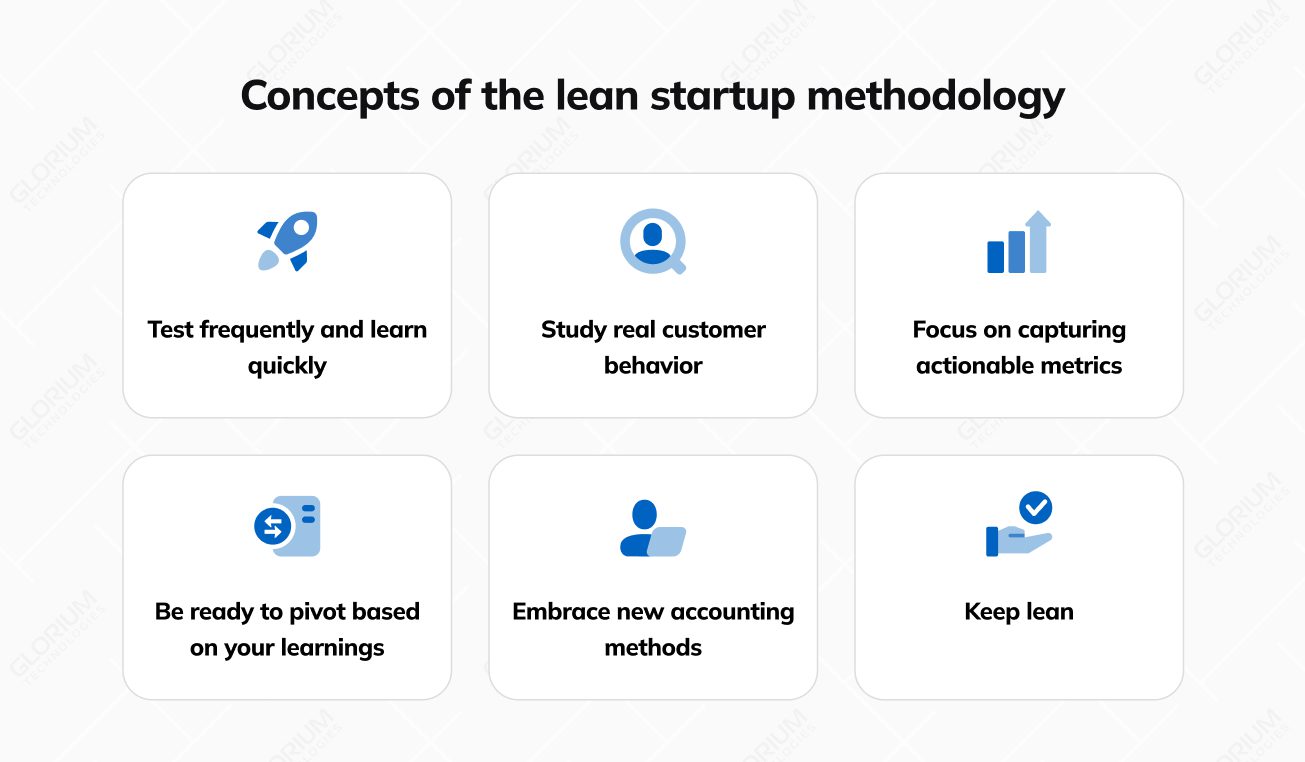
Startups focus on validating assumptions and hypotheses as quickly as possible. This can involve running experiments, conducting user interviews, and analyzing data to ensure that product development efforts align with actual market needs.
The principles of lean development, which emphasize eliminating waste, optimizing processes, and continuous improvement, are commonly applied in startups to maximize efficiency and conserve resources.
While startups may begin with a small user base, their ultimate goal is often rapid growth and scalability. Product development in startups needs to be scalable, allowing the product to handle increased demand and usage as the user base expands.
Startups may rely on bootstrapping (self-funding) or seek external funding through venture capital, angel investors, or crowdfunding. The choice of funding source can influence the product development strategy and timeline.
Many startups aim to disrupt existing markets or create entirely new ones. This disruptor mindset can lead to innovative and unconventional approaches to product development. In summary, product development in startups is characterized by its resource constraints, rapid iteration, focus on MVPs, entrepreneurial culture, and a strong emphasis on validation and user-centricity. Startups are nimble, risk-tolerant, and driven by the desire to bring innovative solutions to market quickly. These differences make startup product development a unique and exciting journey with its own set of challenges and opportunities.
Are you a startup founder embarking on the challenging journey of bringing a new product to life and winning the startup world? If so, you understand that the startup product development process can be both exciting and daunting. That's where Glorium Technologies comes in as your trusted partner. We specialize in startup product development, which makes us the ideal companion for your entrepreneurial adventure. We understand the unique challenges and opportunities that startups face in the product development process. Navigating the new product development process can be complex. Our experienced team will guide you through every stage, from coming up with the app idea to market launch of the existing product. We bring structure and efficiency to the process, ensuring you stay on the right track. We have experience and expertise in:
So, there you have it – the intricate dance of product development for startups. From sparking great ideas to coding lines, from prototyping phase to bringing mobile applications to the potential customers, it's a journey filled with creativity, innovation, and meticulous planning. Remember, the devil's in the details, but so is the magic. Stay tuned as we dive deeper into each step of the process in the upcoming sections of this blog. A healthcare company faced significant challenges with its existing outsourcing partner, who struggled to deliver quality code and meet deadlines. The project, a complex fertility testing platform, required deep understanding and expertise in healthcare and development processes, which the initial outsourcing company failed to provide. Recognizing the complexities and the specialized nature of the project, the company turned to Glorium Technologies. Our expertise in healthcare software development and process flow management positioned us uniquely to take over the project.
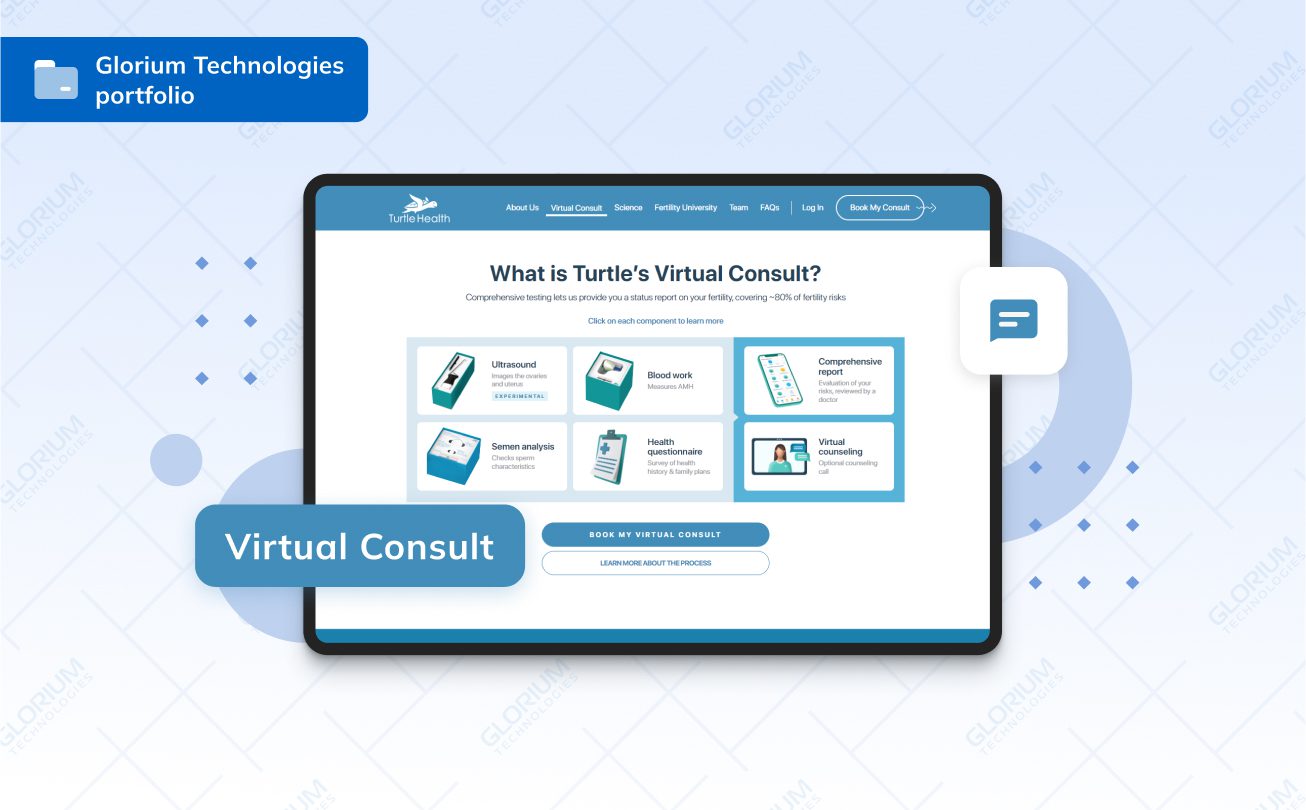
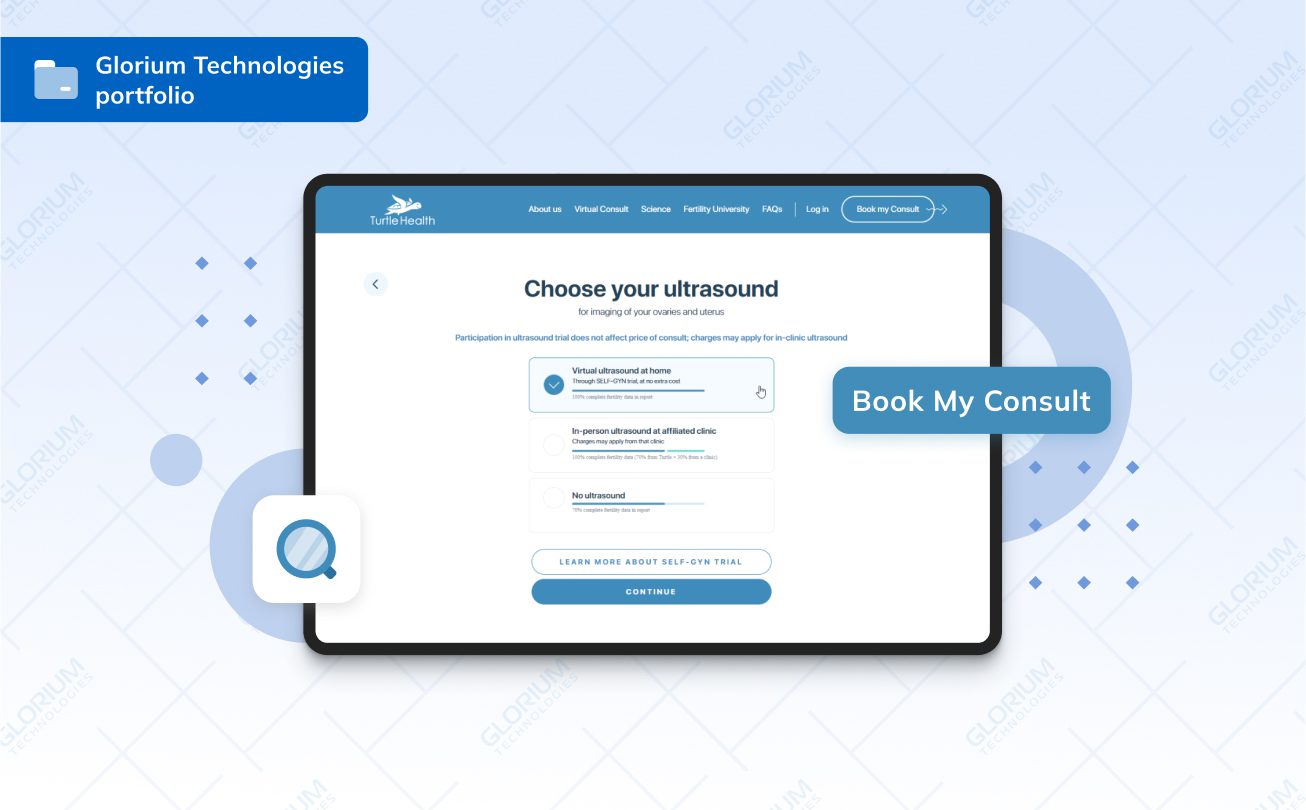
Glorium Technologies embarked on developing an intelligent system that empowers women and couples by providing clear insights into their fertility. Key aspects of our solution included:
The result was a transformative solution in the fertility healthcare space. Glorium Technologies successfully delivered a system that not only streamlined the fertility testing process but also made it more accessible and comprehensible for users. The remote testing capability and the automated report generation significantly enhanced the user experience, making fertility testing more approachable and less intimidating.
Before the lines of code are even written, the journey starts with an idea. It's about encouraging creativity and innovation. Market research is your trusty GPS, helping you navigate the uncharted waters of customer needs. It's all about finding that spark of genius, that "Aha!" moment when you know you've struck gold.
With the idea firmly in your grasp, it's time to shape it into something real. Define the product's purpose – what problem does it solve? Who's it for? It's like crafting a roadmap for your idea. What features and benefits will your product offer? Is it doable? Feasibility studies help you separate the wheat from the chaff, ensuring your concept is not just a dream but a viable reality.
On the next stage, things get tactile. You're creating a prototype, a sneak peek of your future product. Then comes user testing – real people giving real feedback. It's like a dress rehearsal for your product, helping you find its flaws and make it shine. And this is where iteration comes into play; you tweak, adjust, and improve based on user insights.
This is where the artistic meets the practical. UX designers work their magic to create a user-friendly interface. User feedback remains the North Star, guiding the design process. Collaboration between engineers and designers ensures that the final product not only works well but looks great too.
Now, it's time to roll up those sleeves and get coding. Developers select the right technology stack – the foundation of your digital masterpiece. They break down the product into manageable pieces, creating a structure that's sturdy and functional. They're the architects, building your idea into a living, breathing product.
The new product development process typically consists of seven stages, each of which plays a crucial role in bringing a product from conception to market.
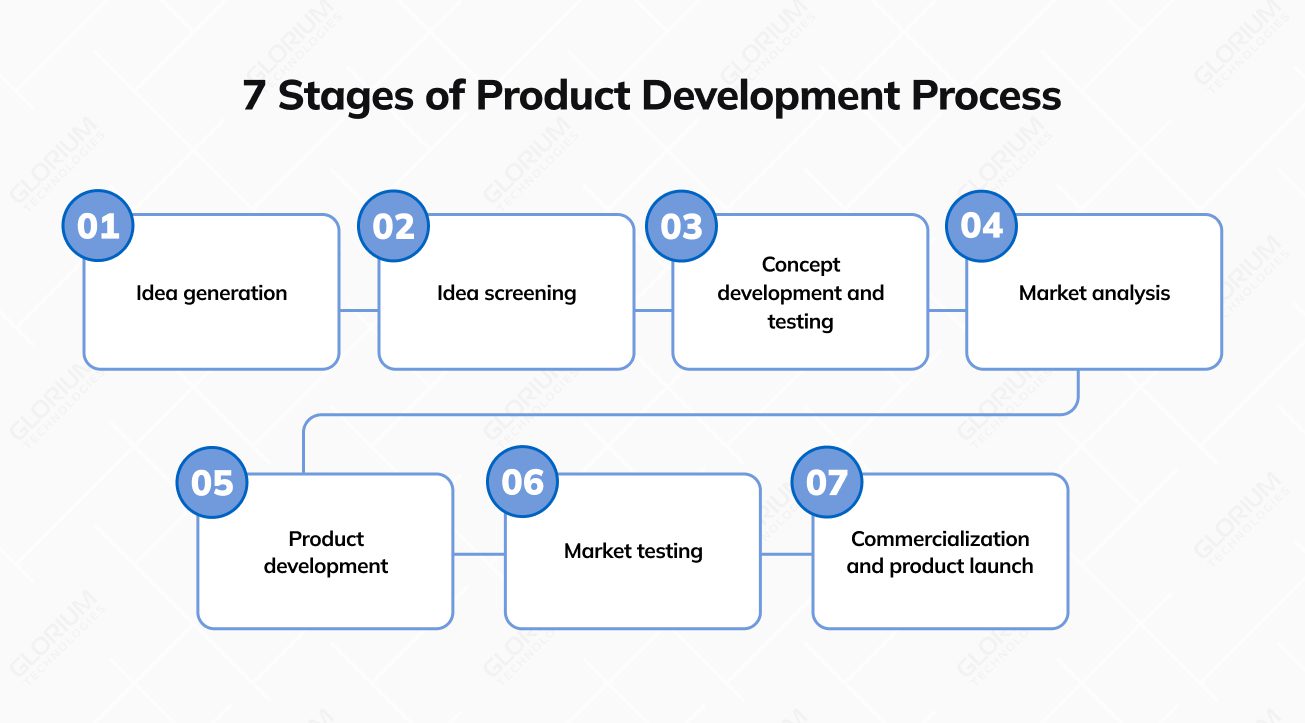
This is the initial stage where new product ideas are brainstormed, collected, and evaluated. Ideas can come from various sources, including customer feedback, research, employee suggestions, and competitive analysis.
In this stage, the generated ideas are filtered and evaluated to determine their feasibility and alignment with the company's goals and resources. Not all ideas make it past this stage; only those with the most potential proceed to become existing products.
Once a promising idea is identified, it's further developed into a product concept. This concept is then presented to a target audience or focus group for feedback and validation. This stage helps refine the concept and identify potential issues early on.
This is where a detailed business plan is created to assess the project's viability. It includes financial projections, competitor analysis, cost estimates, and a thorough analysis of potential risks and returns on investment. The goal is to determine if the product is financially feasible.
If the concept passes the business analysis phase, it moves into the product development stage. Here, the product is designed, prototyped, and tested extensively. This stage involves engineering, design, and manufacturing to create a working prototype or a minimum viable product (MVP).
After developing the product, it's essential to test it in the actual market environment. This stage often includes a limited product release in a specific geographic area or to a specific target audience. The goal is to gather real-world data on how the product performs and how customers react to it.
Assuming the product performs well during market testing, it's time for full-scale commercialization. This involves scaling up production, creating marketing and sales plans, developing pricing strategies and launching the product to the broader market. This stage also includes ongoing monitoring and adjustments based on customer feedback and market dynamics. Throughout these stages, companies may use various tools and methodologies such as market assessment, product roadmaps, project management techniques, and agile development processes to ensure a systematic and successful product development journey. Each stage contributes to minimizing risks and increasing the chances of launching a successful new product into the market.
A product development company is a specialized organization that is dedicated to creating, designing, and developing new products or improving existing ones.
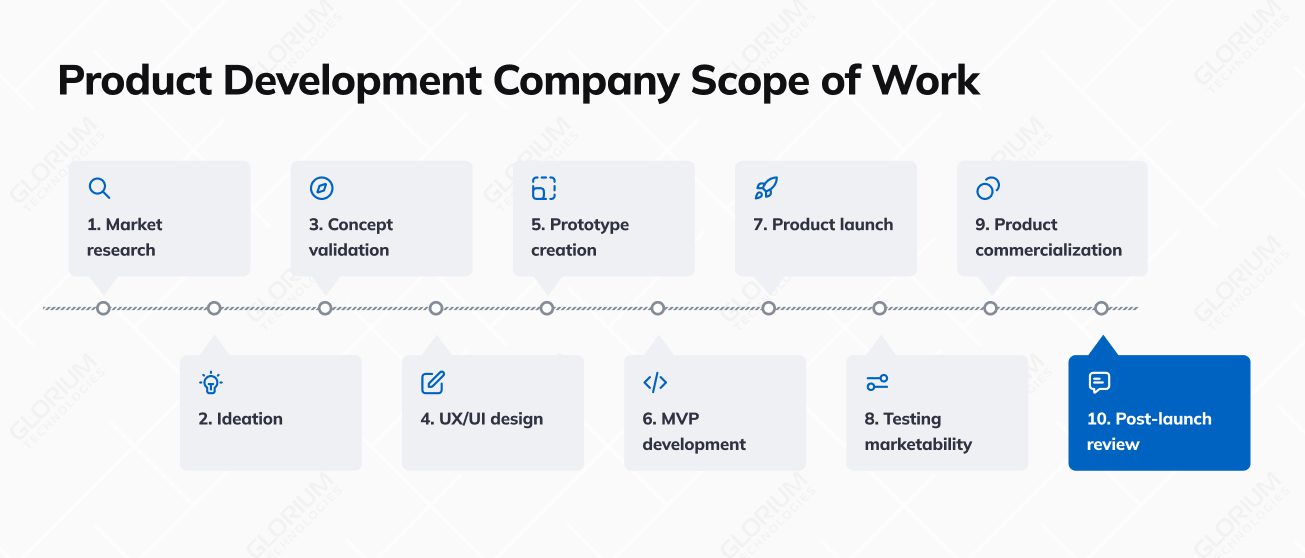
These companies offer a range of services aimed at guiding a product from its initial concept to its market launch. Here are the primary functions and activities that a product development company typically engages in during the MVP development:
Product development companies often work with clients to brainstorm and generate innovative product ideas. They may facilitate ideation workshops, conduct research, and leverage their experience to identify new opportunities.
They conduct thorough assessment to assess the demand for a potential product. This includes running swot analysis, competitive analysis, researching market trends and potential risks and challenges.
Once a promising idea is identified, the product development company helps define and refine the product concept. They outline the product's purpose, features, benefits, and unique selling points.
Product development companies conduct feasibility studies to assess the viability of the product concept. This involves evaluating technical, financial, and operational aspects to determine if the idea can be transformed into a successful product.
They create design concepts and prototypes to visualize the product's appearance and functionality. Prototyping allows for testing and validation of the product's design and features.
Product development companies employ teams of engineers and developers according to project requirements to turn the approved design and prototype into a fully functioning digital product. They select the appropriate technology stack, code, and develop the product, ensuring it meets technical requirements.
Testing is a critical phase where the product is subjected to assessment, feedback and validation. User testing helps identify usability issues, bugs, and areas for improvement like new features.
Based on the feedback from early adopters, the product development company iterates on the design and functionality, continuously refining the product to meet user needs and expectations and testing different engagement models.
If your startup ideas for products falls within a regulated industry (e.g., healthcare, aerospace), the company ensures that the product complies with all relevant regulations and standards.
For physical products, product development companies may assist in setting up manufacturing processes, selecting suppliers, and overseeing the production of prototypes and final products.
Rigorous testing and quality assurance are carried out to ensure the final product meets high standards of performance, reliability, and security.
Product development companies often provide project management services to ensure that the project stays on track, within budget, and meets deadlines.
They assist in developing go-to-market strategies, marketing plans, and sales strategies to successfully launch the product into the market.
At this final stage, after the product is launched, product development companies may continue to provide support, maintenance, and updates to ensure the product's long-term success.
They help clients protect their startup ideas intellectual property through patents, copyrights, or trademarks, ensuring that the product remains unique and competitive. In essence, a product development company serves as a partner for organizations or entrepreneurs looking to transform their product ideas into reality. They bring expertise, resources, and a structured process to the table, helping clients navigate the complex journey from concept to market.
Putting together a development team for a startup product is a critical step in bringing your startup idea to life.
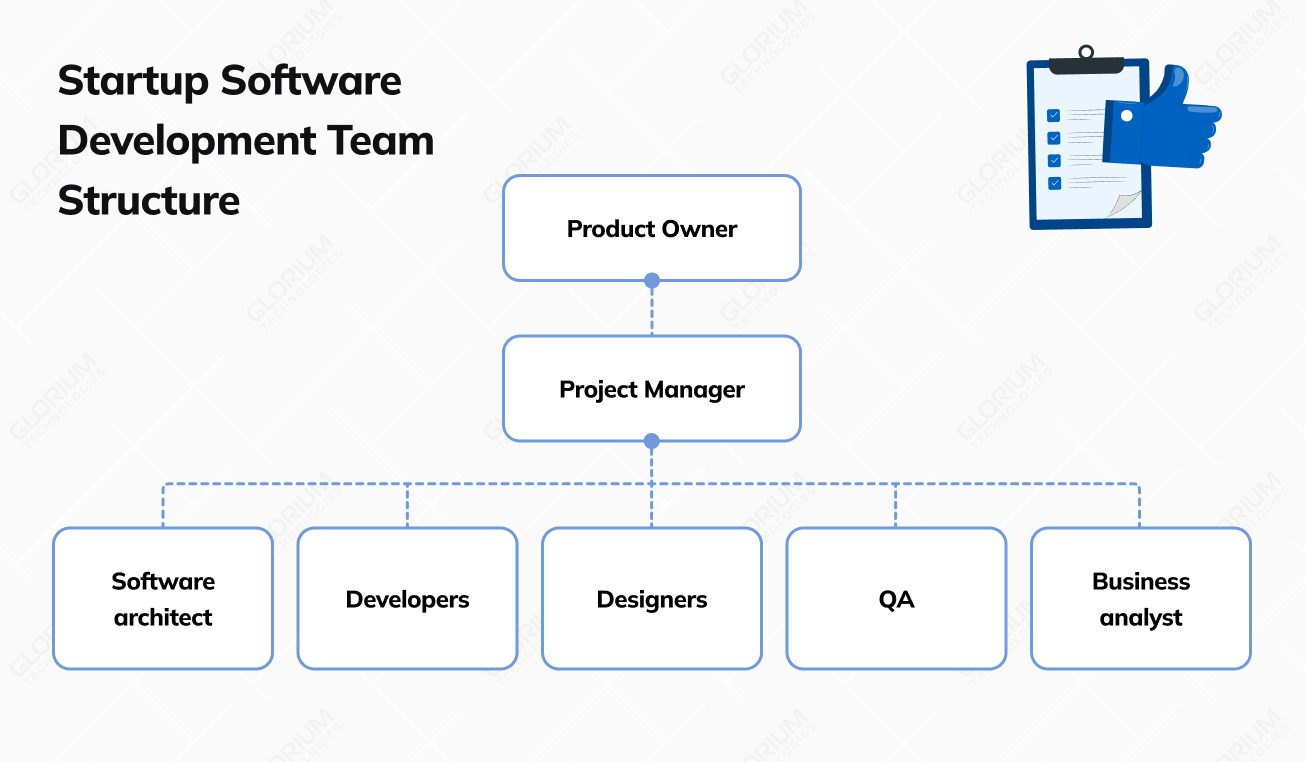
Here's how you can assemble the right product development team with a focus on your target audience:
Begin by clearly defining your product idea. What problem does it solve, and who is it for? Understanding your product concept is the foundation for building the right team.
Determine your target market, including your target customers and audience. Knowing your audience helps you make informed decisions about the skills and expertise needed in your development team.
A successful product development team should be cross-functional, consisting of individuals with diverse skills and roles. Consider the following roles:
Depending on the complexity of your product, you may also need specialists with in depth knowledge of hardware engineering, marketing, or sales.
Prioritize the development of an MVP to quickly test your product idea with your target market. This allows you to collect feedback and make necessary adjustments before investing further.
Ensure that your development team is user-centric, keeping the needs and preferences of your target market at the forefront of the product development process. Regularly gather feedback and involve target customers in testing.
Consider outsourcing certain aspects of product development to specialized product development services providers. They can bring additional expertise and resources to your team.
Ensure that your development team is well-versed in product development processes, including Agile, Scrum, or other methodologies that allow for iterative development and adaptability to changing market conditions.
Establish clear communication channels within the team to ensure alignment with your product vision and target market objectives. Regular meetings, updates, and feedback sessions are essential.
Be prepared to adapt and iterate based on the feedback and insights gained from your target market. A flexible development team can make adjustments quickly to meet changing requirements.
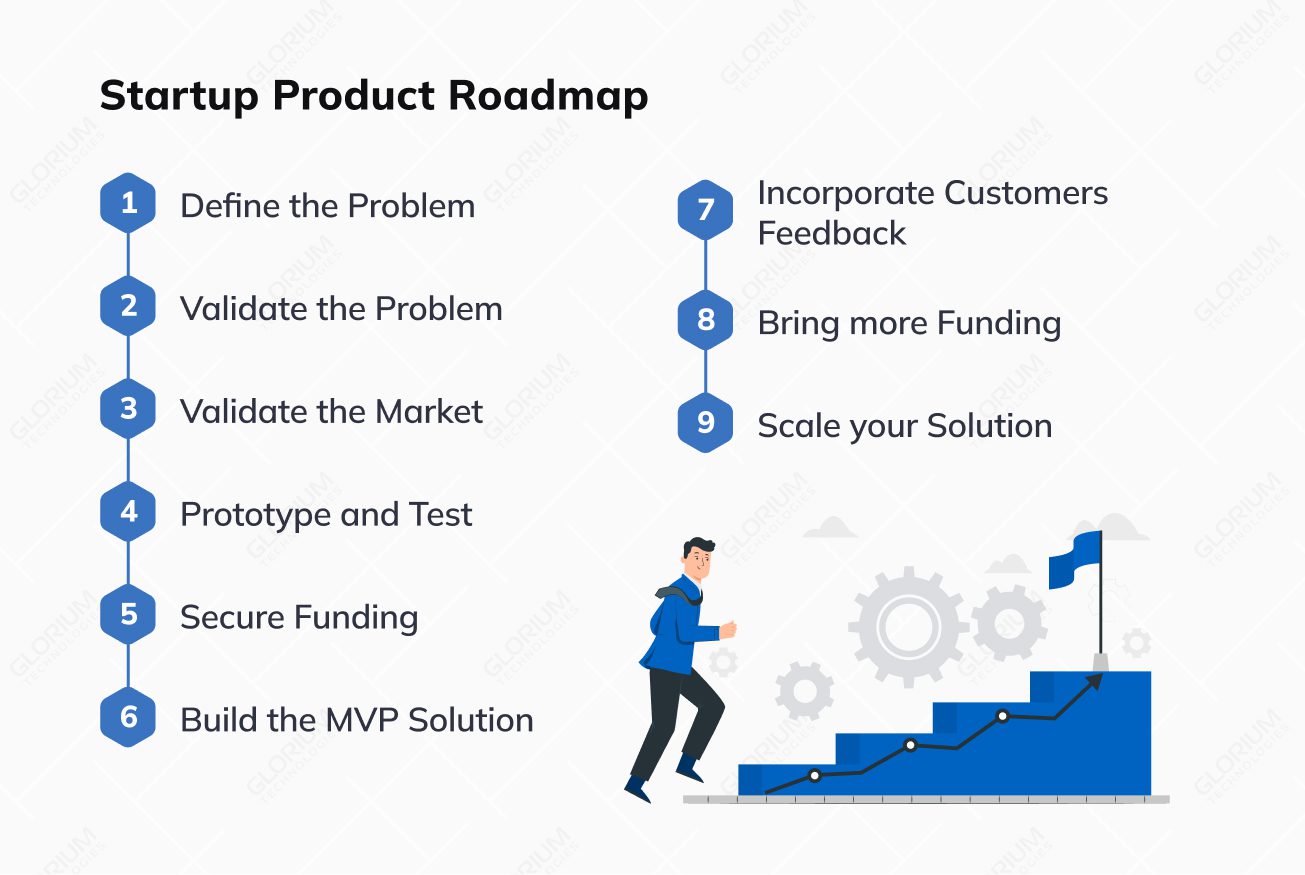
The key stages typically include:
Validating your idea involves conducting market research, talking to potential customers, creating prototypes or MVPs (Minimum Viable Products), and getting feedback. This helps ensure there is a demand for your product.
An MVP is a simplified version of your product with only the essential features. It's crucial for startups as it allows you to test your concept in the market quickly, gather user feedback, and make necessary improvements without overcommitting resources.
A product development roadmap outlines the steps, timeline, and goals for your product's development. Start by defining your objectives, prioritizing features, estimating timelines, and aligning with your business strategy.
Effective management involves clear communication, setting goals, tracking progress, and fostering a collaborative environment. Agile methodologies like Scrum or Kanban are often used for managing product development in startups.
Pricing should align with your value proposition, target market, and business model. Conduct market research, analyze competitors, and consider factors like cost, value, and perceived quality when setting your pricing strategy.