
Hospice Software Development
Move Patients from Intake to Care Faster
Every hour between referral and first visit counts in end-of-life care. Custom intake tools pull hospital records, flag prior hospice stays, and start the election and NOE clock without manual re-entry.


Our Milestones & Achievements





- 150+
Products Delivered
Health software delivered to global startups and enterprises since 2010
- 4.8 Rating
Based on Clutch Reviews
30+ reviews highlight our on-time delivery, proactive comms, and agility
- 60+
Awards and Certifications
Inc. 5000 (2020–2023) and IAOP Global Outsourcing 100 (2025, 2026)
- Five
Trust Credentials
ISO 13485, 27001, and 9001, plus AWS and Microsoft partner status
Accelerate Software Development by Up to 60% with AI-Driven SDLC

Launch products up to 60% faster

Add up to 60% more features

Same budget and no extra hires

80-100% AI-generated code

Copyright compliance

Cost-per-feature tracked every sprint

SAST + security review on every commit

Multi-layer AI + human review

SOC 2 / HIPAA-ready
Hospice Care Software Development Services for Your Agency
Pick the service that matches your gap: a new platform, a missing module, better data exchange, a safe migration, or support that keeps pace with Medicare changes.

Custom Hospice EMR Builds
Agencies that outgrow vendor software get a hospice EMR, or an EHR, built for multiple service lines, with election and IDG logic inside. The code and roadmap stay yours at enterprise scale.

Modules for Current EMRs
Replacing an electronic medical record your staff already knows is rarely worth the disruption. Add-on hospice tools fill the gaps instead, from cap forecasting to HOPE timing alerts.

Partner System Integration
Our engineers can connect your hospice system with pharmacies, DME suppliers, hospitals, HIEs, and CMS through HL7, FHIR, and vendor APIs. Orders, referrals, and claims move without retyping.

Data Migration and Cutover
Every patient record, benefit history, and bereavement caseload moves off paper charts and legacy EMR systems with validation at each step. Prior HIS data stays ready for audits.

Support and Rule Updates
CMS changes hospice rules every October 1 and revises HOPE specs in between. Ongoing support covers those updates, uptime monitoring, and security patches before any gap becomes a risk.
Hospice Software Solutions for Every Stage of Hospice Work
Twelve solutions follow a patient's path through hospice, from the first referral call to billing, family support, and bereavement, all shaped around Medicare rules.

Palliative Care Program Software
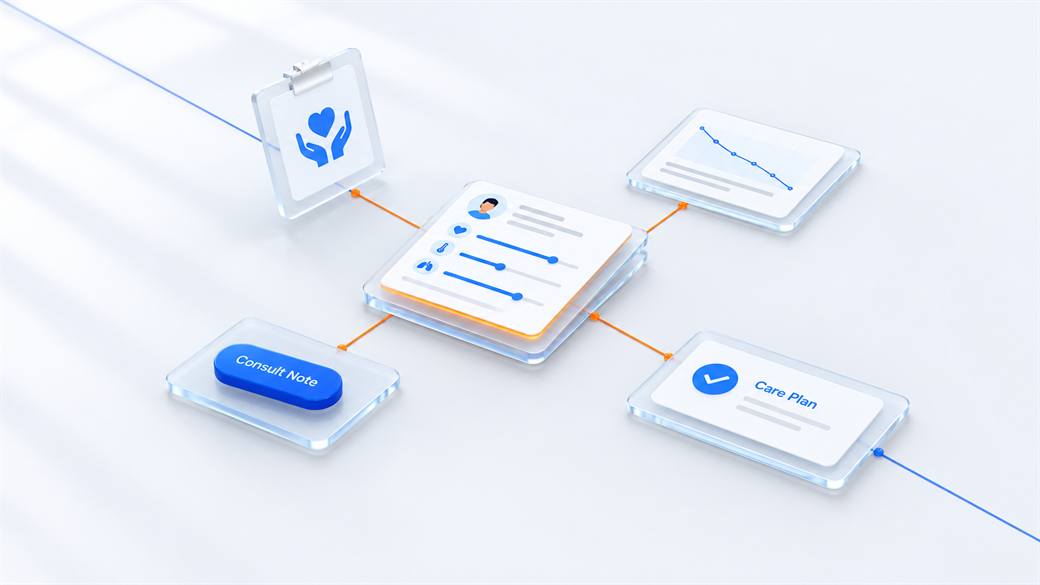
Operating outside the hospice benefit, community palliative care follows distinct billing and documentation rules. You can get software with dedicated consult notes, symptom tracking, and advance care planning tools supporting hospice care.

Referral Intake and Admission Tools
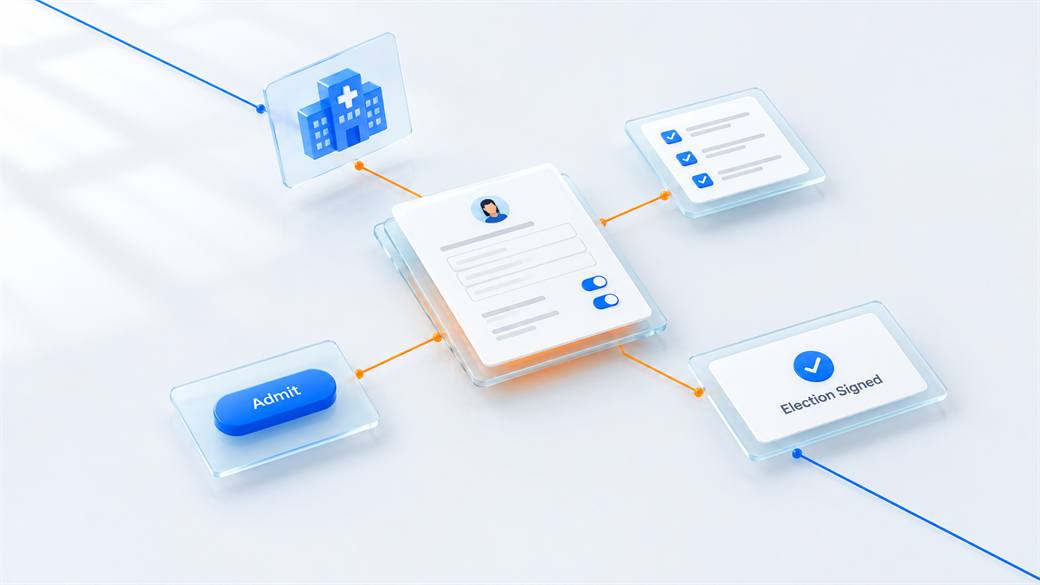
When a referral arrives, intake staff run eligibility checks and confirm the election in one flow. The system automatically flags prior hospice stays, so benefit-period counts start from the right number and hospice agencies admit patients faster.

IDG and IDT Care Planning
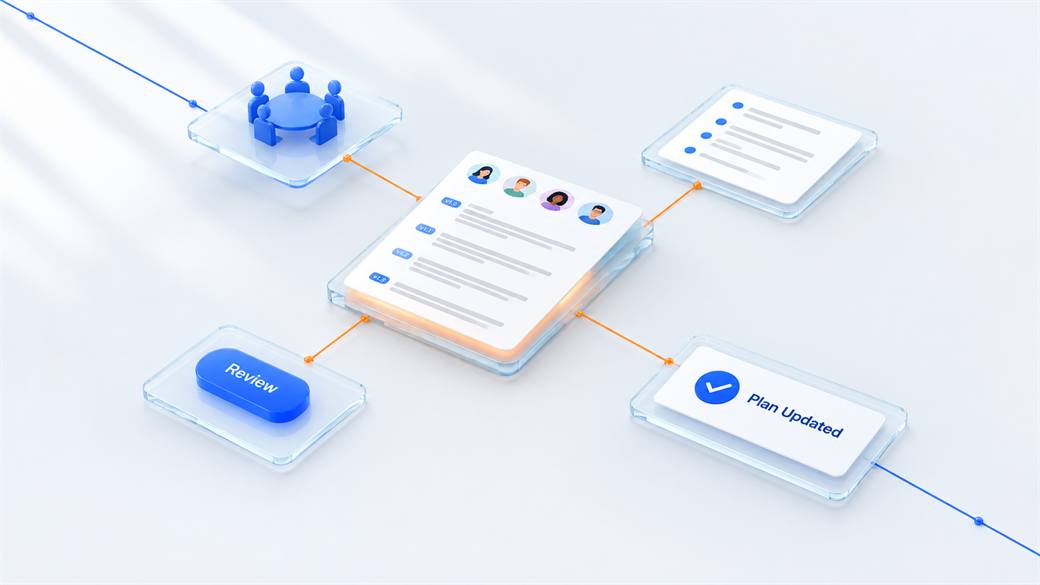
Every IDG review produces a versioned care plan with input from each discipline. Physicians, nurses, social workers, chaplains, and aides coordinate care through real-time collaboration, working from one agenda and one shared electronic health record.

Staff Scheduling
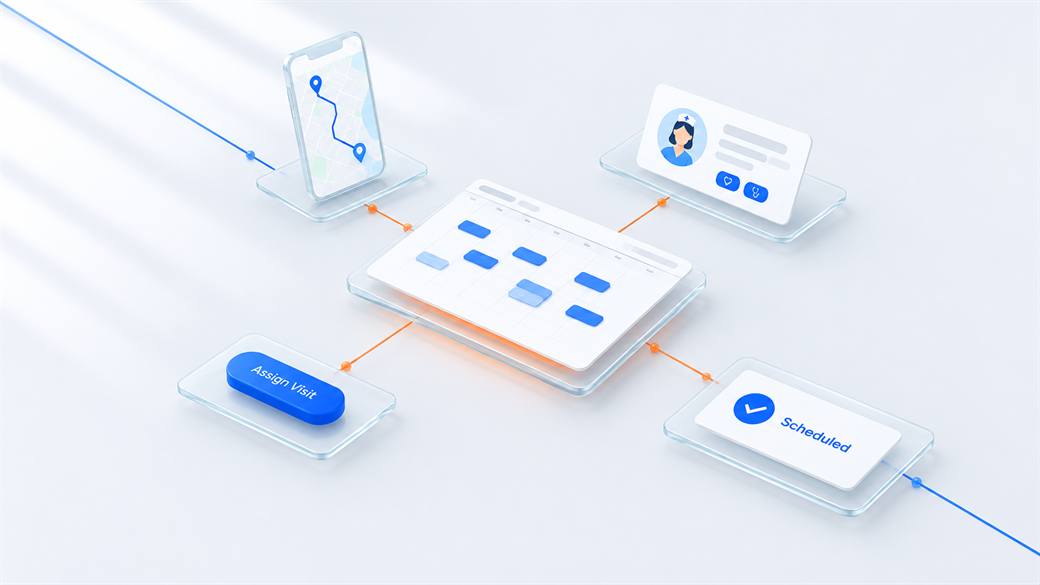
One calendar matches visits to staff skills, territory, and patient needs across hospice and home health lines. Scheduling rules catch missed visits and overtime early, which means field staff drive less and spend more time with patients.

POC Mobile Documentation
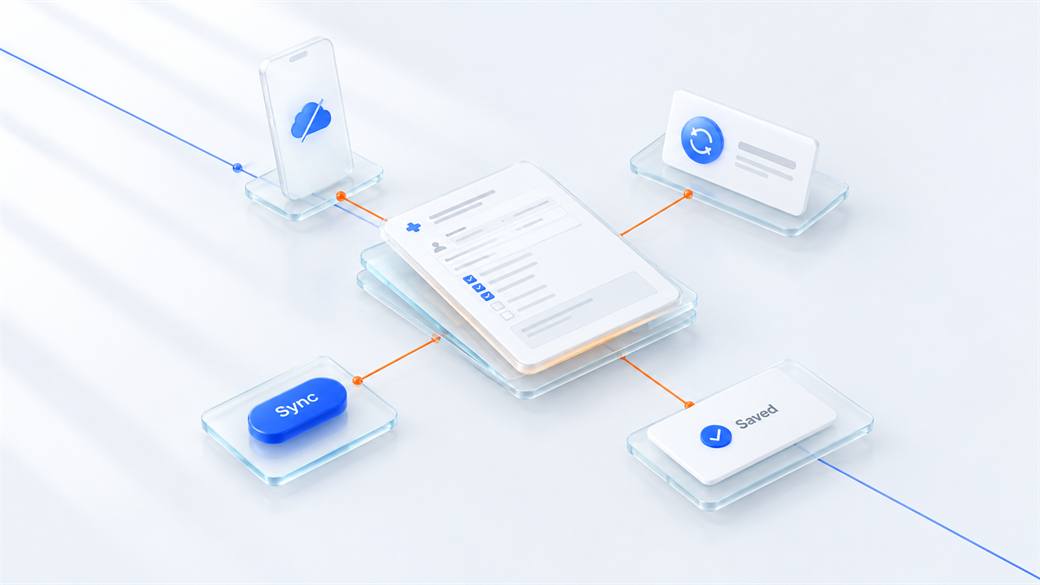
Rural homes often lack a cell signal, yet field clinicians keep charting on iOS, Android, or tablets. Notes sync once the device reconnects, conflicts go to a review queue, and hospice documentation stays complete after every visit.

AI-Assisted Charting
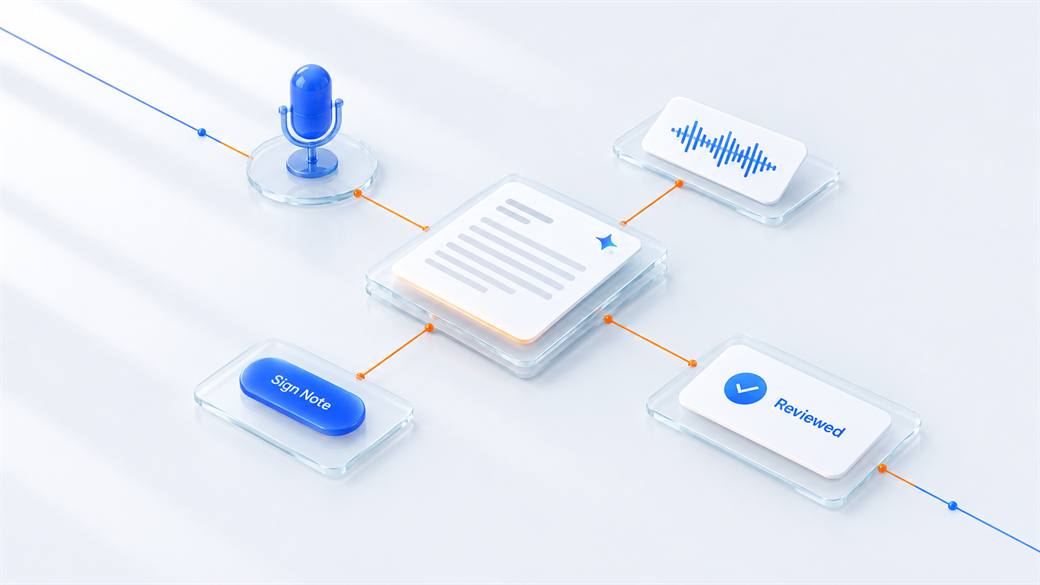
Ambient capture and draft visit narratives cut typing for nurses and physicians through AI-assisted documentation. Every note still needs a clinician's review and signature, and the system never writes eligibility narratives on its own.

Medication Management
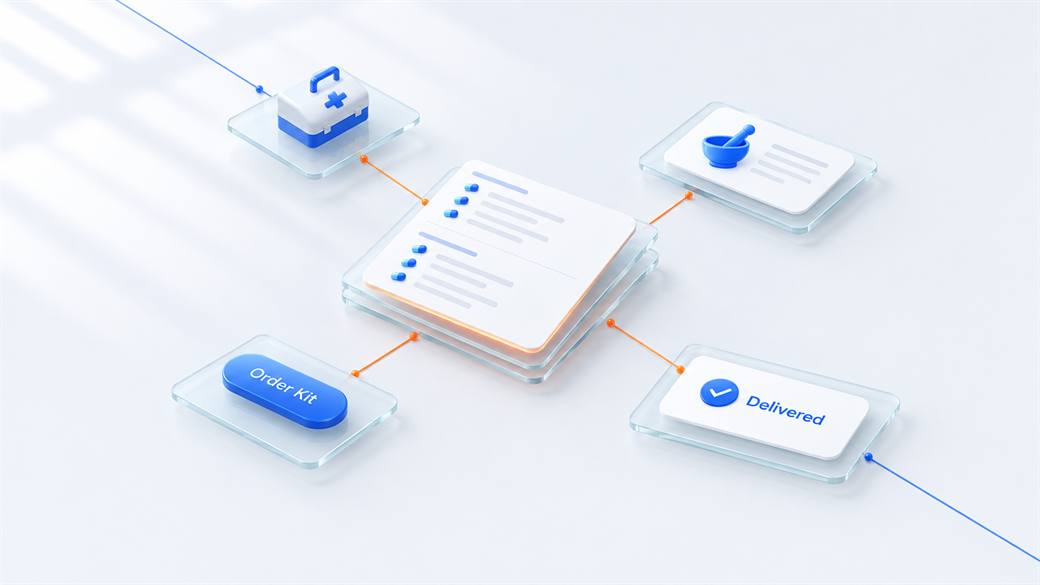
Medication profiles separate related and unrelated medications, and the system tracks comfort-kit orders from pharmacy to bedside. Nurses know what is already in each home and communicate with pharmacies without phone tag or faxes.

HOPE Assessment
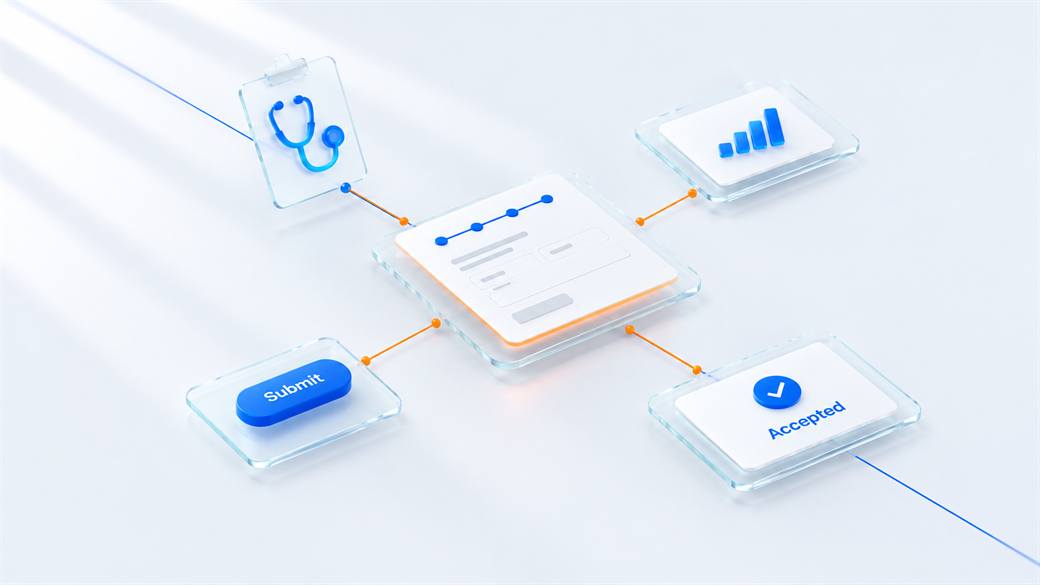
HOPE Admission, Update Visit, and Discharge workflows follow the current CMS data specifications, so each record leaves ready for iQIES submission. Quality reporting then shows your team where scores slip before CMS publishes them.

Hospice Billing
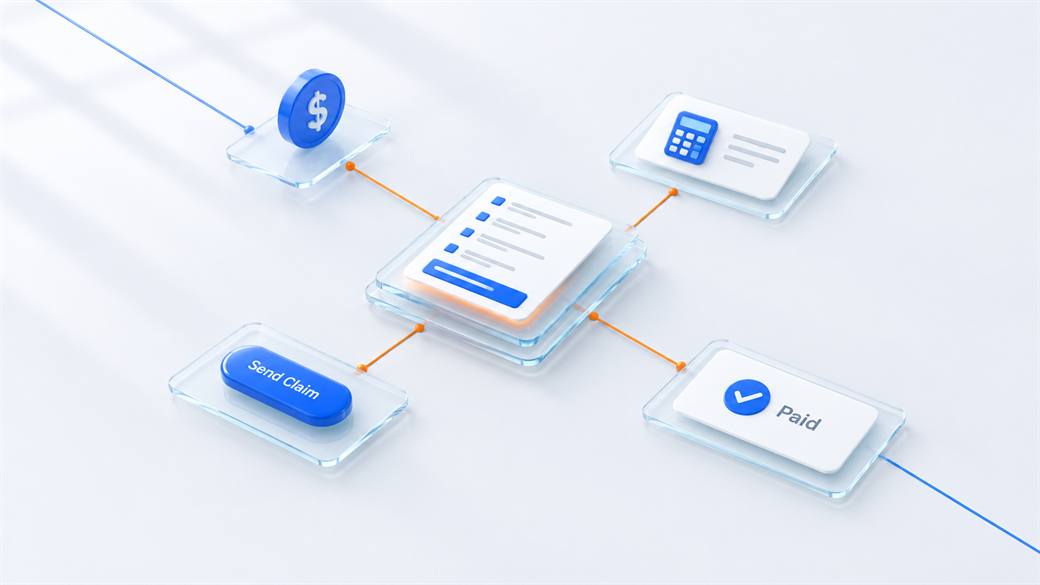
Per-diem levels of care, the RHC two-tier rate, and the service intensity add-on are all built into the hospice billing software. Clean Medicare claims go out sooner, protecting cash flow and cutting rework for back-office billers.

Hospice Analytics
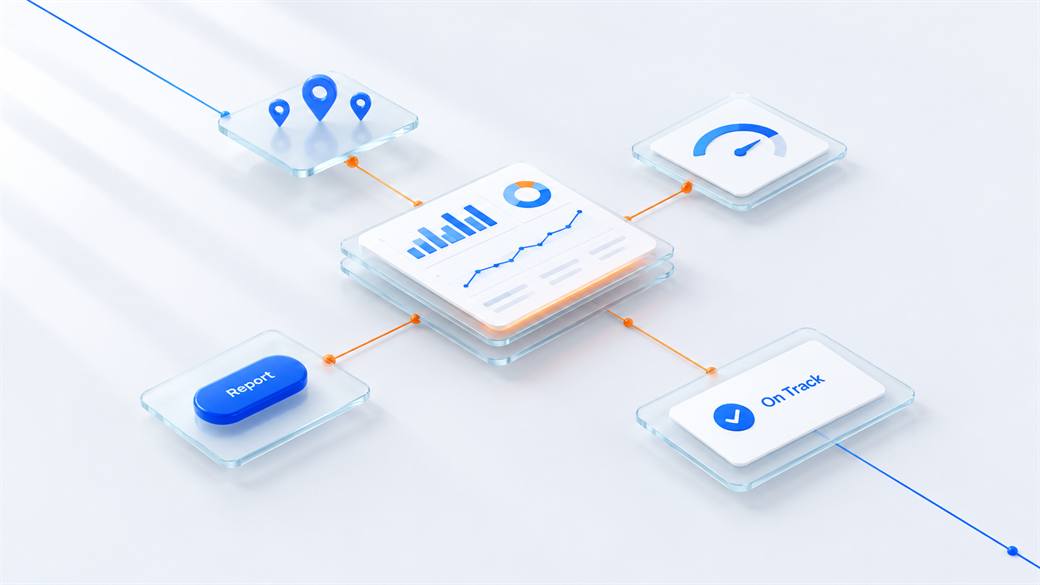
Leaders track HQRP submission rates, cap exposure, length-of-stay mix, and visit patterns on one platform. Dashboards improve visibility across sites and can model claims-based measures, such as the Hospice Care Index, for each location.

Family Engagement Portal
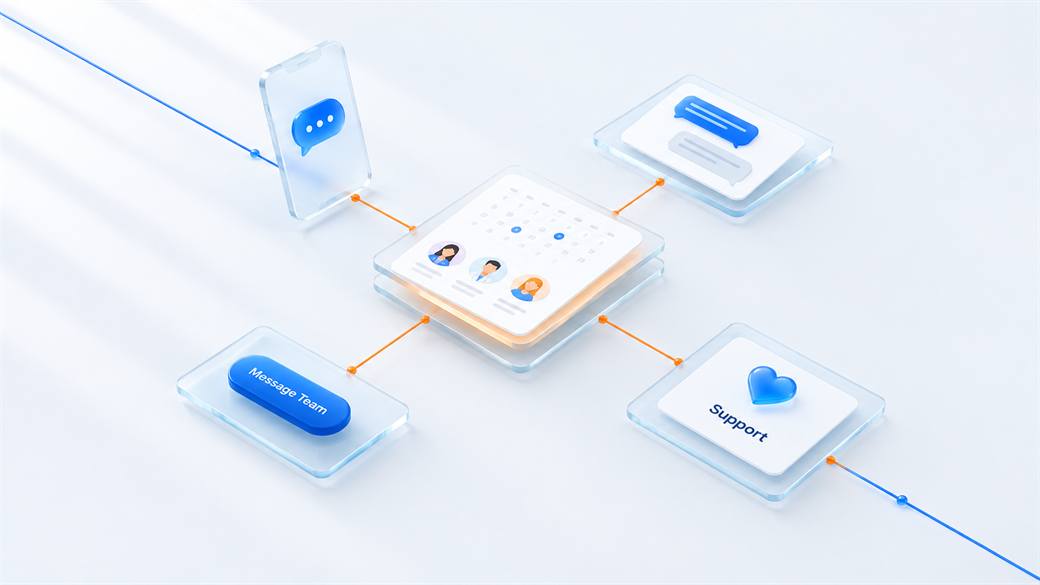
Families see visit schedules and care-team contacts. They can message the care team securely for real-time family engagement. After a death, the same channel carries bereavement outreach and supports compassionate end-of-life care.

Bereavement Management
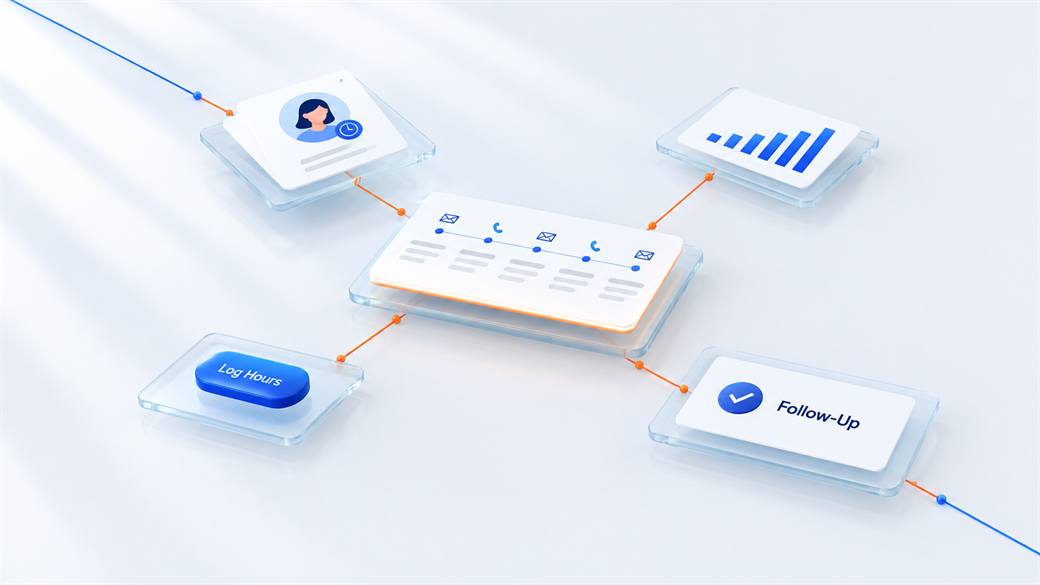
Support for families continues long after a death through bereavement caseload tools. Volunteer modules log training, assignments, and hours, letting coordinators manage schedules and spot staffing gaps before the next survey visit.

Eligibility, Election, and Certification Features That Keep Patients Covered
Every hospice stay starts with eligibility and a signed election. These features track whether a patient qualifies and when each notice or signature is due.

Election Statement and Addendum Tools
Since October 1, 2026, every election needs an addendum of unrelated conditions, items, services, and drugs. The election flow generates it and stores e-signatures with the physician's choice.

NOE and NOTR Deadline Countdowns
Hospices have 5 calendar days to file each notice and get it accepted after admission, discharge, or revocation. Software starts a countdown at the event and escalates late notices to managers.

Certification of Terminal Illness
Tasks open 15 days before a period starts (the earliest valid date). Written certification is due within 2 calendar days, or an oral one is logged first and signed before billing.

Benefit Period Tracking across Stays
Under the Medicare hospice benefit, two 90-day periods come first, followed by unlimited 60-day periods (42 CFR 418.21). The system counts periods across prior stays and sets recertification dates.

Face-to-Face Encounter Scheduling
A hospice physician or NP must see the patient no more than 30 days before the third period and each later one. Coded telehealth visits count through 2027, and attestations gate recertification.
Care Delivery and Quality Reporting Features for Hospice IDGs
From 15-day plan reviews to CAHPS exports, these tools keep care teams on schedule and quality scores where your hospice wants them to be.
IDG Plan-of-Care Reviews
How often must the IDG review a plan? As often as the patient's condition requires, and at least every 15 calendar days. Overdue reviews trigger an alert for the team.
HOPE Visit Timepoints
HOPE replaced HIS in 2025: admission within 5 days, HUV1 on days 6–15, HUV2 on days 16–30, and discharge. Severe symptom impact triggers a follow-up visit within 2 days.
HQRP Submission Tracking
Hospices that miss the 90% threshold for HOPE records accepted within 30 days lose 4% points of their annual update. Monthly tracking shows where each location stands.
CAHPS Survey Exports
CMS-approved survey vendors need decedent and caregiver files in their own format. Exports match each layout and include email fields for the optional web-mail mode, added in 2025.
Bereavement Plans of Care
Families can receive bereavement services for up to 1 year after a death (42 CFR 418.64). Each plan opens automatically at death, and every follow-up contact lands on the calendar.
Volunteer Hours Ledger
Volunteer hours must reach at least 5% of paid patient-care hours (42 CFR 418.78). A running ledger flags shortfalls early and keeps community volunteers involved in patient care.





Billing Features That Guard Your Hospice Cap
Per-diem payment leaves little room for billing mistakes or cap surprises. These features check each claim and warn before total payments trigger a repayment.
Medicare reimburses RHC, CHC, GIP, and inpatient respite separately. Pre-billing checks confirm CHC days reach 8 hours of mostly nursing care and respite runs no more than 5 days in a row.
Inpatient Cap Monitoring
GIP and respite days together cannot exceed 20% of total Medicare hospice days. With a running inpatient share for each cap year, finance teams can adjust admission plans long before the year closes.
SSVI Measure Tracking
Nine claims-based measures make up the new FY 2027 Service and Spending Variation Index. Internal versions of each measure reveal trends early, giving leaders time to talk through fixes with their teams.
Aggregate Cap Projections
For FY 2027, the cap sits at $36,174.75 per beneficiary, and the self-report is due 5 months after the cap year ends. Monthly projections protect reimbursement and limit repayment surprises.


Integrations That End Double Entry across Your Care Network
Each connection below removes a manual handoff. Your staff gets fewer phone calls, fewer faxes, and fewer errors between the bedside and the billing office.
Hospice Pharmacies & PBMs
Prescriptions, comfort-kit orders, and formulary checks flow through NCPDP SCRIPT on e-prescribing networks. With EPCS for controlled substances, prescribing providers and pharmacists work from one order.
Learn MoreDME Supplier Connections
Whether a hospital bed or an oxygen concentrator is on the way, nurses can see its status without calling the vendor. Orders, delivery updates, and pickups move through supplier APIs, HL7 v2, or secure files.
Learn MoreHospitals and Health Systems
Referrals, admissions, discharges, and clinical summaries arrive through HL7 v2 ADT, C-CDA, and FHIR R4. Handoffs between organizations speed up, and clinicians see the full history they need on day one.
Learn MoreHealth Information Exchanges
New admissions rarely start from a blank page once HIEs connect via FHIR R4, C-CDA, or HIE-specific APIs. Patient history and care-team alerts arrive, along with fuller healthcare records from other settings.
Learn MoreCMS iQIES Submissions
HOPE Admission, Update Visit, and Discharge records reach iQIES as the XML files CMS data specifications define. Final Validation Report errors map back to each record, so staff can fix rejections fast.
Learn MoreMedicare Administrative Contractors
Claims and remittances travel as X12 837I and 835 files; NOEs and NOTRs follow CMS's 837I NOE companion guide or go through DDE. Payment status returns to each record for faster reconciliation.
Learn MoreCurrent Hospice EMR Platforms
Many hospices run WellSky, Homecare Homebase, Axxess Hospice, MatrixCare, or Netsmart. Modules and data solutions can work alongside these platforms, with scope set by each vendor's API access and terms.
Learn MoreHR, Payroll, and Scheduling Tools
Staff hours, visit pay, and volunteer hours sync through REST APIs or flat-file exports. Payroll stays tied to completed visits, and HR knows which employees need new training or a license renewal soon.
Learn MoreWhat Hospice Teams Gain from Purpose-Built Software
Hospice agencies that move CMS rules into everyday tools face fewer denied claims.
Audit-Ready Documentation
Structured prompts capture the findings behind a six-month prognosis. One export gathers certifications and notes for audits.
Less Charting Time
Pre-filled fields and visit templates fit each clinical workflow and cut bedside typing. More notes get finished during the visit, not late at night.
More Time for Patients
With deadlines and administrative tasks off their plates, clinicians return to patient care. Families get faster answers, and patient outcomes improve.
Our Healthcare Projects to Delve Into
View All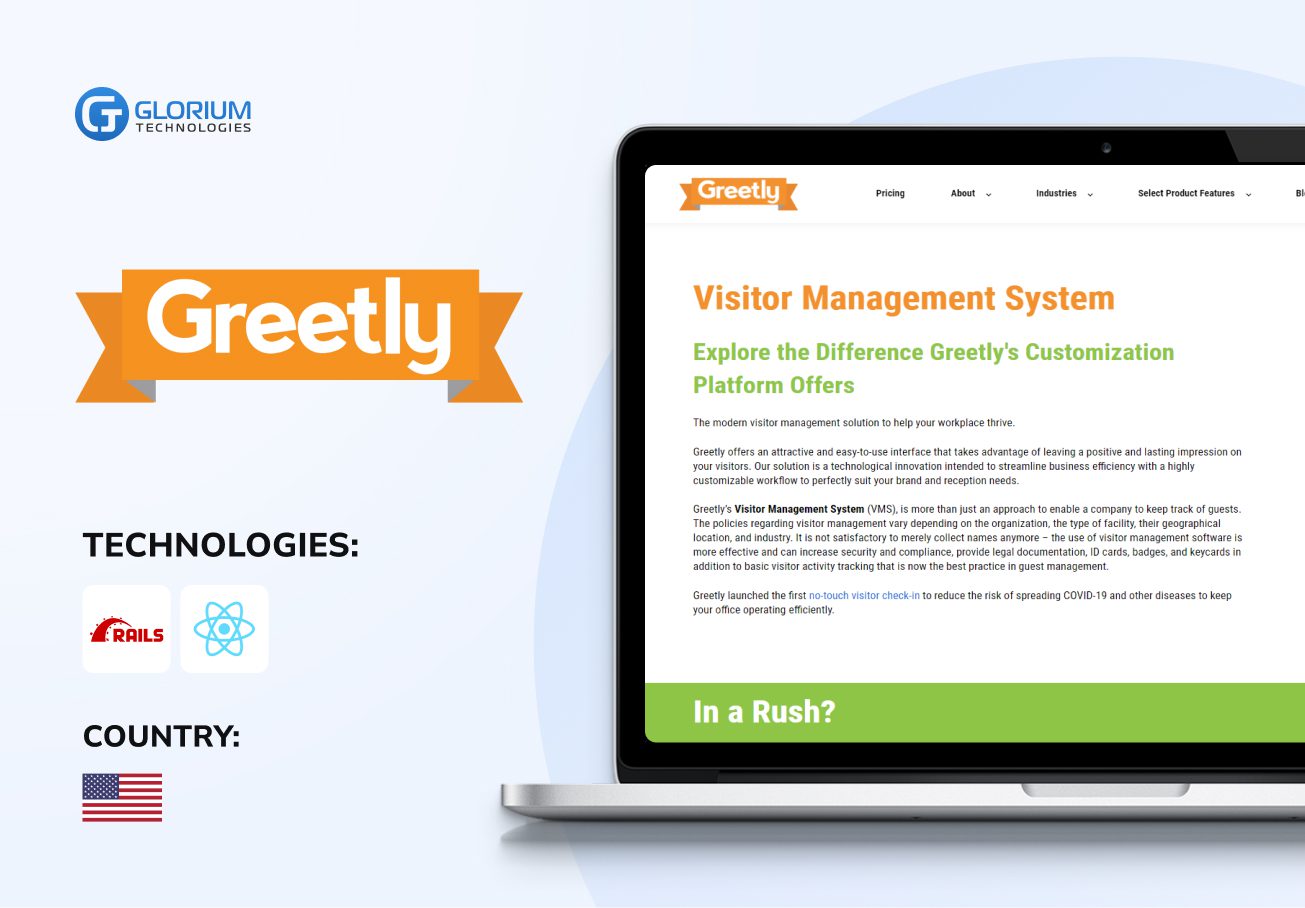
Customizable Visitor Management System
Read the Full Success Story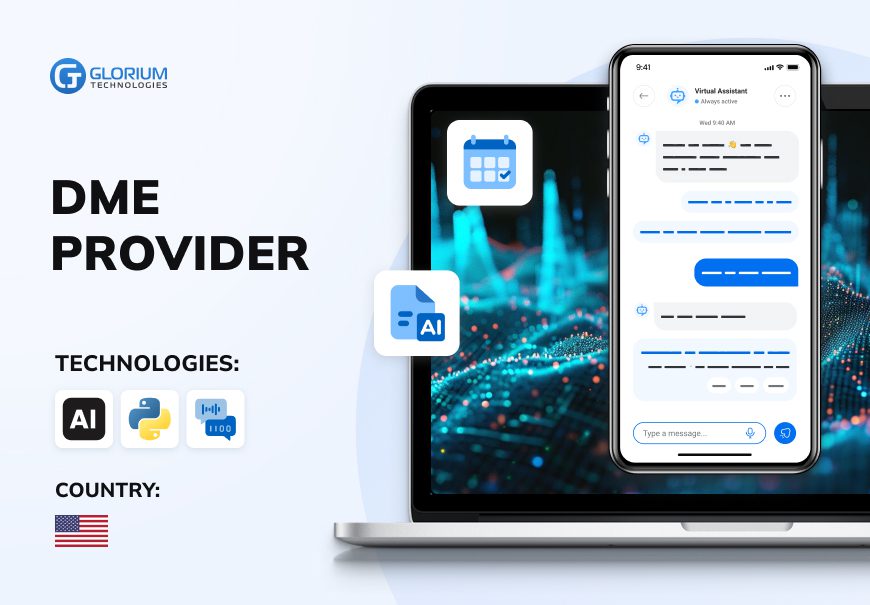
Custom AI Agent for Patient Scheduling
Read the Full Success Story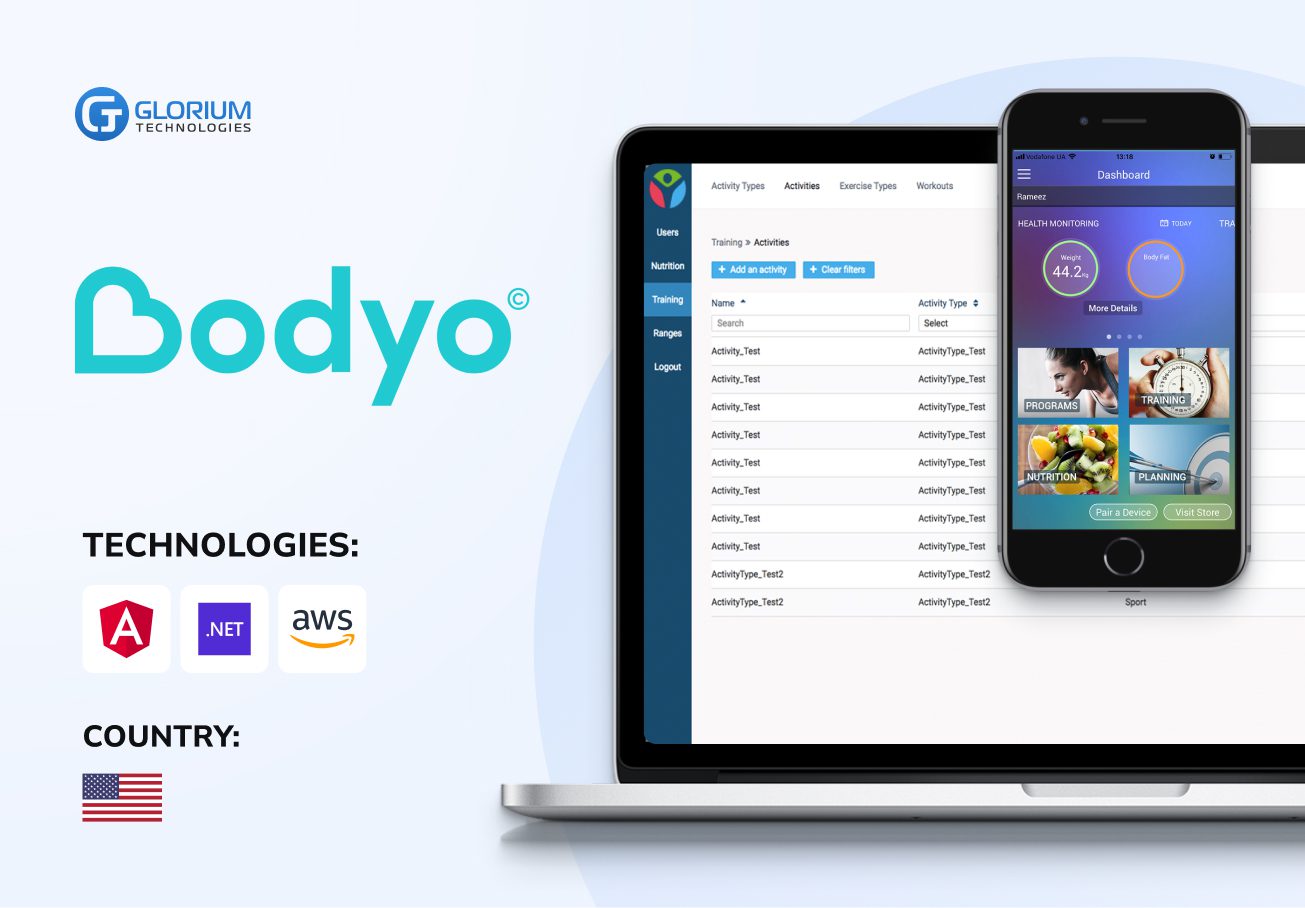
Health Monitoring and Tracking Platform
Read the Full Success Story
Protecting Patient Information from the Bedside to the Billing Office
Field devices, shared homes, and family portals widen the attack surface. Security controls cover each one, from the first sprint to the latest release.
 HIPAA-Aligned Design with a Signed BAA
- Encrypted Data at Rest and in Transit
- Role-Based Access with Break-Glass Logs
- Audit Trails for Every View and Edit
- EPCS Signing That Meets DEA Standards
- ISO 27001- & 13485-Certified Processes
- ONC-Ready Design for Certified Health IT
- Remote Wipe for Lost Hospice Tablets
- Record Retention for the Full Life Cycle
Our Seven-Step Hospice Care Software Delivery Process
Work starts with your workflows, moves through tests with your clinicians, and continues after a phased launch, so care never pauses.

Analysts shadow intake, IDG, field, and billing staff, then map each workflow to the CMS rule behind it before any code is written.
Feedback from the Teams Behind Our Healthcare Projects


Dental Clinic
We got a quality business analysis, recommendations on how to improve our project, the flawless implementation of the set tasks, and product testing at all stages of development.


Telemedicine Service Provider
When working with Glorium Tech, be prepared for the developers to offer you extremely interesting solutions that will make your project truly unique and innovative.

Medical Laboratory
Glorium team met all our requirements and made the app compliant with GDPR. They have an absolute understanding of all the features of software solutions for the healthcare industry.
Healthcare Company
The software is a SaaS product used to manage healthcare. It allows users to create a patient form, photograph exams, and schedule appointments.
Fewer Late NOEs Start with a Review
Share your biggest workflow gaps and get a scoped plan with a timeline and budget for each fix.


