
Healthcare Scheduling Software
Staff Scheduling That Cuts Overtime
Overtime creeping up, open shifts piling on, nurses burning out? Custom healthcare scheduling software fills gaps sooner, keeps labor costs in check, and spreads nights and weekends fairly across every team.


Our Milestones & Achievements





- 150+
Products Delivered
Health software delivered to global startups and enterprises since 2010
- 4.8 Rating
Based on Clutch Reviews
30+ reviews highlight our on-time delivery, proactive comms, and agility
- 60+
Awards and Certifications
Inc. 5000 (2020–2023) and IAOP Global Outsourcing 100 (2025, 2026)
- Five
Trust Credentials
ISO 13485, 27001, and 9001, plus AWS and Microsoft partner status
Accelerate Software Development by Up to 60% with AI-Driven SDLC

Launch products up to 60% faster

Add up to 60% more features

Same budget and no extra hires

80-100% AI-generated code

Copyright compliance

Cost-per-feature tracked every sprint

SAST + security review on every commit

Multi-layer AI + human review

SOC 2 / HIPAA-ready
Why Healthcare Scheduling Needs Its Own Software
Every shift in the healthcare industry carries legal, financial, and clinical weight. Here are three reasons traditional scheduling tools struggle to carry it.
Rules Change by State
Union contracts, California nurse ratios, FLSA overtime, and resident duty hours all shape a schedule. Generic tools can't hold that logic, so managers fall back on manual scheduling.
Turnover Costs Add Up Quickly
RN turnover reached 17.6% in 2025, and losing one nurse costs about $60,090, per the 2026 NSI report. Unpredictable schedules push healthcare employees toward the exit.
Data Lives in Multiple Systems
Census sits in the EHR, credentials in the medical staff office, and hours in UKG or ADP. When scheduling can't read those systems, coordinators retype data and errors hit payroll.


Full-Cycle Development Services for Healthcare Scheduling Platforms
Our team designs, builds, and connects your scheduling tools, then keeps them current after launch. As contracts change and new units or sites open, the software adapts with them.

Custom Development
We build staff scheduling software from scratch or add custom modules to the tools you already run. Workforce-tech startups can get MVPs and SaaS products ready for enterprise pilots and scale.

EHR Integration
Census, ADT events, OR cases, and provider data flow in from Epic, the athenahealth practice management system, and Oracle Health (Cerner) through HL7 v2 and FHIR interfaces our team monitors.

Payroll Integration
Is overtime still keyed in by hand? Connect your employee scheduling software with Workday, UKG (formerly Kronos), and ADP, so worked hours and differentials can reach payroll directly.

Legacy Migration
Moving off spreadsheets, Access databases, or older scheduling methods takes care. Data migration, parallel runs, and a phased rollout keep coverage and payroll stable during the whole switch.

Support and Maintenance
After launch, our engineers monitor interfaces, update rules when contracts change, and ship new features on a steady release cycle. An SLA sets response times that match your operating hours.

Healthcare Scheduling Software Solutions We Build
Choose one module or combine several into a full platform. Each solution supports flexible scheduling and fits the scheduling workflows your teams already follow.

Physician Scheduling
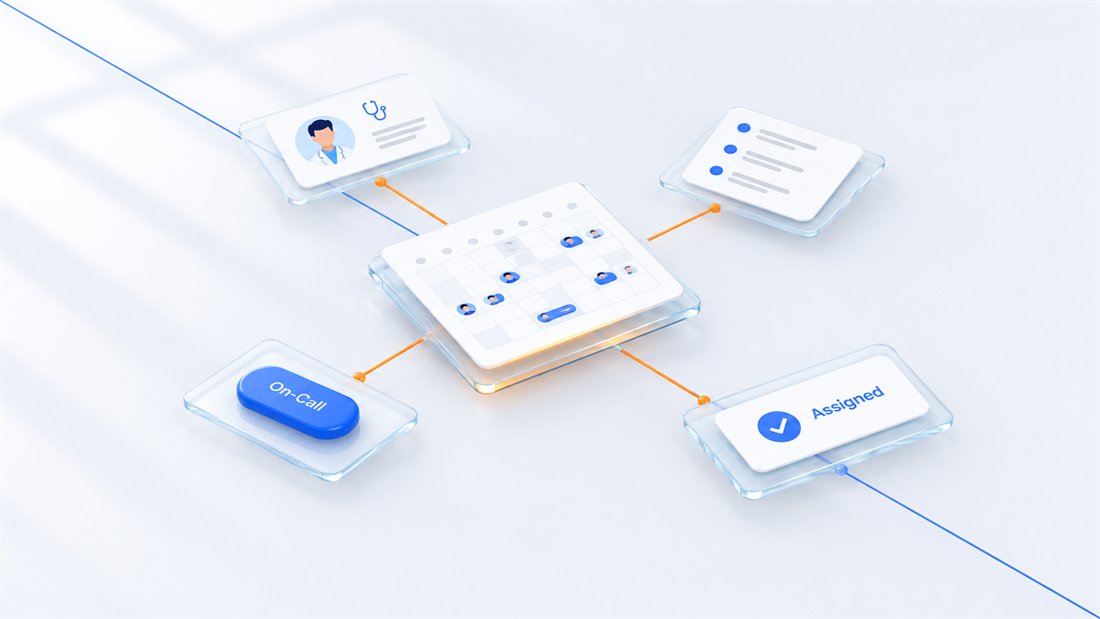
Build on-call, shift, and rotation provider schedules for hospitalists, anesthesia, emergency medicine, and residency programs. Call pools and clinic sessions live in one place, and provider availability management shows who can respond.

Nurse Self-Scheduling
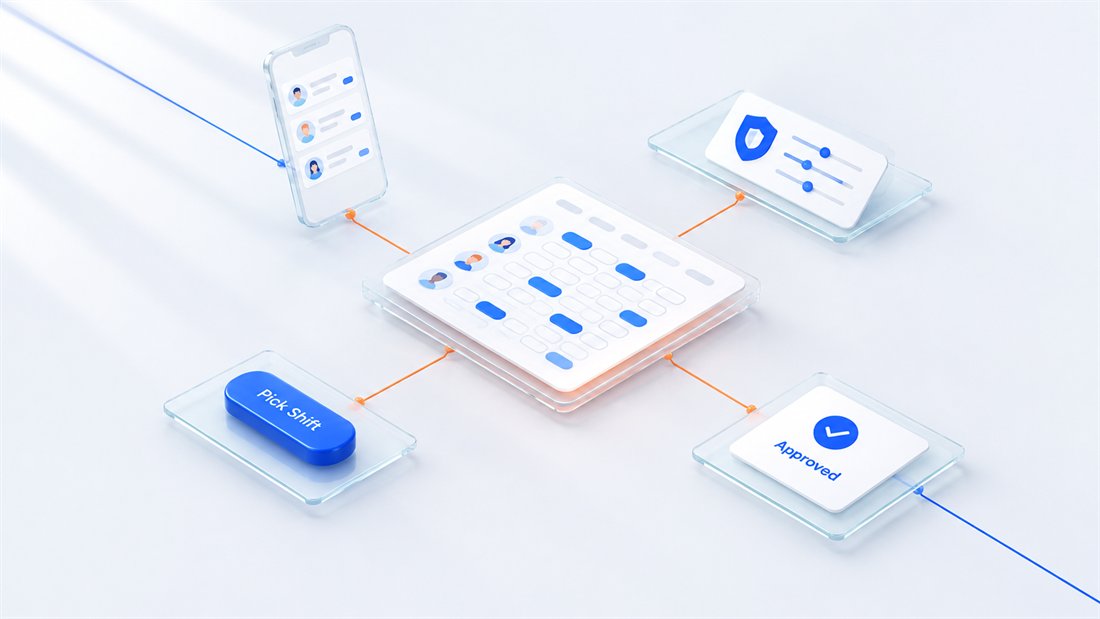
With self-scheduling, nurses pick shifts inside guardrails you set, such as core hours, weekend quotas, skill mix, and seniority. This flexible staff scheduling gives managers a draft that already respects policy and shortens each period.

Census-Based Staffing
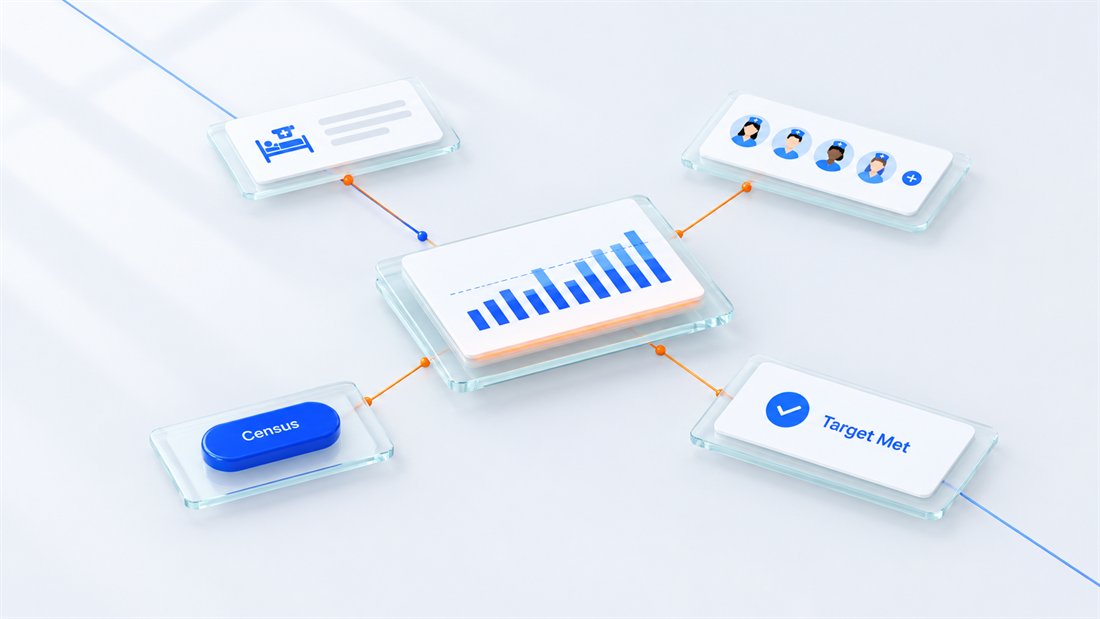
How many nurses does each unit need tonight? The system answers by turning census, admissions, patient volume, and acuity scores into staffing targets per shift, so coordinators spot shortfalls hours ahead and fill them with core staff first.

Float Pool Management
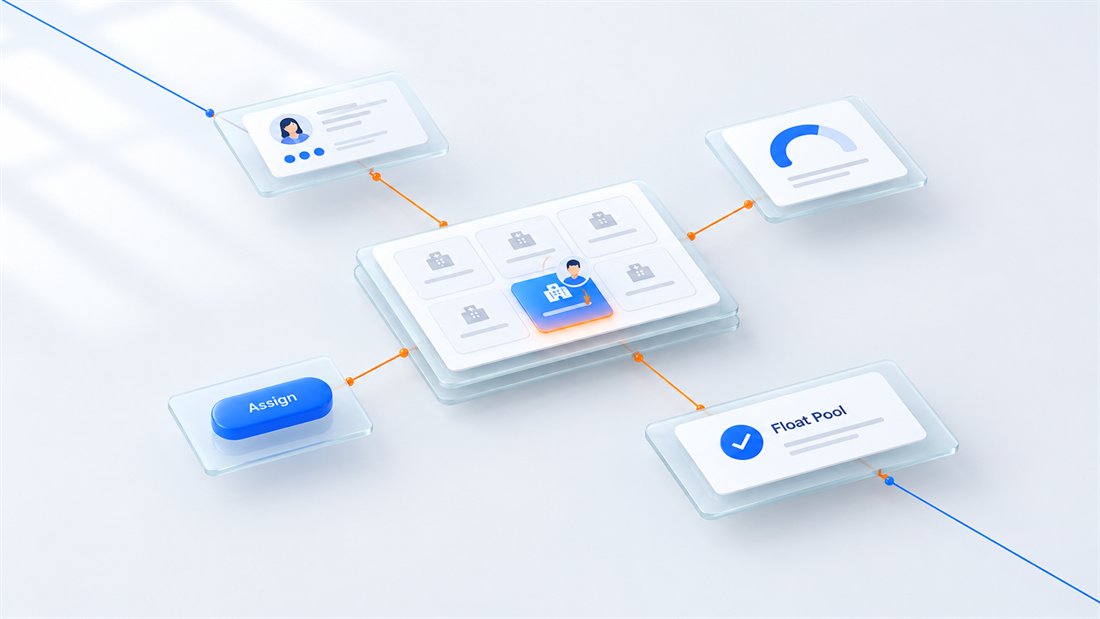
Float, resource, and per diem staff get their own availability, competencies, and pay rules inside the platform. The software sends them where demand is highest, tracks every hour against budget, and reduces the need for costly agency shifts.

Credential Management
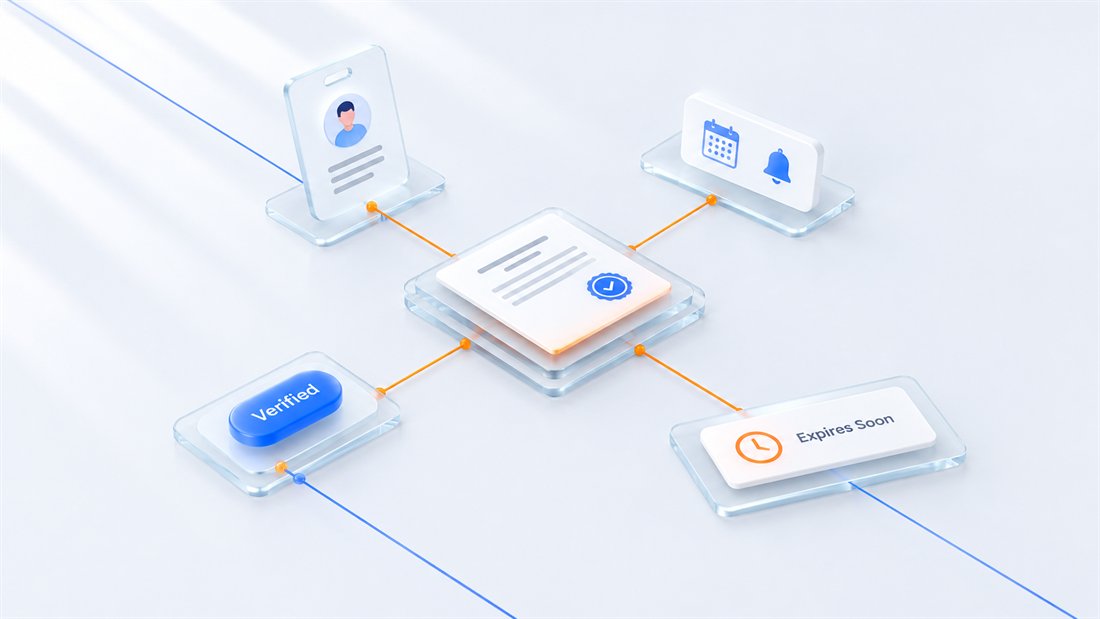
Licenses, BLS and ACLS cards, unit competencies, privileges, and mandatory training are tracked for every clinician. Assignments are blocked when an item is missing, and alerts reach staff 30, 60, or 90 days before anything expires.

OR and Room Scheduling
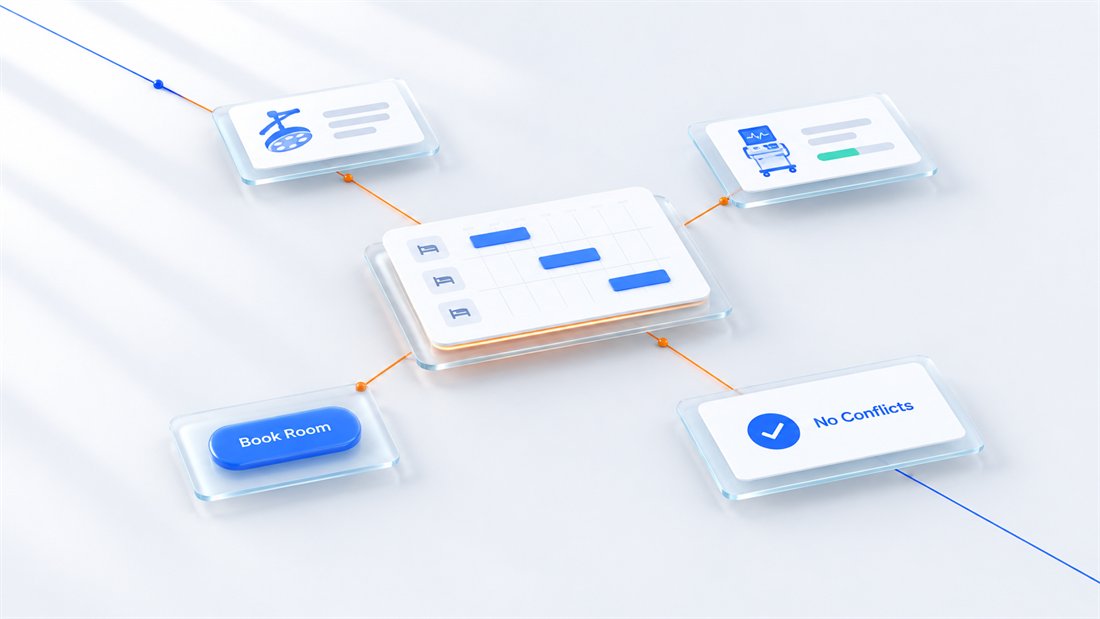
Surgical services teams manage block scheduling, block release rules, and utilization for operating rooms, procedure suites, and shared equipment. Each case is checked against room, team, and device availability to prevent double bookings.

AI Demand Forecasting
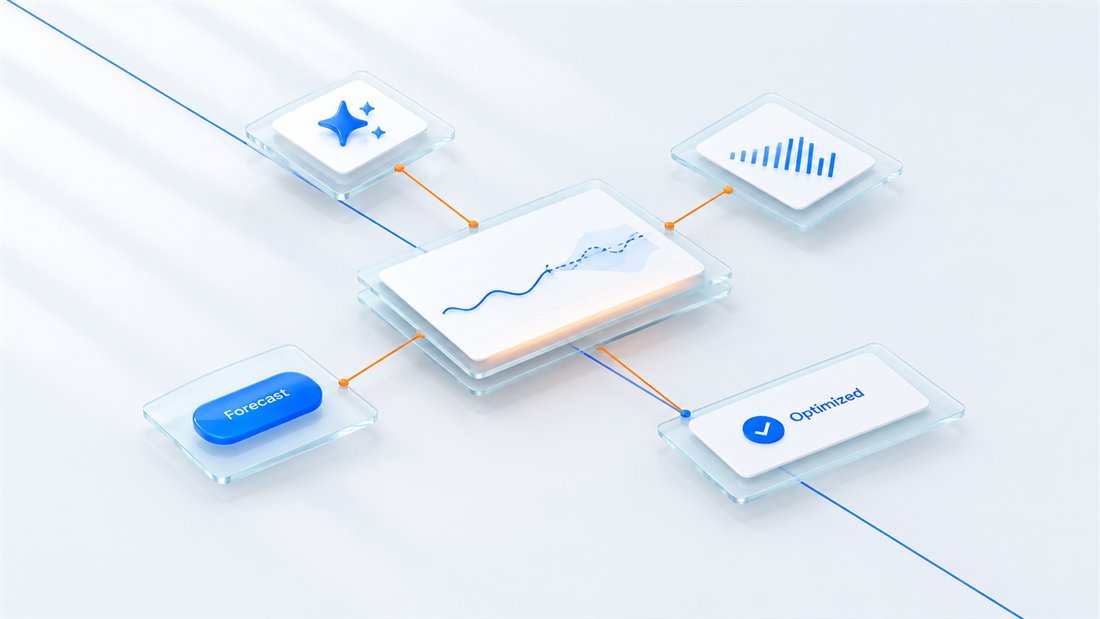
Forecasting models learn patient demand from your historical census, seasonality, and admission patterns. Optimization then powers automated scheduling that meets targets at the lowest premium labor cost, while managers keep final approval.

Mobile Shift Apps
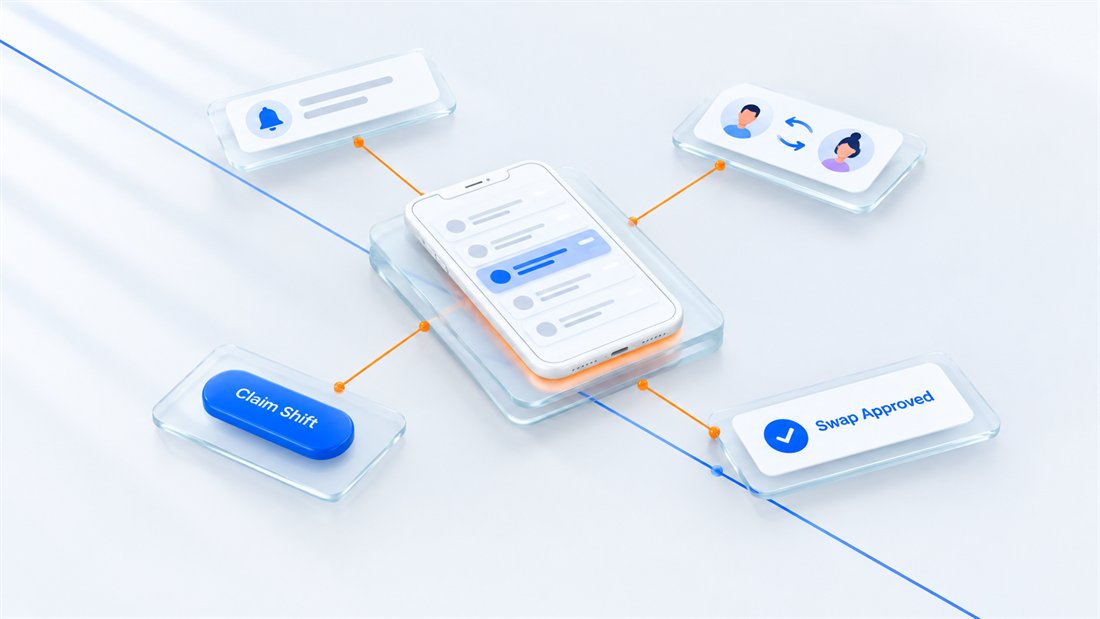
Our healthcare scheduling app for iOS and Android lets staff receive open-shift alerts, request swaps, update availability, and claim pickup bonuses anywhere. Every swap passes the same rule checks as the master schedule before approval.

Callout Management
When someone calls out, or census spikes mid-shift, real-time scheduling lists qualified replacements who fit ratios and overtime limits. Managers preview the impact on other units, approve the change, and notify affected staff in one step.
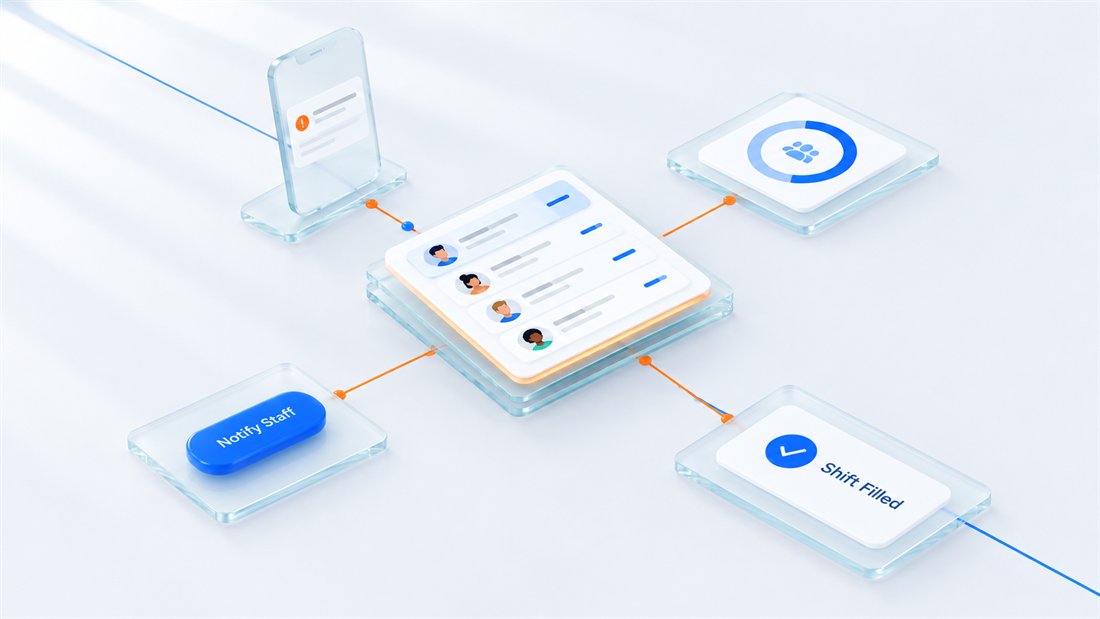

Agency Platforms
Healthcare staffing agencies and workforce-tech startups get multi-client platforms for travel nurse, per diem, and locum placements. Credential files, client bill rates, shift fulfillment, and timesheets stay together in one secure system.
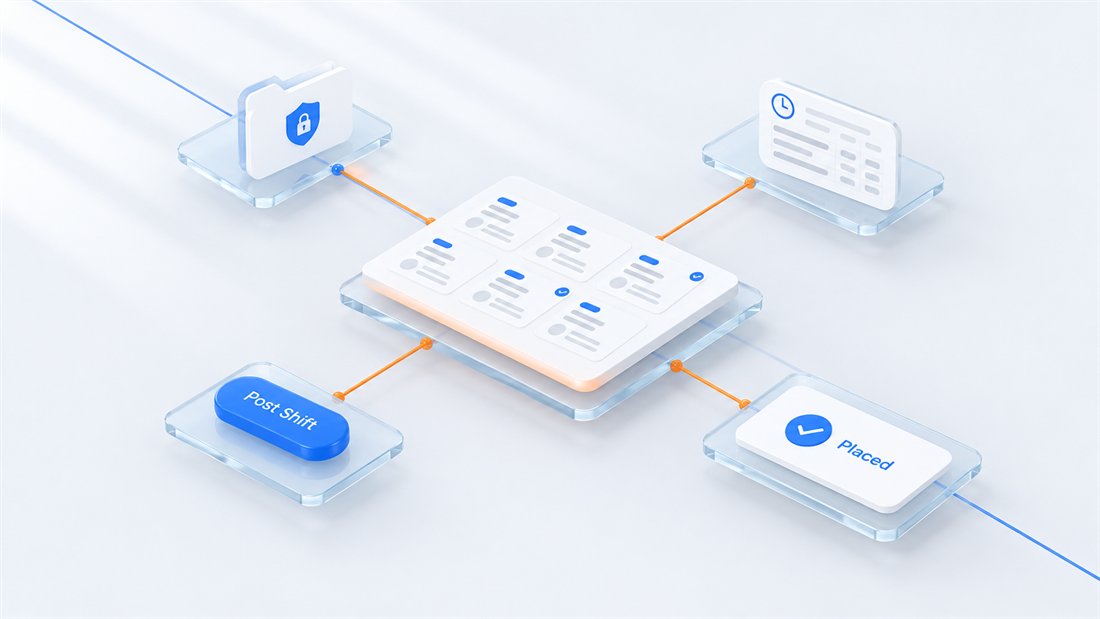
Core Features of Healthcare Staff Scheduling Software
Planners, charge nurses, and other healthcare teams use these tools to build schedules, fill gaps, and keep every assignment within policy.
Rule Engine
Built into our medical staff scheduling software, it blocks or flags shifts that break contract terms, consecutive-shift caps, minimum rest periods, or overtime thresholds. HR sets each rule once, and it applies everywhere.
Learn MoreCredential Matching
Before an assignment is saved, our healthcare employee scheduling software checks licenses, certifications, privileges, and unit orientation. Only staff who meet each unit's requirements can be placed.
Learn MoreOn-Call Templates
Department chairs and chief residents set up call, rotation, and block patterns only once. Templates then automate shift scheduling for months ahead, spreading weekends, nights, and holidays evenly across the team.
Learn MoreCalendar and Gantt Views
Need a daily snapshot or a view across several weeks? Online scheduling views switch between calendar, Gantt, and timeline layouts, showing the same schedule by day, person, or unit for every planning task you run.
Learn MoreAutomatic Conflict Detection
Scheduling conflicts like overlapping shifts and assignments that clash with approved leave or another site are flagged the moment they appear. Schedulers fix each one before publishing, long before anyone shows up.
Learn MoreOpen Shifts and Swaps
Open shifts reach qualified staff via text or app in contract order, replacing phone calls and group texts. Automated rule checks filter swap requests first, letting managers approve only ratio-compliant trades.
Learn MoreReplacement Finder
When a nurse calls out, house supervisors see a ranked list of available and credentialed replacements. Contract order and cost are already factored in, which turns a phone-tree scramble into a quick decision.
Learn MoreCensus-Based Targets
ADT activity, census counts, and acuity scores convert into required hours per patient day and headcount for each shift. Staffing coordinators and CNOs compare those targets with the current schedule in real time.
Learn MoreAnalytics and Audit Features Built on Daily Scheduling Data
Daily staffing activity feeds dashboards, cost reports, and audit records, so leaders catch coverage risks and premium labor trends before they hit the budget.
Coverage Dashboards
Our hospital scheduling software shows filled, open, and at-risk shifts for every location, refreshed throughout the day. You know where to move staff before coverage gaps form.
What-If Impact Simulation
Preview any proposed change. The simulation shows how coverage, nurse ratios, overtime hours, and neighboring units shift, so managers avoid fixes that open new gaps.
Agency Cost Tracking
How much did premium labor cost this pay period? Finance teams see agency and overtime spend by unit and budget line, which makes cost-reduction goals easy to measure.
Preference Scoring
The platform tracks how evenly nights, weekends, holidays, and call are distributed across each team. Managers and union stewards review the same scores.
Compliance Reporting
Audit trails log every schedule change, approval, and override with a timestamp and user. Compliance, HR, and quality teams pull ready reports for Joint Commission surveys.
Multi-Entity Management
Hospital networks and staffing agencies run separate rules, cost centers, and pay codes across multiple locations, while leadership still sees combined reports for the organization.




Integrations That Sync Every Shift with Your Electronic Health Records
Census, credentials, punches, and payroll hours move between systems automatically, removing administrative tasks. We confirm options during discovery, based on your licenses.
 Epic: Census, ADT, & OR Case Schedules
- Oracle Health (Cerner): ADT and Cases
- athenahealth: Practice Management Data
- Workday: Employee Records and Job Data
- UKG (Kronos): Time Punches, Pay Rules
- ADP: Payroll Hours and Shift Premiums
- Credentialing and State License Sources
- Agency & VMS Platforms: Open Requests
- Patient Scheduling Platforms: Bookings
Where Patient Scheduling Meets Your Staff Capacity
We connect patient appointment scheduling to your staff, room, and equipment calendars, so your patient flow matches the capacity you have on hand.
Patient self-scheduling allows for 24/7 appointment booking through your website, app, or patient portal. Since it reads staffing data, new patient appointments land only in sessions with enough clinicians on duty.
- Booking from your website, app, or portal
- Open slots tied to live staffing levels
- Rules for visit types, durations, and buffers
- Waitlists that refill canceled slots
Text, email, and voice messages go out on a schedule you set, which helps reduce no-shows and late cancellations. Two-way patient communication lets people confirm, cancel, or reschedule a visit without waiting for a busy front desk.
- SMS, email, and voice reminder channels
- Two-way confirm, cancel, and reschedule options
- Custom reminder timing by visit type
- Freed slots reopened for new bookings
We automate patient intake with online forms, consent capture, and insurance verification before each visit. Front-desk teams spend less time on paperwork, check-in moves faster, and clinicians start appointments on time with the right details at hand.
- Online forms completed before arrival
- Eligibility checks ahead of the visit
- E-signatures for consents and policies
- Intake answers mapped into your EHR fields
Intake and payment capabilities let patients settle copays and balances at the moment they book. Payments alongside scheduling also feed your revenue cycle management tools, so billing staff spend less time chasing payments after each visit.
- Copay collection at booking or check-in
- Card-on-file and payment plan options
- Payment status synced to billing systems
- Fewer unpaid balances after each visit
Bookings sync with your practice management software, so patient management records, patient data, and provider calendars stay aligned with staffing levels. Front-desk, clinical, and scheduling teams all work from one shared view of every clinic day.
- Two-way sync with PM and EHR systems
- One record per patient across all clinics
- Provider calendars matched to staff shifts
- Role-based access to patient details
Patient appointment management and staff schedules share one capacity management view. When appointment scheduling outpaces coverage, managers add clinic sessions or extra staff in advance, and quiet days get trimmed before labor costs climb.
- Booked visits vs. scheduled staff by day
- Alerts when bookings outpace coverage
- Session and staffing changes in one step
- Trends by clinic, provider, and visit type
Shorter waits and fewer last-minute cancellations improve the patient experience at every visit. Steady staffing, timely updates, and easy rescheduling support patient engagement between visits and contribute to higher patient satisfaction scores.
- Shorter waits from right-sized clinic sessions
- Proactive updates on delays and changes
- Self-service rescheduling from any device
- Feedback surveys after each visit
Our Scheduling Software Projects and Beyond
View All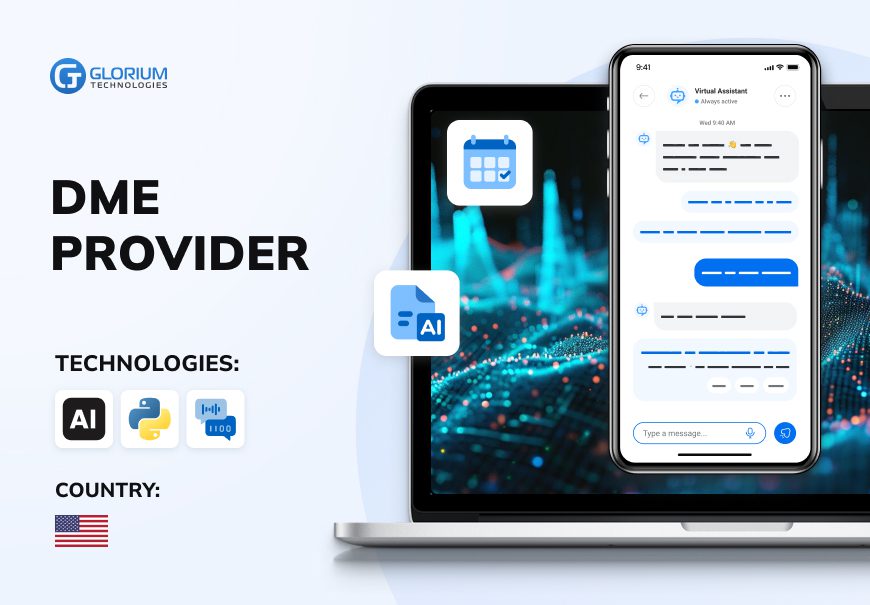
AI-Powered Virtual Assistant for Patient Scheduling
To eliminate high call center volume and costly missed appointments for a US durable medical equipment (DME) provider, we built a custom generative and predictive AI scheduling assistant. The 24/7 self-service solution cut support calls by 55% and reduced the negative impact of no-shows by 73%.
Read the Full Success Story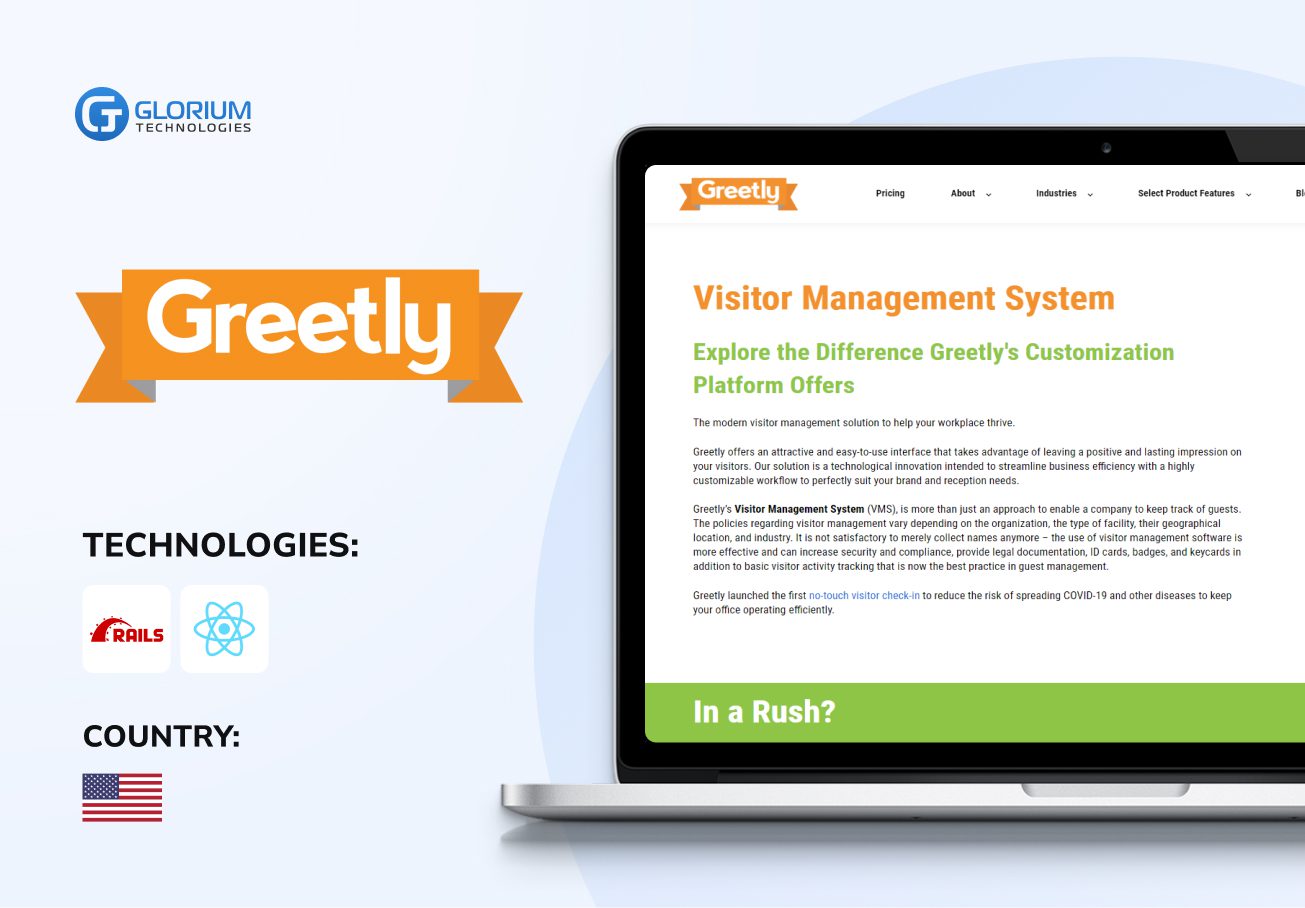
Highly Customizable Visitor Management Platform
We built a customizable visitor management platform for Greetly that enables fast, secure check-ins for global SMB and enterprise clients. By combining branded visual styling, custom workflows, and cloud integrations, the solution eliminates rigid check-in flows and heavy front-desk admin.
Read the Full Success Story
Every Staffing Rule You Follow, Enforced by Workforce Management Logic
In healthcare staff scheduling, every rule carries regulatory, contract, or clinical risk. We turn each one into tested logic before anyone signs the schedule.

State Nurse Staffing Ratios
California's Title 22 sets nurse-to-patient minimums by unit, such as 1:2 in ICU and 1:5 on med-surg floors. The platform checks ratios against live census, including break coverage.

Census and Acuity Staffing
Internal staffing grids and acuity scores turn census and patient complexity into required nursing hours. Targets update automatically as ADT events and acuity data arrive from the EHR.

FLSA Overtime Rules
Under DOL rules, hospitals may pay overtime by the 40-hour workweek or the 8 and 80 system. The software stores each employee's overtime basis and applies it before any shift is offered.

Fatigue and Rest Policies
Policy owners set maximum consecutive shifts, minimum rest between shifts, and caps on back-to-back nights. Each rule can be a hard stop or a soft warning, depending on the role and unit.

Collective Bargaining Agreements
Seniority order, weekend rotation, holiday equity, and premium pay triggers become versioned rule sets. A new union contract takes effect on its start date without rebuilding any schedules.

ACGME Resident Duty Hours
Under ACGME rules, residents work up to 80 hours a week averaged over four weeks, with one day in seven free. Call builders flag breaches early and log hours for ACGME program reporting.

Travel Nurse and Agency Staff Rules
Contract dates, bill rates, guaranteed hours, and orientation status are stored for each travel nurse or locum. Agency staff appear in the same schedule, with their own rules and cost codes.
Credentialing and Privileging
Active licenses, board certifications, competencies, and hospital privileges are checked for every provider. Missing or expired items block assignment and alert the medical staff office.
Who We Build Scheduling Software For
Whether you serve healthcare providers as a staffing marketplace or run dozens of units, we shape the platform around your teams and contracts.
Hospitals and Health Systems
- Enterprise nurse and tech scheduling
- Census-based staffing for every unit
- House supervisor coverage dashboards
Medical Staff Offices
- On-call schedules synced to the operator
- Privilege-aware provider assignment
- Residency rotations within ACGME limits
Multi-Site Clinic Networks
- Plans for ambulatory care centers
- Cross-site provider rotation planning
- Clinic sessions matched to staffing
Home Health Care
- Caregiver scheduling by visit window
- Credential tracking for field staff
- Links to your home care software
Healthcare Staffing Agencies
- Multi-client shift marketplaces
- Credential vaults for travel clinicians
- Timesheets and client billing exports
Healthcare Tech Startups
- HIPAA-ready MVPs for enterprise pilots
- Scalable multi-tenant SaaS platforms
- EHR and payroll integrations from launch


Our Phased Approach to Building Your Platform
A phased rollout keeps coverage and pay stable while your teams test, refine, and adopt new medical scheduling software.
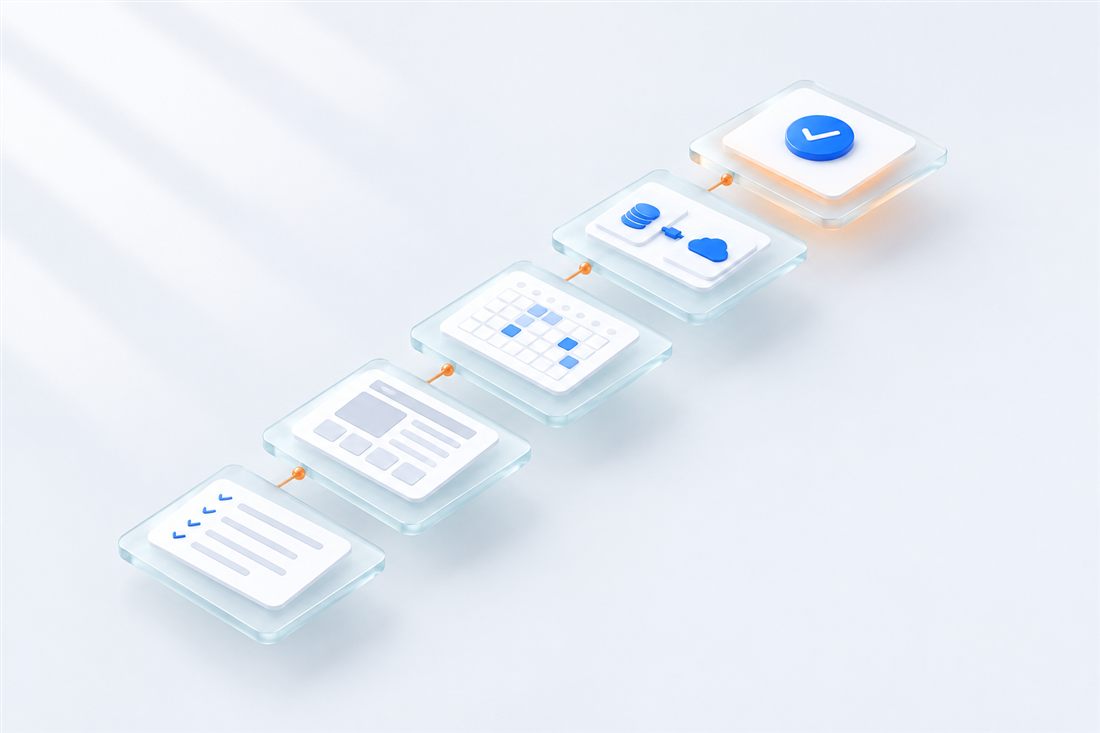
We sign a business associate agreement, interview schedulers, HR, and payroll, then log every rule and data source in one catalog.
Feedback from the Teams Behind Our Healthcare Projects


Dental Clinic
We got a quality business analysis, recommendations on how to improve our project, the flawless implementation of the set tasks, and product testing at all stages of development.


Telemedicine Service Provider
When working with Glorium Tech, be prepared for the developers to offer you extremely interesting solutions that will make your project truly unique and innovative.

Medical Laboratory
Glorium team met all our requirements and made the app compliant with GDPR. They have an absolute understanding of all the features of software solutions for the healthcare industry.
Healthcare Company
The software is a SaaS product used to manage healthcare. It allows users to create a patient form, photograph exams, and schedule appointments.
Turn Your Staffing Rules into Software
Book a free call to see how custom scheduling software for healthcare can enforce all your rules.


