

Official Odoo partner: A certified Odoo team with hands-on implementation experience and full platform know-how
30% Shorter Cycle Times with Odoo for Logistics Company
Client Overview
When Warehouse Growth Turns “Simple Ops” Into Daily Exceptions
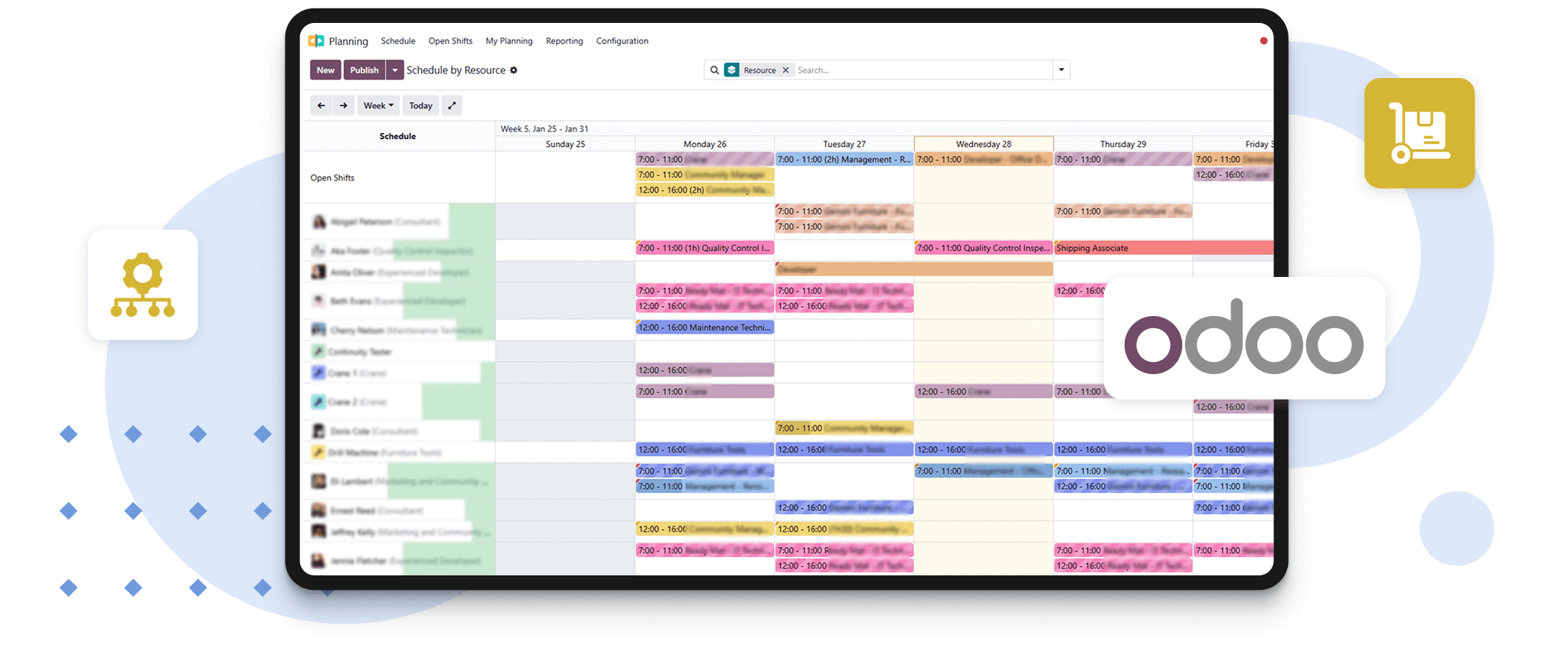
The client runs day-to-day logistics for multiple warehouse facilities, with dispatch teams coordinating inbound receipts, storage, picking, cross-docking, and outbound deliveries. As volumes grew, the operation became harder to control with disconnected tools. Their team needed one system to keep warehouse data, shipment status, and financials aligned in real time.
Challenge
Disconnected Systems Slowed Picking, Tracking, and Invoicing
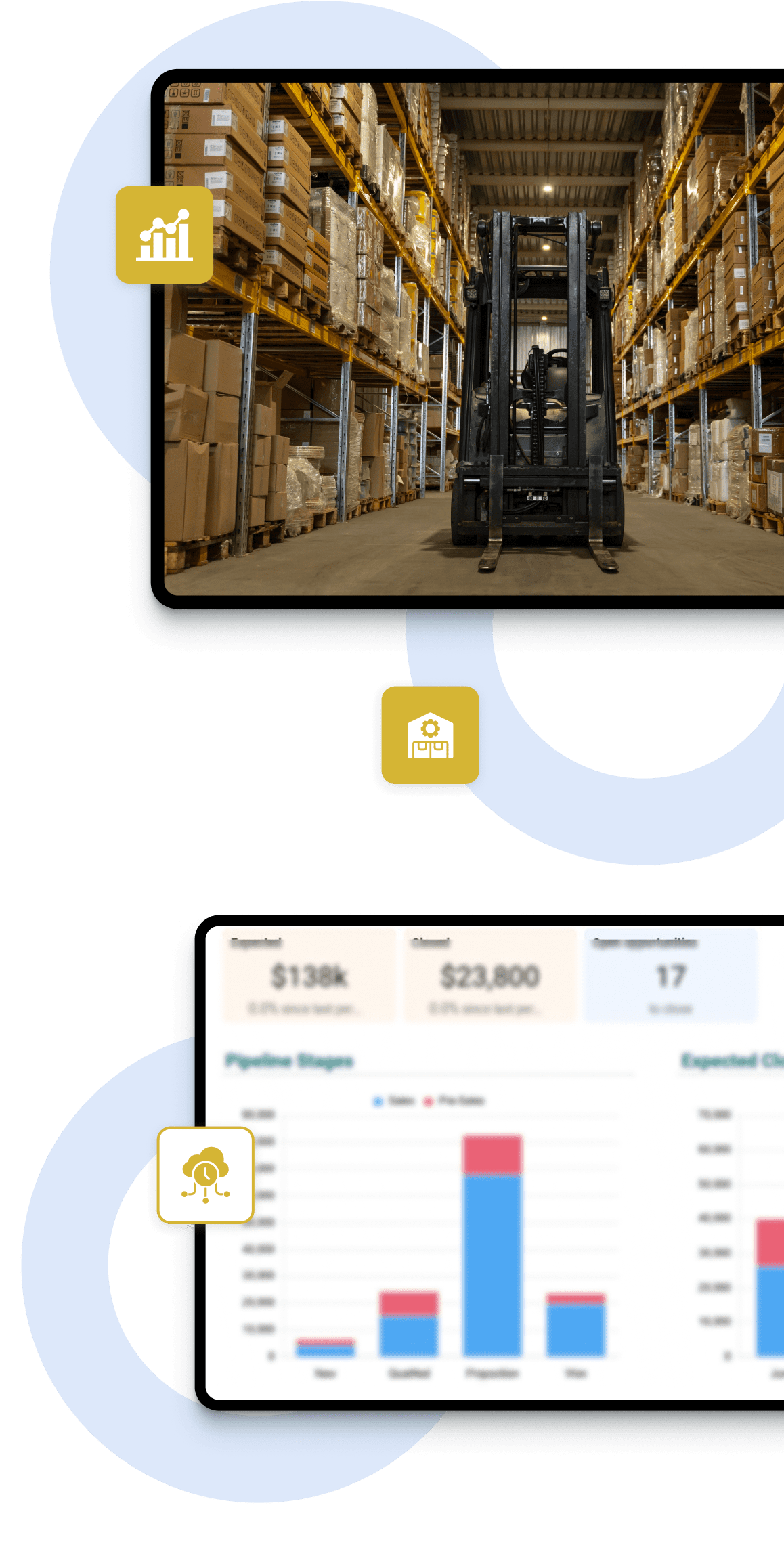
Before implementing Odoo, the company handled day-to-day logistics using spreadsheets and separate tools owned by different teams. That slowed picking and shipping, made tracking unreliable, and turned invoicing into a manual catch-up task.
The key challenges the client faced included:
- Manual work and repeated data entry: Teams retyped the same shipment and inventory details across tools, which increased errors and slowed daily execution
- Inventory inconsistencies across locations: Stock levels drifted because updates were delayed, and reconciliation happened too late to support real dispatch decisions
- Weak shipment visibility: Delivery status lived in messages and calls, so support teams had to chase updates instead of using a single tracking view
- Poor coordination between ops and finance: Billing often started after the fact, with missing details and unclear costs for complex deliveries
- Limited cost and margin control: Without timely, linked operational and financial data, it was hard to track true shipment costs and protect margins
The cumulative effect of these issues was slower cycle times, higher overhead, delayed cash collection, and a tougher customer experience when shipment updates were needed fast. Over time, it became clear that fixing these gaps with disconnected tools would not scale. The team needed an integrated system, and implementing an Odoo module for logistics configuration was the most practical way to unify warehouse execution, shipment visibility, and billing into one flow.
Why They Chose Glorium Technologies
Odoo Logistic Partnership that Delivers Results
Custom solutions on Odoo: Tailored configurations, upgrade-safe custom modules, and integrations built around the client’s workflows
Scalable delivery: A setup designed to support more warehouses, higher shipment volume, and new processes as the business grows
150+ Successful projects
99% Client satisfaction rate
Expertise in Logistics & Transportation
Compliant infrastructure

Solution
One Odoo Logistics Backbone for Warehouses, Dispatch, and Finance
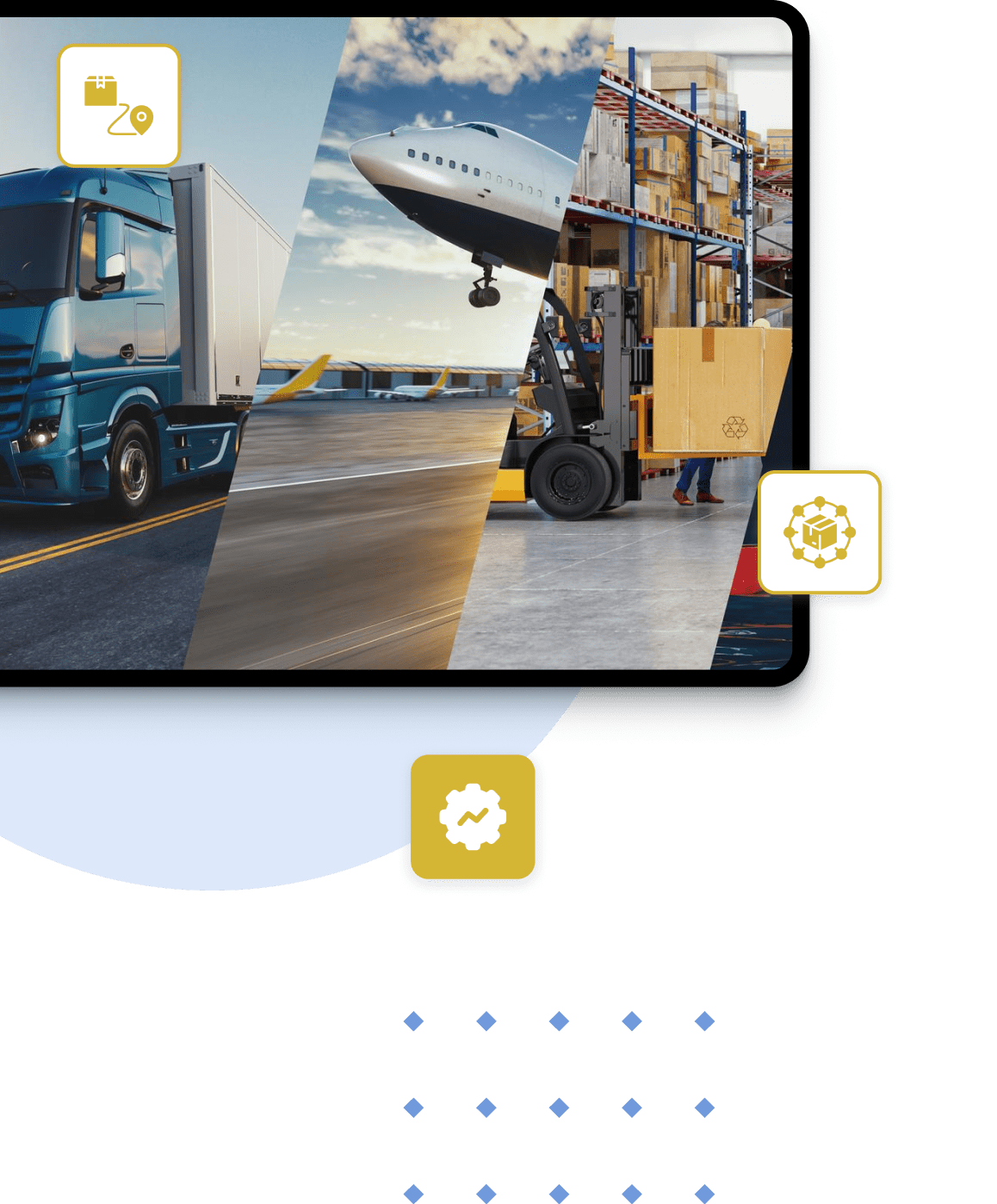
To bring more control and visibility into daily warehouse and transport operations, Glorium Technologies implemented Odoo 18 on Odoo.sh. We aligned the setup to how the client actually runs logistics across multiple warehouse facilities, fast outbound execution, carrier coordination, and tight financial control.
Odoo ERP works well here because it can connect the entire logistics flow on a single platform: inventory moves, warehouse execution, delivery steps, and invoicing. Instead of updating spreadsheets after the fact, teams record each step where it happens, receipts, internal transfers, picking, staging, dispatch, and delivery confirmation, and Odoo keeps stock levels and order status consistent across warehouses. This is the core value of Odoo logistics for a multi-facility operation: fewer gaps between teams, clearer shipment visibility, and billing that follows real shipment events rather than manual reconstruction.
Key Features
Core Capabilities Delivered with Odoo Logistics
We set up Odoo to mirror the client’s real-day-to-day workflow across warehouse facilities, dispatch, and finance. The focus was to keep inventory, shipment status, and billing aligned in one system, so teams spend less time on handoffs and more time moving shipments forward.
- Multi-warehouse inventory control with real-time stock updates and replenishment logic
- Warehouse execution improvements, such as wave picking and cross-docking, to speed fulfillment and reduce handling
- Shipment visibility workflow, so dispatch and customer-facing teams could track progress without chasing updates across tools
- Finance alignment with logistics events, improving cost tracking, and reducing delays in reporting
- Where needed, custom integrations with external services, built with maintainability and upgrade planning in mind
Results
Fully Connected Operations Powered by Odoo Logistics
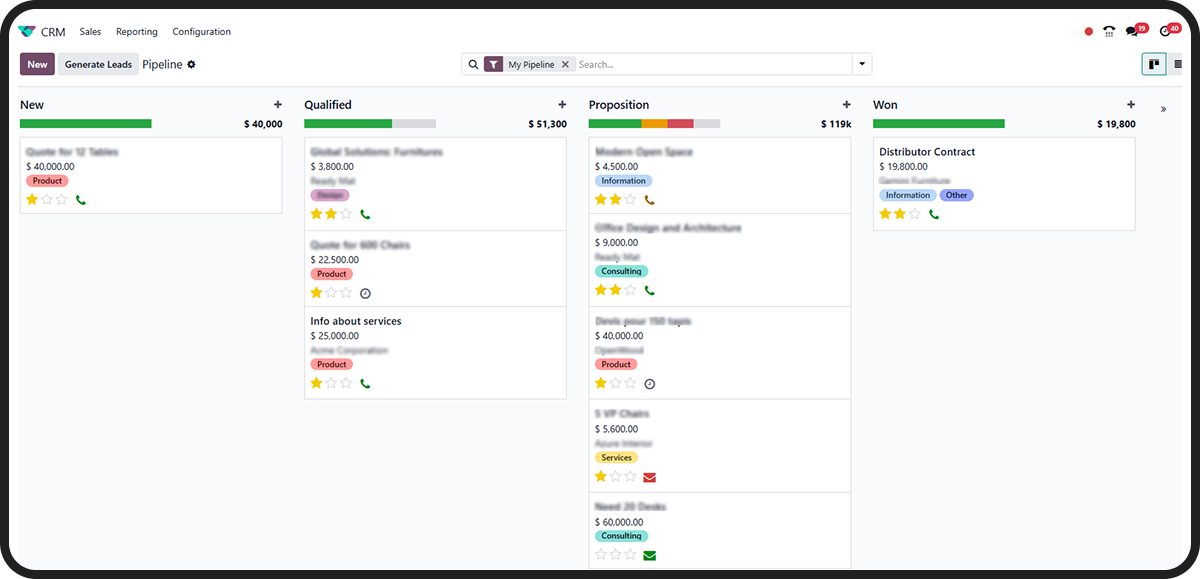
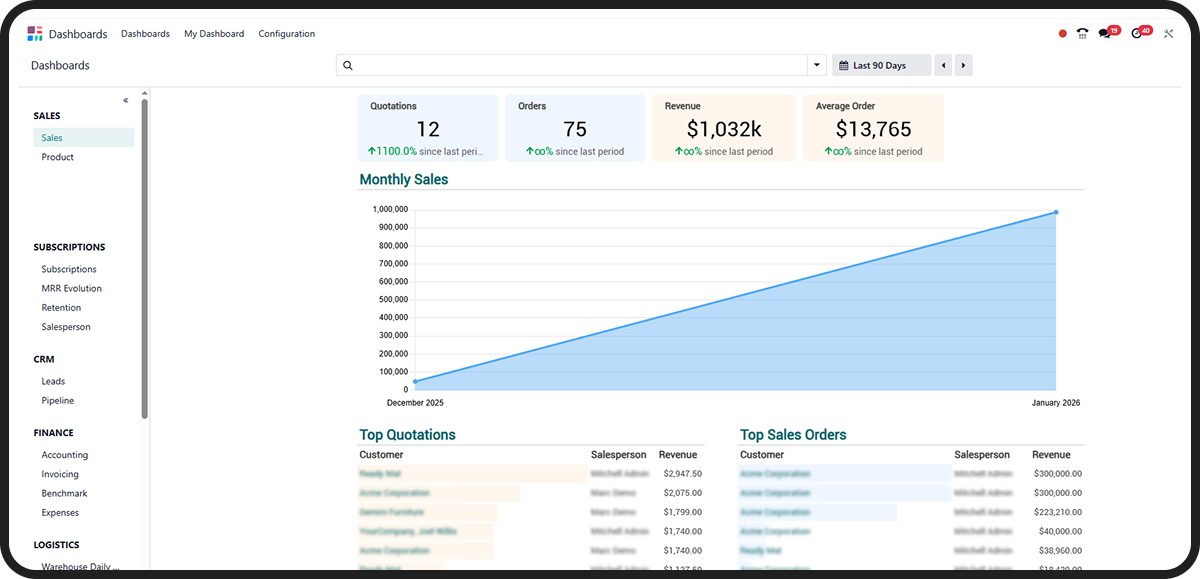
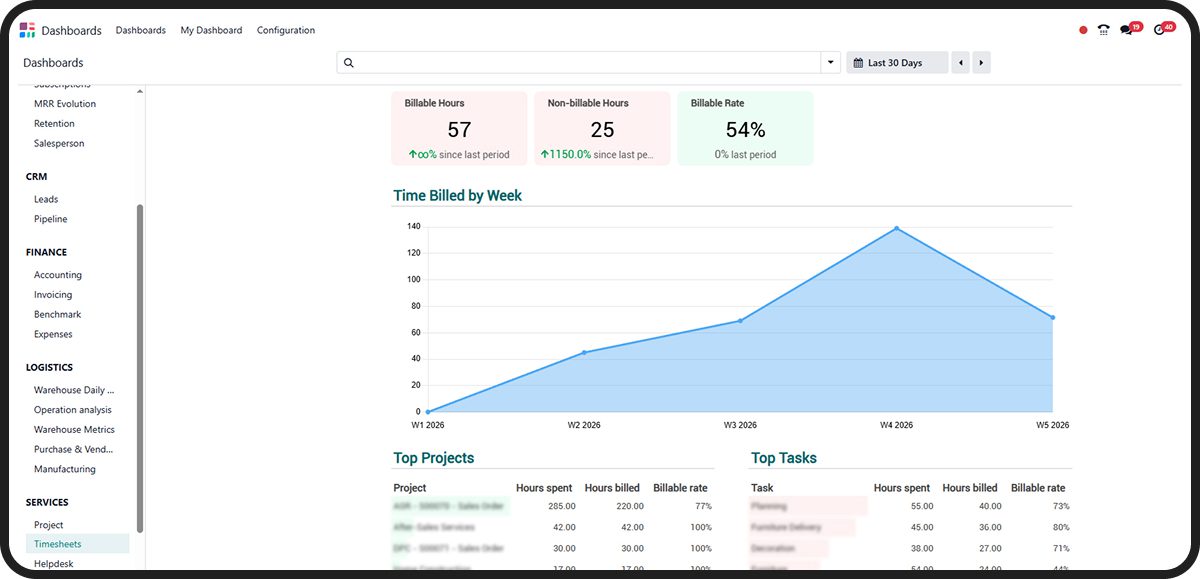
The Odoo implementation improved daily control across warehouse facilities, dispatch, and finance. Instead of “status-by-asking,” teams worked from one shared operational picture, with cleaner inventory data, clearer shipment progress, and faster financial follow-through.
Warehouse and Inventory Operations
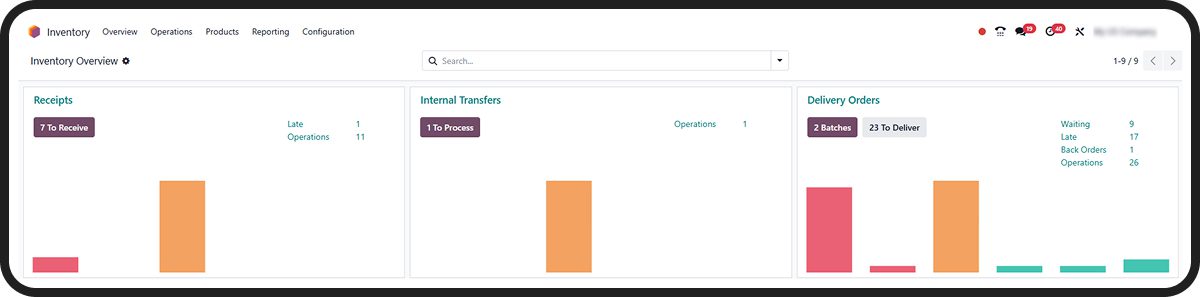
Odoo’s Inventory and warehouse workflows supported real-time updates across locations and reduced manual steps in receiving, picking, internal moves, and outbound preparation. With fewer handoffs and less rework, warehouse execution became more consistent and easier to manage across multiple facilities.
Shipment Tracking and Daily Logistics Coordination
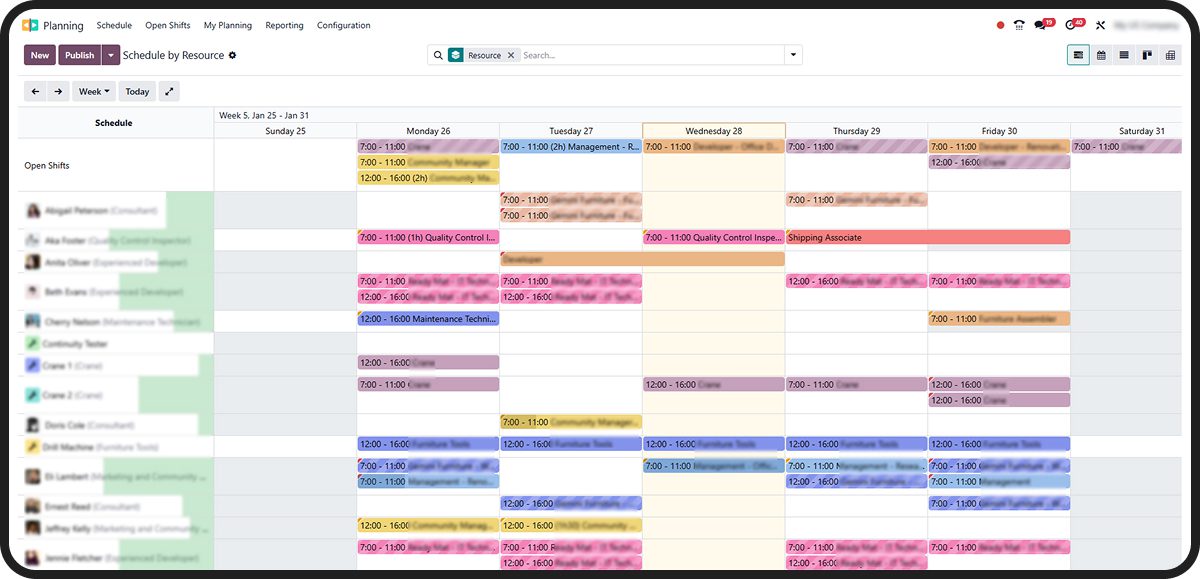
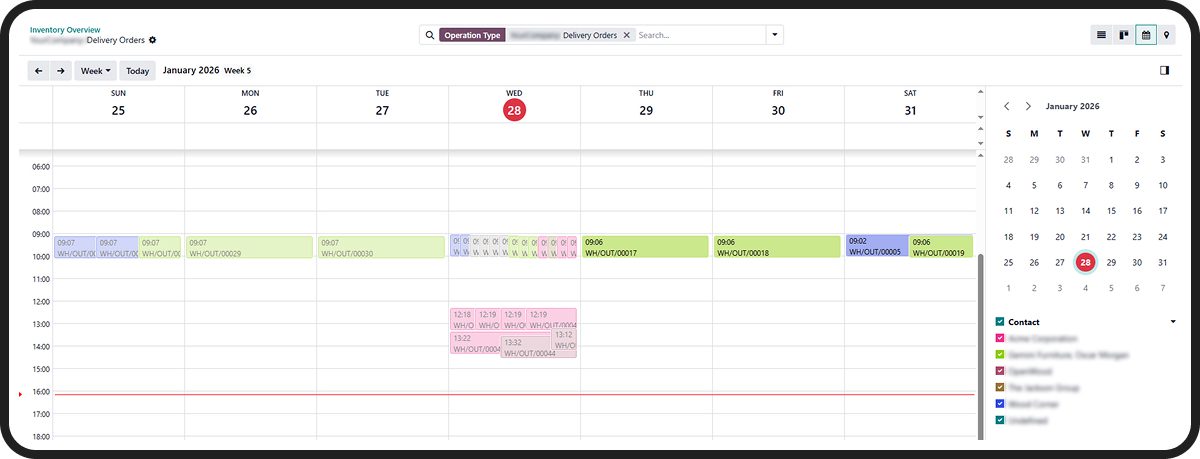
By centralizing shipment and delivery information, dispatch and support teams gained a more reliable tracking flow across warehouses and routes. This reduced the time spent chasing updates and helped teams react earlier when a delivery was blocked or at risk.
Billing, Invoicing, and Cost Control
Odoo’s accounting and invoicing workflows stayed aligned with operational events, so finance no longer had to reconstruct shipments after the fact. Reporting became more timely, and cost tracking improved, especially for complex, multi-step deliveries where margin control depends on accurate inputs.
Our Implementation Approach
A Phased Rollout That Fits SME Logistics Teams
Our implementation approach follows a structured four-phase rollout. It keeps control high and disruption low during daily runs. For this client, we delivered the project in 18 weeks, split across these four phases.
Phase 1: Discovery and Planning
- Workshops with warehouse, dispatch, and finance stakeholders
- Workflow mapping for inbound, storage, picking, outbound, and billing
- Scope definition for Odoo modules and reporting needs
Phase 2: Configuration, Customization, and Integrations
- Multi-warehouse setup and core logistics workflows
- Data preparation and migration planning (products, locations, partners, rates)
- Custom extensions and integrations where standard Odoo flows needed alignment
Phase 3: Training and Operational Optimization
- Role-based training for warehouse, dispatch, and accounting teams
- Hands-on scenarios based on real daily runs and exceptions
- Workflow tuning to reduce manual steps and improve control points
Phase 4: Testing and Go-Live Support
- End-to-end testing across warehouse-to-delivery-to-invoice flows
- Cutover planning and guided go-live execution
- Post-launch support to stabilize operations and refine processes
Business Value
Faster Cycles, Better Control, and a Clear ROI Path
40–60% Less Manual Work in Daily Operations
By integrating warehouse execution, dispatch workflows, and finance into a single system, the team reduced duplicate data entry and the need for constant “status checks.” Routine tasks moved from spreadsheets and messages into Odoo flows, reducing errors and freeing time for exception handling and customer service.
~30% Shorter Cycle Times Across Warehouse and Dispatch
Workflow automation reduced handoffs between roles and locations. With clearer task ownership and fewer waiting points (for confirmations, inventory updates, or approvals), picking-to-dispatch and dispatch-to-invoice cycles became noticeably faster and more predictable.
Improved Real-Time Visibility for Faster Decisions
Inventory, shipment status, and financial signals stayed aligned in one place. That made it easier to spot bottlenecks (missing stock, late outbound loads, stalled deliveries) and take action early before delays escalated into penalties.
ROI in 12–18 Months Through Lower Overhead and Better Control
The client achieved a practical payback window by reducing manual labor, avoiding preventable operational mistakes, and improving cost tracking for shipments and warehouse activity. Over time, the same setup also supports growth: new warehouses, routes, and carriers can be added without rebuilding the process from scratch.
Want Cleaner Tracking and Faster Dispatch?