







Computer Vision in Retail: What It Does and Where It Pays Off
Updated July 31, 2026

 Summarize in ChatGPT
 Summarize in ChatGPT
A shopper walks the cereal aisle looking for a specific box, finds the shelf bare, and leaves without buying anything else. That scene plays out millions of times a day in stores everywhere, and together, those moments become one of the sector’s costliest problems. Computer vision gives retailers a way to catch that gap within minutes instead of hours, flagging what happened on the shelf while it’s still happening.
This guide walks through what computer vision in retail actually is, the use cases delivering real value today, the honest trade-offs involved, and where the technology is heading through 2026. The goal is a grounded view for anyone weighing whether to bring visual AI into their stores or online channels.
Content
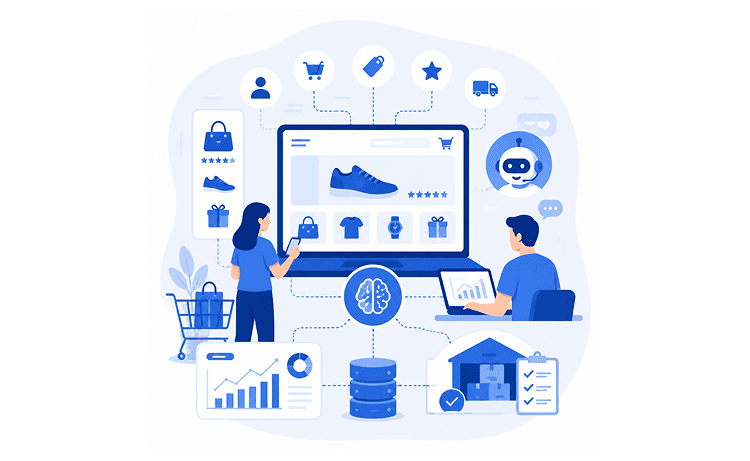
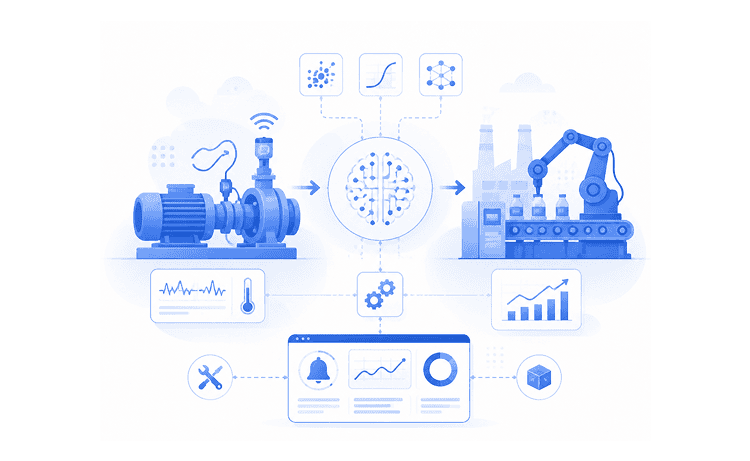
Retailers have always sat on a mountain of visual information: shelves, aisles, queues, product displays, and the way people move through a space, captured on camera but rarely put to use. Most of that footage got overwritten within days, or sat untouched unless there was an incident worth pulling it up for. Computer vision changes what a camera feed actually is: instead of footage waiting for a rare investigation, it becomes structured data a system can act on before the moment passes. That shift is why so many retail businesses now treat their cameras as a source of operational insights, not just security equipment bolted to the ceiling.
Physical stores have historically lacked the rich behavioral data that online stores collect by default. Retail computer vision closes that gap, giving brick-and-mortar stores a measurement layer that online retail has enjoyed for years.
At its core, a computer vision system combines cameras and sensors with machine learning algorithms trained to recognize objects, people, and patterns. A typical stack pairs image recognition and object detection with either edge processing on local devices or cloud analytics, depending on how fast the store needs answers.
Object detection identifies products and shelf gaps. Deep learning models handle harder tasks like reading body language, tracking a single customer across frames, or matching a photo to a catalog. Edge AI integration lets retailers run models directly on camera infrastructure, so decisions happen in real time without shipping every frame to a server. Building custom computer vision solutions that hold up on a busy sales floor depends heavily on this architecture choice.
The commercial case has grown clear enough to move budgets. According to The Business Research Company, the computer vision for retail market grew from about $4.23 billion in 2025 to $5.24 billion in 2026, at a compound annual growth rate of nearly 23.8%, and is projected to reach roughly $12.19 billion by 2030.
Three forces sit behind that curve: camera hardware keeps getting cheaper, model accuracy keeps improving, and labor and shrink pressures keep rising. Together they make adopting computer vision a practical decision rather than an experiment reserved for a few well-funded pilots.
The strongest computer vision applications solve problems retailers already track on their P&L: lost sales from empty shelves, inventory losses from theft, slow checkout, and weak visibility into customer behavior. The use cases below map to those pain points, and most stores start with one before expanding.
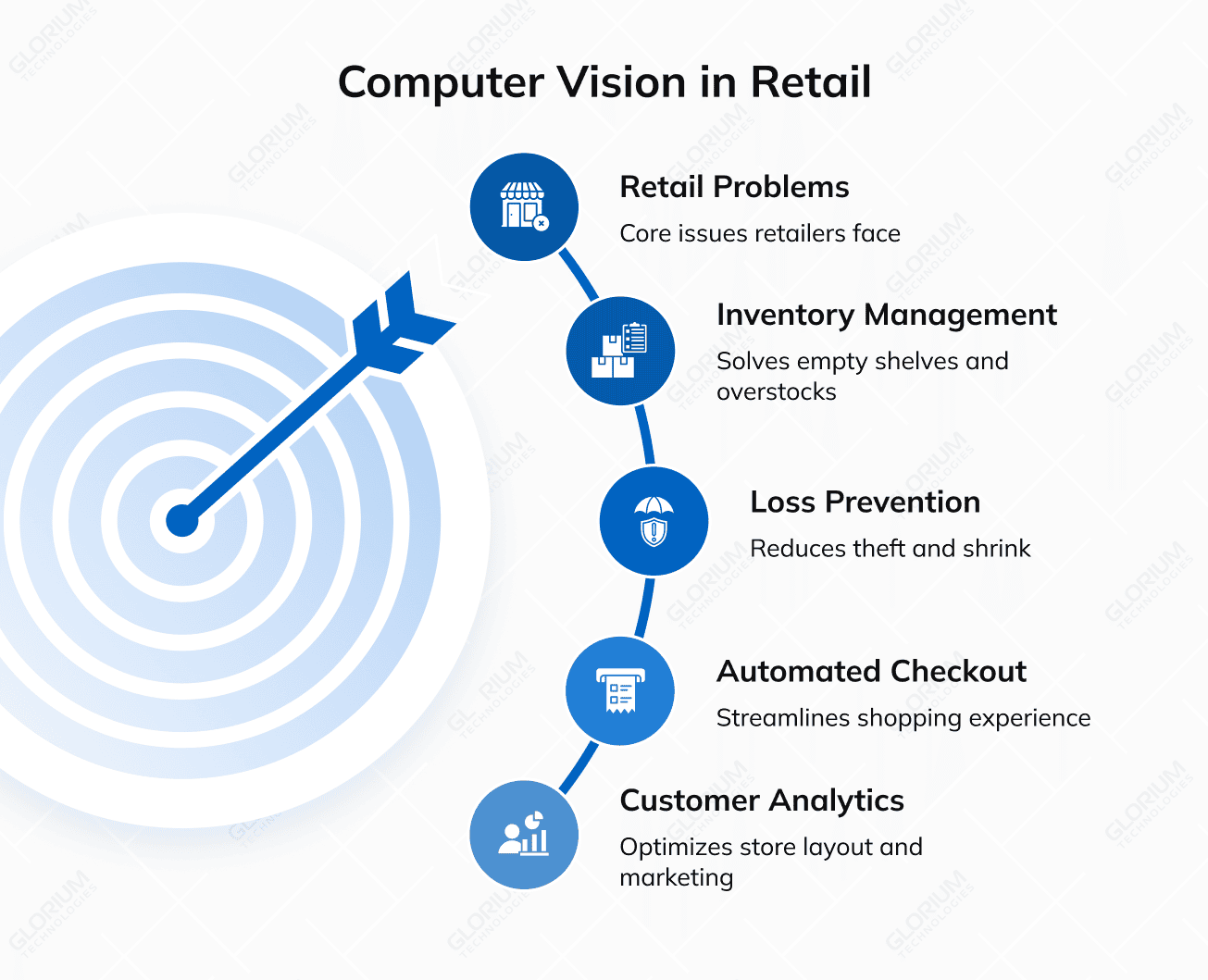
Empty shelves are a silent revenue leak. Analyst firm IHL Group estimates that inventory distortion, meaning the combined cost of out-of-stocks and overstocks, reached about $1.77 trillion worldwide in 2023, with out-of-stocks alone accounting for roughly $1.2 trillion. Later research put the figure near $1.73 trillion, equal to about 6.5% of global retail sales.
Computer vision handles the out-of-stock side of that number directly. Cameras scan shelves throughout the day, flag gaps and low stock, check planogram compliance, and send staff straight to the aisle that needs attention. Morrisons, the UK grocery chain, rolled out AI-powered shelf cameras from Focal Systems across roughly 500 stores in six months, with 400 to 600 cameras per store scanning shelves hourly. The retailer improved on-shelf availability by two percentage points year on year. Pairing that visual layer with machine learning models for demand forecasting lets automated inventory management move from reactive restocking to genuine planning.
Retail shrink remains stubborn and costly. The National Retail Federation’s 2023 National Retail Security Survey found that shrink reached 1.6% of sales in fiscal 2022, representing about $112.1 billion in losses across the industry.
AI-powered systems help on several fronts. At the point of sale, they catch unscanned items and mis-scans. On the floor, they flag unusual movement patterns that warrant a closer look, and they alert staff in real time so a team member can offer help in the right aisle. Framed positively, the same technology that deters theft also frees loss prevention teams from hours of manual video review, which is where much of the operational payoff shows up.
Cashierless stores use computer vision, shelf sensors, and deep learning to track what a shopper picks up, then charge the customer automatically as they exit. Amazon popularized the model with its Just Walk Out technology in Amazon Go stores.
In April 2024, Amazon removed Just Walk Out from its US Fresh supermarkets, replacing it with Dash Carts that tally items as shoppers add them. The technology stayed in smaller Amazon Go shops and UK stores, and Amazon continues to license it to third parties in stadiums, airports, and hospitals. The lesson for retailers is that frictionless checkout works best in specific formats, such as grab-and-go and high-throughput venues, rather than as a blanket replacement for every store.
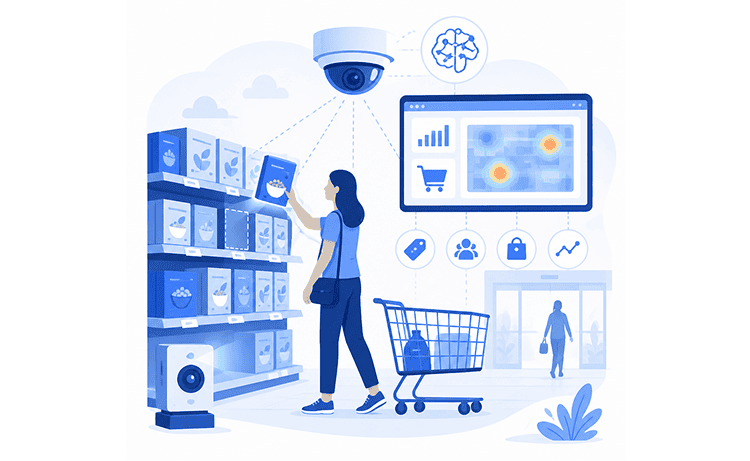
Cameras turn foot traffic into hard numbers. By tracking movement patterns, a computer vision system builds heat maps that show which zones draw attention and which get ignored, along with dwell time at individual displays.
Retailers use that customer analytics to optimize store layouts, move slow displays, and place high-margin products where shoppers actually linger. A high-traffic aisle with low engagement, for example, signals a placement or signage problem worth fixing. This kind of measurement gives physical stores the same feedback loop that purchasing patterns and clickstreams give online shopping.
Augmented reality and computer vision now let shoppers preview products before they buy. L’Oréal’s ModiFace division licenses virtual try-on solutions to beauty brands such as Maybelline and Lancôme, using deep learning to render makeup that adapts to skin tone and lighting. Visual search works the other way: a customer photographs an item, and image recognition returns visually similar products from the catalog. The payoff shows up in returns and conversion. Grand View Research valued the virtual try-on market at about $9.17 billion in 2023 and projected it at roughly $46.42 billion by 2030.
In-store cameras can read broad demographic signals and context to tailor what a digital display shows, so an endcap might surface athletic promotions to a shopper in workout gear. Handled with care, this supports personalized marketing and customer engagement without collecting personal identities. Because these applications touch sensitive ground, the design choices around anonymization matter as much as the model itself, a point worth pairing with a wider AI in retail strategy.
Here is how the main use cases compare at a glance:
| Use case | What computer vision does | Business payoff |
| Inventory and shelf monitoring | Scans shelves, flags gaps, low stock, and planogram issues | Fewer out-of-stocks, faster restocking, less waste |
| Loss prevention | Detects unscanned items and unusual movement | Lower shrink, fewer false alarms |
| Cashierless checkout | Tracks selected items and charges customers on exit | Shorter queues, higher throughput |
| Customer behavior analytics | Builds heat maps of foot traffic and dwell time | Smarter store layouts and product placement |
| Virtual try-on and visual search | Renders products on shoppers, finds items from a photo | Higher conversion, fewer returns |
| Personalized marketing | Reads context to tailor in-store displays | More relevant promotions, stronger engagement |
Visual artificial intelligence earns its place when the numbers move, so a clear-eyed view of both sides helps before any rollout. The benefits cluster around operational efficiency and revenue, while the challenges cluster around privacy, cost, and integration.
The gains tend to compound across operations and customer experience:
The obstacles are real, and naming them upfront leads to better projects:
Practical design choices can defuse privacy concerns before they become blockers. Anonymizing footage at the edge, so raw video never leaves the store, keeps a system useful for counting foot traffic and building heat maps without holding onto anyone’s identity.
“You can just detect the faces, apply blurring on top of that.”
Nicolai Nielsen, How to use Computer Vision in Retail
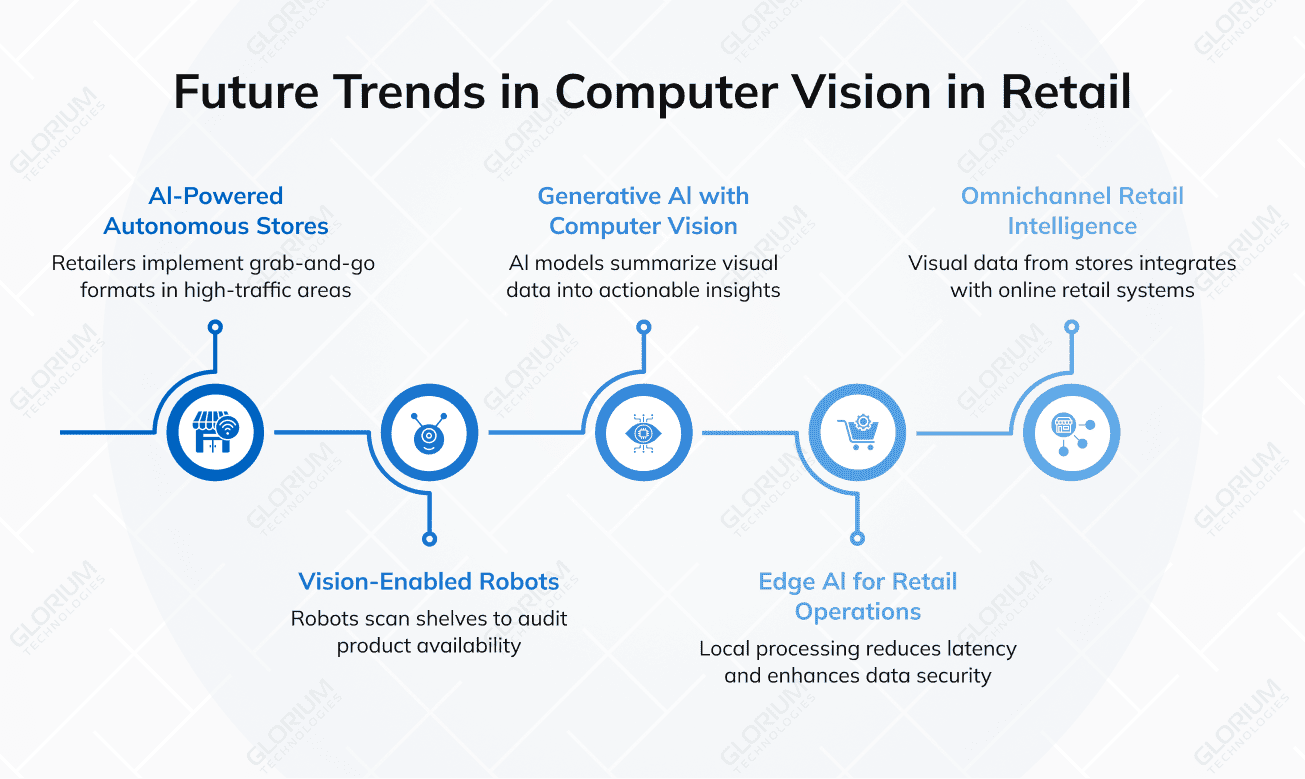
Adoption is accelerating fast. IHL Group’s 2025 research projects that computer vision and image recognition use in retail will expand dramatically over the next two years as retailers close the gap between AI leaders and laggards. Several directions stand out:
These trends point toward stores that sense conditions and respond in real time, with computer vision working quietly in the background rather than as a novelty at the front door.
Turning any of these use cases into a production system is where projects usually succeed or stall. The hard parts are scoping the right use case, building the data pipeline, choosing an edge or cloud architecture, and integrating with existing systems such as your POS, ERP, and inventory platforms.
Glorium Technologies has built software since 2010, with more than 150 projects delivered and deep expertise in AI for retail, custom machine learning models, and computer vision. As an AWS Select Tier Services Partner, the team builds e-commerce and retail solutions that connect visual AI to store operations, covering shelf monitoring, loss prevention, and in-store analytics, and wires machine learning models for demand forecasting into the inventory systems you already run. You can take on the work as a dedicated project team, or add computer vision engineers to your own developers through team extension.
Ready to see what a serious implementation looks like for your stores? Get in touch for a consultation to map the right first use case and a realistic path to production.
A focused pilot for a single use case, such as shelf monitoring in a few stores, can run in weeks to a few months. Morrisons moved from pilot to roughly 500 stores in six months, though multi-store rollouts depend on camera installation, network readiness, and how much model retraining your product mix requires.
Cost varies with scope, camera coverage, and whether you process data at the edge or in the cloud. A single-use-case pilot is far cheaper than a chain-wide deployment with several models and real-time serving. A scoping phase that estimates hardware, integration, and ongoing model maintenance before you build usually pays for itself.
Sometimes, though not always. Many existing security cameras lack the resolution, angle, or frame rate that reliable object detection needs. A readiness assessment will tell you which cameras you can reuse and where new hardware or edge devices are worth the investment.
Compliance depends on design, not on the technology itself. Systems built to anonymize footage, avoid storing biometric identifiers, process data locally, and give clear notice can meet GDPR and similar rules. Legal review of your specific setup remains a sensible step before launch.
Smaller retailers can absolutely benefit, often starting with one high-value use case like shelf availability or checkout. Cloud-based and scalable solutions let a single store test the technology without the infrastructure a national chain deploys, then expand once the return is clear.
Accuracy in controlled tasks such as cashierless checkout can exceed 99%, but real stores introduce crowds, occlusion, and shifting light that lower performance. Sustained accuracy comes from store-specific training data and periodic retraining, which is why the data pipeline deserves as much attention as the model.
Models need large volumes of labeled, representative images from environments similar to where they will run. The Focal Systems technology used by Morrisons, for instance, was trained on billions of labeled images. This data acquisition step is often the real bottleneck, so planning for annotation and ongoing collection early keeps a project on track.