







How to Transform Operations with Next-Gen Enterprise Application Development
Updated September 8, 2025

 Summarize in ChatGPT
 Summarize in ChatGPT
The reach of enterprise app development services today spans every industry. Modern businesses require solutions that integrate with existing systems and strengthen internal operations, while working seamlessly on all devices. They need mobile apps to keep teams productive on the go, CRM solutions to manage customers, ERP tools for operations, or banking apps to handle sensitive transactions securely. Cloud computing, machine learning, and workflow automation are opening up more opportunities than ever to transform how businesses operate.
Suppose you want to give your warehouse teams instant access to inventory management updates and shipment tracking. If you turn to mobile enterprise application development and improve automation, you may reduce operational errors by up to 99%. Increased employee productivity and customer satisfaction will come as a bonus.
Content
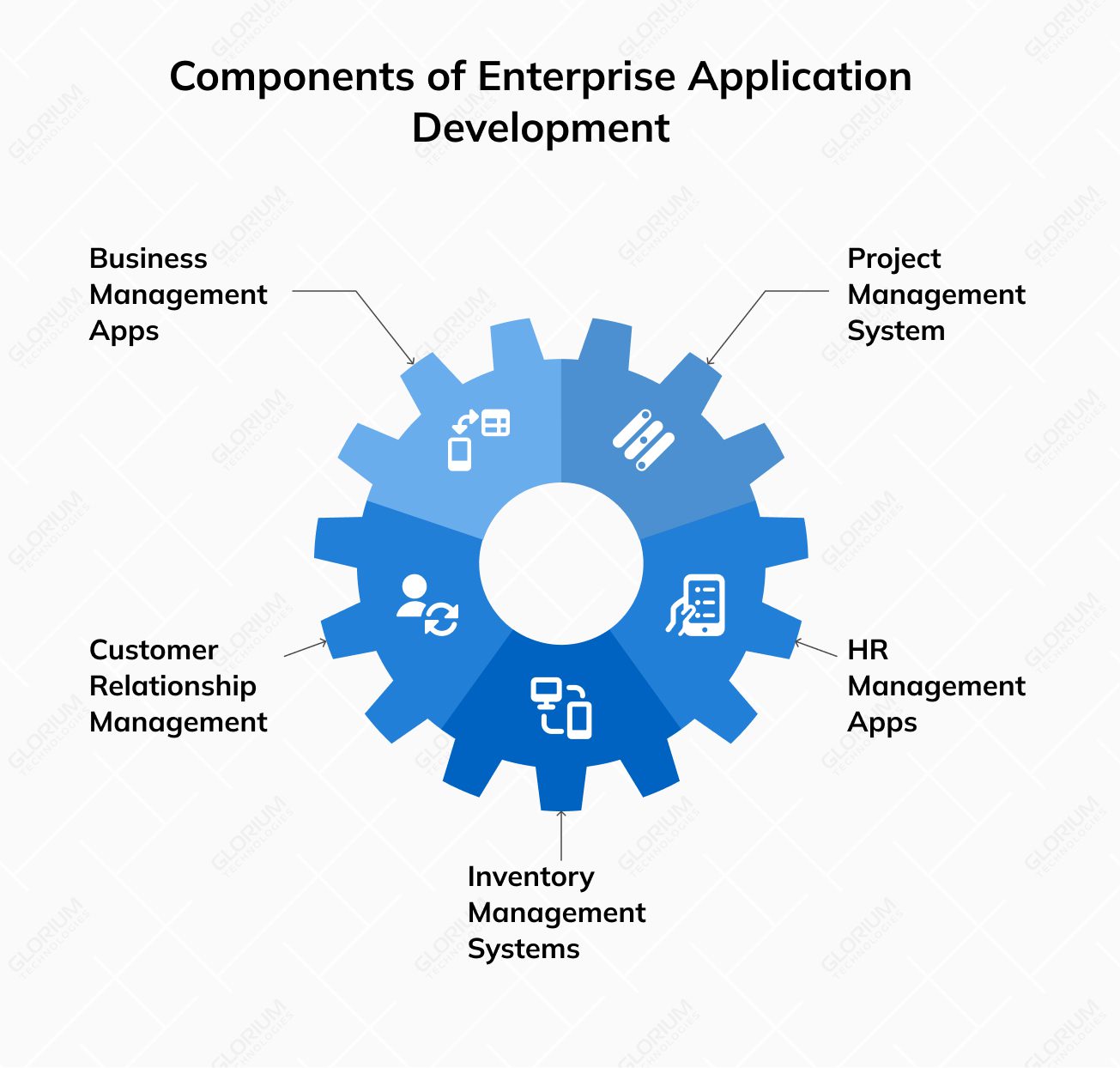
At its core, EAD is about designing, building, and maintaining enterprise software applications, which you can integrate with a company’s business processes, turning them into strategic assets.
For example:
The goal is to create enterprise solutions that unify company information and improve data management through a central hub accessible on multiple devices.
Modern enterprise mobile apps empower employees to manage documents, access content management systems, oversee marketing campaigns, and track key business metrics from anywhere. By breaking free from office boundaries, teams gain the ability to act quickly and work together more efficiently. So, it’s okay to expect your enterprise applications to perform flawlessly on smartphones and tablets, just as on desktops.
Whether in the field, traveling, or working remotely, your staff can stay connected and fully engaged with company operations. That’s why mobile compatibility has become critical in today’s enterprise app strategies.
Mobile enterprise apps offer:
Around 48% of companies have already adopted automated work management systems to optimize daily operations. A well-designed mobile app can enable teams to access documents and manage projects regardless of location. However, not all enterprise apps deliver on this promise—poor user experience, lack of integration with current systems, and security vulnerabilities can undermine adoption and ROI.
The enterprise application development process is as follows:
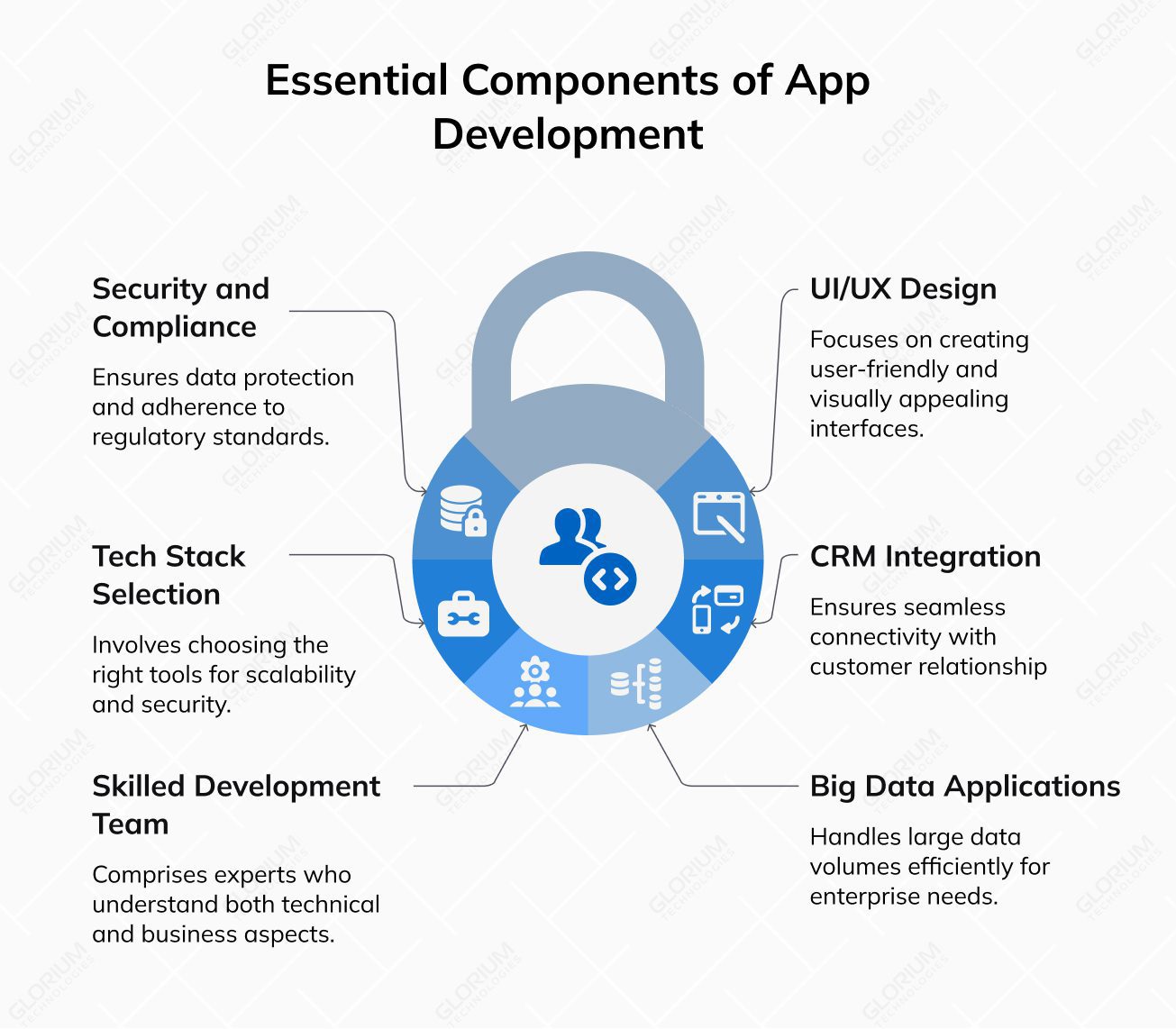
The right app development company provides end-to-end enterprise mobile application development services, covering everything from UI/UX design to seamless integration with CRM platforms and enterprise big data applications. This holistic approach ensures the mobile solution looks good and aligns with your organization’s business operations and long-term strategic goals.
A skilled development team brings together software engineers, enterprise mobile app developers, and business analysts who grasp both the technical side of an app and its role in everyday business operations. Their combination of skills enables them to deliver solutions that genuinely boost productivity. And with ongoing post-deployment support, your enterprise mobile apps can continue running at peak performance while driving stronger user adoption over time.
The tools you select determine the speed of development as well as the application’s scalability, security, and long-term maintainability. Enterprise solutions must handle large data volumes, connect with multiple systems, and cater to varied user needs. The wrong toolset, however, can quickly trigger performance issues and introduce compliance risks.
Many organizations go for time-tested, widely supported frameworks that offer strong community resources. Java-based frameworks, like Spring Boot, .NET for cross-platform enterprise solutions, and JavaScript frameworks such as Angular or React for front-end development, are on the list of the most wanted options. Platforms like Microsoft Azure, AWS, and Google Cloud offer robust infrastructure and prebuilt services, along with capabilities that speed up development and deployment.
Implementation and adoption will go more smoothly if you choose a tool set that complements your current infrastructure and meets integration requirements. Don’t worry if you’re unsure about which frameworks are best suited. Professionals at Glorium Technologies can help you sort through the options and recommend the best ones.
Because enterprise applications handle sensitive data, security and regulatory compliance aren’t optional. The development tools you choose should make it easy to follow secure coding practices, use strong encryption, and work seamlessly with identity and access management systems. Compliance with niche regulations such as GDPR, HIPAA, or SOC 2 should be factored in from the start, so the application can pass audits and protect data without last-minute fixes. Picking tools that already include security features and compliance support not only lowers risk but also makes certification and approvals faster.
The right tech stack should:
Every niche faces unique operational challenges, regulatory demands, and customer expectations. Off-the-shelf software can’t address these unique requirements, so you waste effort and lose opportunities. Specialized application development fills that gap by building tools shaped around the processes and workflows of a specific industry. Whether in manufacturing, healthcare, finance, or retail, these custom-built applications can improve operations and deliver clear, measurable results.
Banking applications have become the primary touchpoint between financial institutions and their customers. Users expect seamless access to accounts, fast transactions, and transparent services without compromising security. For banks and fintech providers, this means building apps that balance convenience with the highest levels of data protection and regulatory compliance.
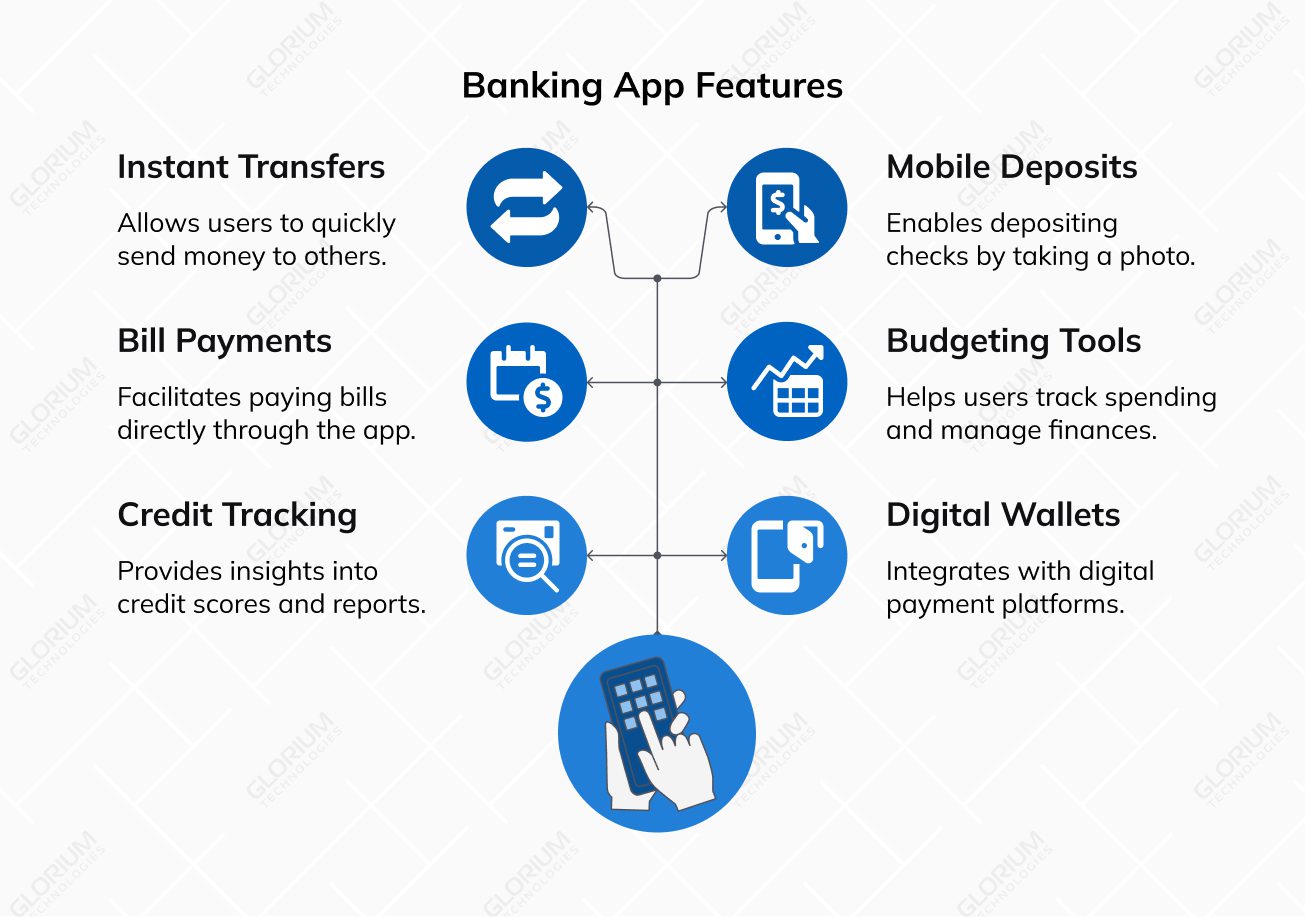
Modern banking apps must go beyond basic account views. Customers look for instant money transfers, mobile check deposits, bill payments, budgeting tools, credit score tracking, and integration with digital wallets. Personalization features, like bespoke product recommendations, enhance engagement and loyalty. Intuitive design and reliable performance are equally essential for existing and potential customer satisfaction.
As financial data is so sensitive, security sits at the heart of banking app development. Strong encryption methods—such as AES-256, SSL/TLS, and end-to-end encryption—protect information whether it’s being stored or transmitted. On top of that, features like access control, biometric logins, and fraud detection systems provide additional layers of protection.
Following standards like PCI DSS, GDPR, and local banking regulations keeps the app legally compliant and builds user trust—making security a core focus throughout development and ongoing maintenance.
Banking app development also calls for:
ERP systems offer a centralized platform to coordinate and control business fundamental operations. By replacing fragmented tools with a unified system, ERP software helps organizations maintain accurate, real-time data across departments, improve collaboration, and make faster decisions. Whether in manufacturing, retail, healthcare, or services, ERP solutions support both day-to-day efficiency and long-term growth.
ERP systems bring together functions like finance, inventory, production, procurement, sales, and HR under one platform. This centralization eliminates data silos, reduces duplication, and ensures all teams work with the same up-to-date information. The result is smoother workflows, improved resource allocation, and better visibility into business performance.
Today’s ERP software isn’t limited to the desktop—it works seamlessly with mobile and web applications. This means managers, field staff, and remote teams can approve requests and monitor operations from anywhere with an internet connection. Mobile access keeps responses quick, while web apps make it easy to work across devices, helping businesses stay adaptable.
When paired with mobile enterprise app development, ERP tools offer:
A well-implemented CRM optimizes the entire sales pipeline, from lead generation to post-sale follow-up. Sales teams can track opportunities, automate follow-ups, and forecast revenue with greater accuracy. On the customer service side, CRMs provide agents with instant access to communication history, past purchases, and preferences. Centralized data keeps every interaction aligned with the customer’s journey, which in turn boosts retention and encourages repeat business.
A CRM becomes far more powerful when it’s connected to other enterprise tools like ERP systems, marketing automation platforms, and e-commerce solutions. This integration makes data flow seamlessly between teams—sales can check stock levels right from the ERP, marketing can launch campaigns based on real customer activity, and support can pull up billing details without jumping between systems. Such integration ensures a unified view of the customer across the organization, improves operational coordination, and supports more strategic decision-making.
Once static, office-bound platforms, enterprise systems have turned into dynamic, on-the-go tools that keep teams connected and productive. Around 87% of companies are now relying on employees to access business apps via mobile devices.
Mobile-enabled enterprise systems allow staff to monitor operations, approve requests, and update records in real time, regardless of location. When a logistics company connects a mobile app to its ERP, delivery delays can drop by as much as 23% thanks to instant route updates and instant inventory checks. This kind of agility improves responsiveness and gives managers immediate access to the latest information. By linking enterprise systems with mobile tools, businesses can remove communication barriers and gain clearer visibility across operations.
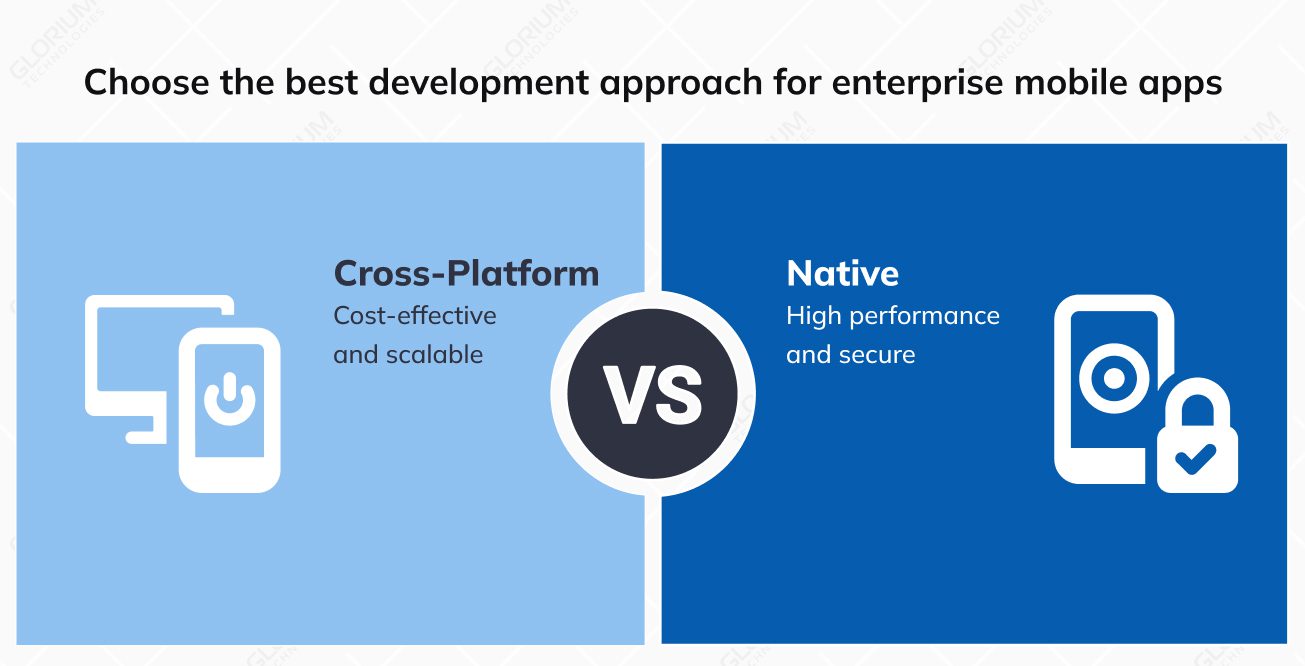
Deciding between cross-platform and native development is a key choice that can influence the long-term success of an enterprise mobile app. Each option comes with its own strengths and drawbacks, affecting scalability, performance, user experience, and maintenance costs. You should focus on your goals, budget, and plans for how the app will grow and adapt in the future.
With cross-platform development, you can use one codebase for multiple operating systems, which helps cut development time and costs. It also allows updates and new features to roll out to all platforms at once—perfect for scaling quickly. The trade-off is potential performance limits, reduced access to some device-specific features, and slower adoption of the latest OS capabilities.
In contrast, native development delivers superior performance, enhanced security, and closer integration with device hardware and operating system capabilities. This can support highly complex or resource-intensive enterprise apps over the long term. However, separate development is required for each platform, increasing costs and timelines. Maintaining multiple codebases can also slow down updates and scaling.
Enterprises must weigh these trade-offs to choose the approach that best supports current needs and future growth.
| Feature | Cross-Platform | Native Development |
| Development Time | Faster | Longer |
| Cost | Lower upfront | Higher upfront |
| UI UX Design Quality | Moderate | High |
| Advanced Features Support | Limited | Full |
| Scalability | Moderate | High |
Creating complex enterprise applications starts with selecting the right software stack—one built to manage large-scale operations and seamlessly connect with multiple systems. The right mix of front-end, back-end, and database technologies makes the app powerful, flexible, and ready to grow with the business. With the right stack in place, your application can support thousands of users at once, process massive volumes of data, and deliver consistent, reliable performance.
Selecting a tech stack involves evaluating scalability, security, team expertise, and compatibility with existing infrastructure. Popular combinations might include React or Angular for the front end, Node.js or .NET for the back end, and databases like PostgreSQL or MongoDB. Your main purpose is to choose tools that align with the application’s functionality, integration needs, and long-term business strategy. Glorium Technologies can guide you through the tech stack that is ideal for your project and long-term plans.
High performance must be balanced with ease of maintenance. Overly complex architectures may deliver speed initially, but can become costly to update or troubleshoot. Full-stack tools offering modularity, strong community support, and robust documentation help ensure the system remains high-performing and sustainably reduces downtime and improves user satisfaction.
Regulatory compliance isn’t just a box to tick—it’s a core part of building any enterprise app, especially when it handles sensitive operations and critical data. Whether it’s an ERP app managing supply chain tasks or a platform built around industry-specific business processes, every solution must meet the standards that govern its field. The cost of skipping this step can be steep—hefty fines to disrupted operations, and lasting reputation damage.
Taking a compliance-focused approach means making sure every step of data handling, storage, and sharing meets strict regulations—without sacrificing performance or ease of use. It’s about weaving security into the very fabric of the system, from secure coding practices and encryption to access controls and detailed audit trails, all designed to fit the way your organization actually works.
Compliance in software projects—especially in mobile app development—presents enterprises with challenges that surpass standard security requirements. A mobile app development company must account for both legal requirements and the technical demands of building mobile apps that handle sensitive data.
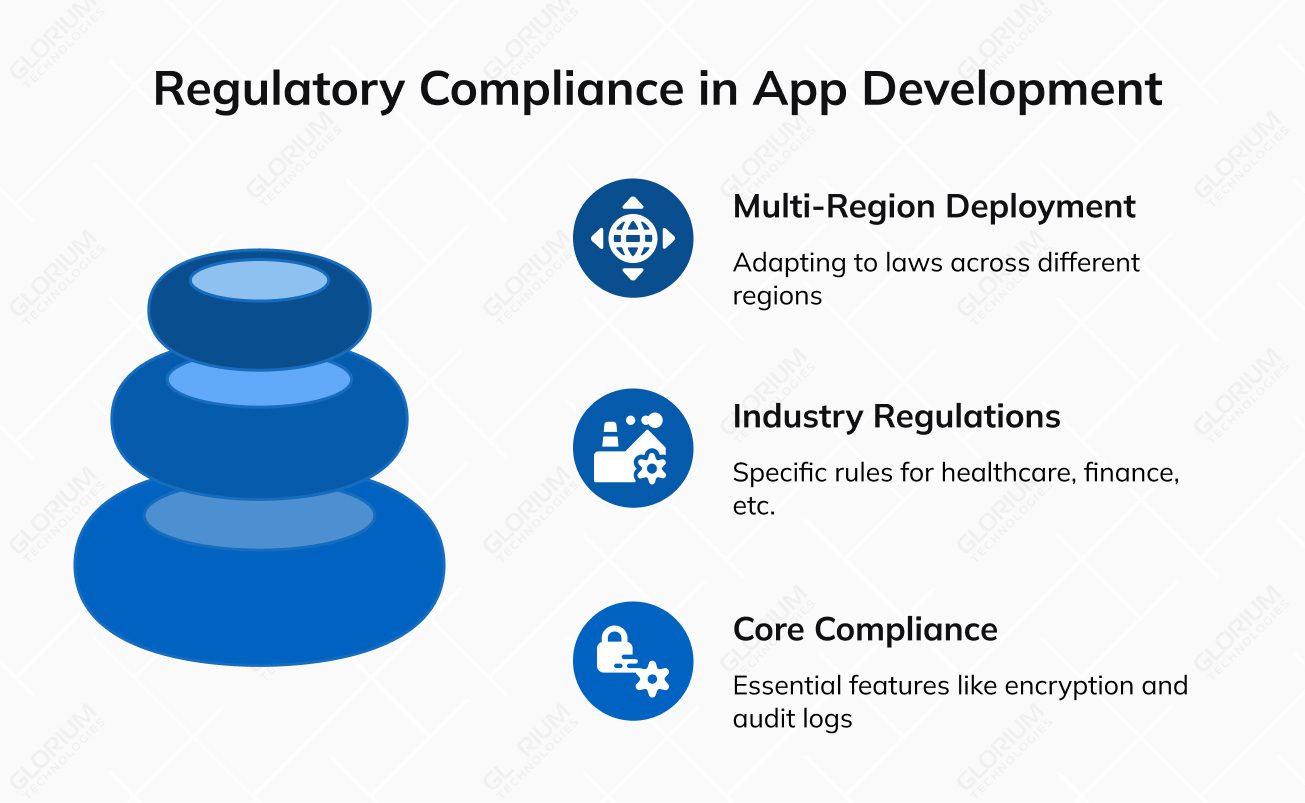
Every industry plays by its own rulebook—HIPAA governs healthcare, PCI DSS shapes finance, GDPR safeguards personal data, and ISO standards guide manufacturing. Meeting these requirements means building in essential features like advanced encryption and thorough audit logs that keep you on the right side of the law.
Launching apps across multiple regions means navigating numerous laws, data residency rules, and constantly changing requirements. For a mobile app development company, it’s about designing mobile apps with flexible architectures that adapt to local regulations while still giving users a smooth, consistent experience no matter where they are.
Security shouldn’t be something you bolt on at the end of enterprise mobile app development—it needs to be woven in from day one. From the first design sketches to ongoing maintenance after launch, a proactive approach safeguards sensitive data, builds user trust, and keeps you aligned with regulations. By embedding strong security measures early, you tackle risks before they have a chance to turn into expensive problems.
Strong encryption keeps data safe whether it’s moving between systems or stored on a server, while robust authentication—like biometrics or multi-factor verification—makes sure only the right people get in. Secure APIs act as guarded gateways, blocking unauthorized access and shielding not just the app itself but the entire network of connected enterprise systems.
Once you decide to create apps for your business, you need to assess the experience of a potential partner in handling enterprise data securely and efficiently. Pay attention to whether there is a proven track record in delivering scalable apps. The right company will know how to streamline workflows through smart design and seamless integration, making sure the app truly supports your business goals. Pay attention to their ability to suggest and implement features that boost productivity, foster collaboration, and keep users engaged. A great enterprise mobile app development company blends technical skill with a deep understanding of business processes, creating solutions that deliver real, lasting value.
Choosing the right collaboration model is key to delivering an enterprise mobile app that meets both technical and business goals. Different approaches offer varying levels of control, cost, and expertise.
If you want to build enterprise mobile apps that do more than function, look no further than Glorium Technologies. We create enterprise app solutions that fit seamlessly into your business processes from start to finish. Whether it’s designing mobile apps packed with essential features, integrating with your ERP systems, or protecting your most valuable enterprise data, we handle it all. Every app we build is designed to streamline workflows and deliver results you can measure. Let’s build the enterprise app that powers your growth.
Security is never a one-and-done job. Ongoing monitoring helps spot threats as they happen, while regular updates patch newly found vulnerabilities before they become bigger problems. By maintaining a security-first mindset throughout the lifecycle, enterprises can keep mobile apps resilient against evolving cyber risks.
By keeping enterprise apps well-managed, businesses can strengthen security through strict access controls, frequent updates, and constant threat monitoring. At the same time, performance improves as resources are optimized, workflows run smoother, and issues are resolved quickly—ensuring the apps remain reliable, compliant, and fully aligned with business goals.
Document management solutions store files in one secure, organized place, reducing time wasted searching for information or dealing with duplicates. Automated workflows move approvals along faster, while version control keeps everyone on the same page, helping teams collaborate smoothly, decide quickly, and keep records clear and consistent.