










MVP Development Services

Your Budget, Simplified - Discover Your Project's Cost
What is your primary goal for building an MVP?
Choose the primary funding for this project:
Choose your industry:
What MVP elements have you completed so far?
What matters most in a development partner?
How do you plan to promote your MVP?
What’s your estimated budget for this project?
What is your timeframe for launching an MVP?
How would you describe your core business idea?
What’s your biggest challenge right now?


 Back
Back
Our Clients







Why High-Growth Startups Start Here






Who We Work With

 We guide you from idea to launch, turning your bold concept into a working MVP—fast.
 We turn your expertise into a scalable, high-impact digital product.
 We help you validate your idea and prove the concept before you make the leap.
 We focus on must-have features to deliver real value without blowing your budget.
3x Faster MVP Development Starts Here

Adapts to most of the product’s needs, from UI design to backend architecture

Proven across multiple launches, it’s stable, secure, and built to handle real-world traffic.

Packed with pre-built essentials like authentication, payment integration, and analytics.

Where Challenges Meet Practical Solutions
 Challenges You FaceSolutions You GetNo tech skills to build out the productExpert development teamLimited funds & high risk of overspendingLean development with transparent pricingNo clarity on must-have MVP featuresEssential features prioritized earlyPressure to move fast and show resultsQuick build cycles with weekly demosLost trust after failed dev workEasy process and consistent deliveryLack of a roadmap and a reliable partnerStrategic roadmap and hands-on project leadNo go-to-market strategyLaunch assets aligned with market goals
Flexible MVP Packages That Match Your Pace and Priorities


 Timeline: 2-3 days




Proven MVP Success, Delivered in Weeks
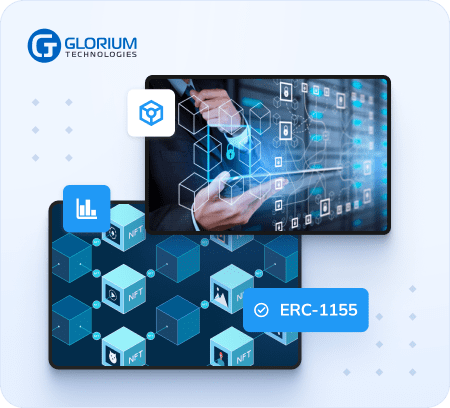
- Ensuring wallet and data compliance with GDPR/CCPA
- Winning investor trust without an MVP
- Onboarding non-crypto businesses and collectors to Web3
- Privacy-safe design with access control
- Detailed docs showcasing monetization and scalability
- Auto wallet creation for simplified sign-ups by 70%
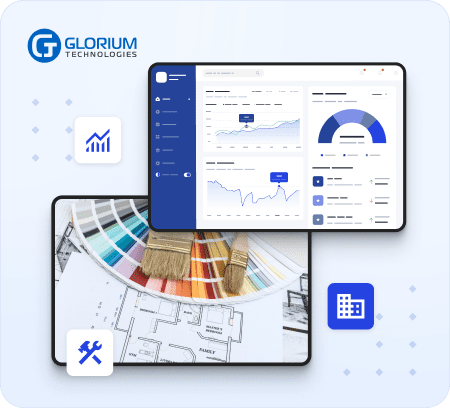
- Unified workflow for renovation stakeholders
- Data gaps because of poor system integration
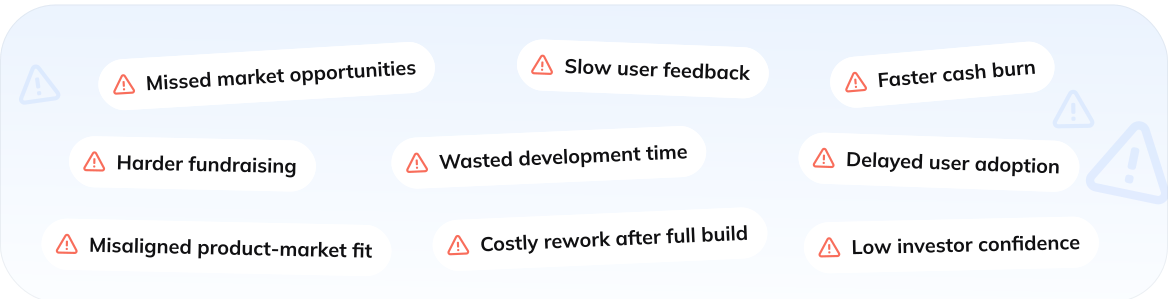
- Full build blocked until MVP shows clear demand
- Role-based dashboards for all renovation users
- Out-of-the-box sync with top PMS platforms
- Launch backed by site, driving 10K+ site visits from month one
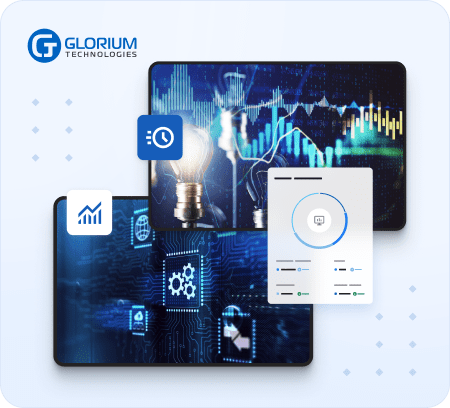
- Heavy data use strained 4G, reducing reliability
- Offline sync failures hurt data accuracy and trust
- Lack of local processing caused traffic overload
- UI and server updates improved the user experience by 40%
- Backend optimized for speed and reliability
- Offline data flow validated for compliance by 25%
Expertise That Moves Projects Forward















Your Vision Needs More Than a Patchwork Build
- Launch-ready in weeks, not years
- Up to 60% development cost reduction
- Improved investor confidence


Doors Open with the Right MVP. Ready to Walk Through?
What You Risk by Skipping the MVP Development
What our clients say about us







Our clients journeys








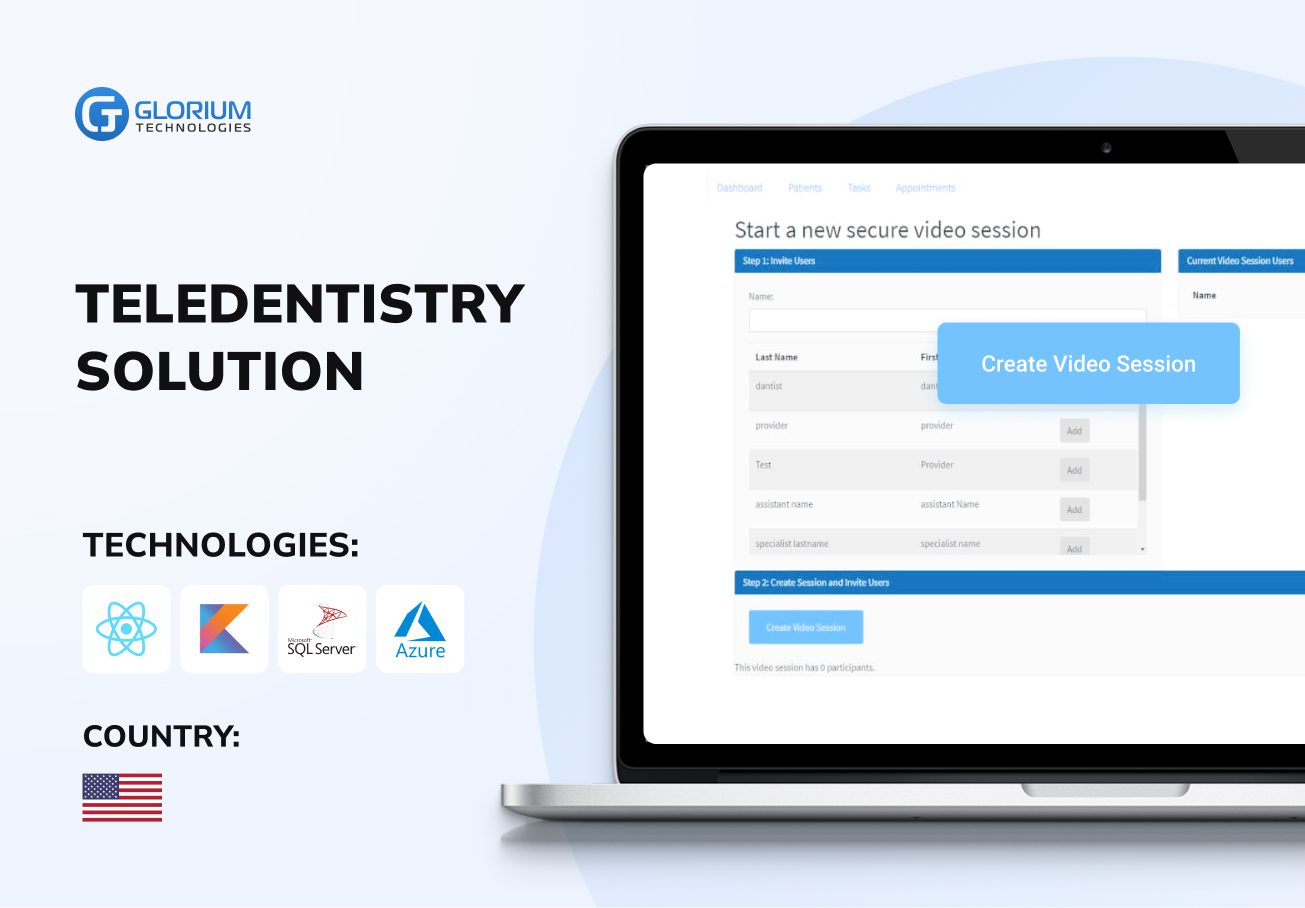


Who we are
About usGlorium Technologies is a full-cycle app & software development company which covers specific client business needs and manage them with the help of the best possible technology solutions.
Since 2010, we have been inventing digital breakthroughs, helping startups and businesses come out on top in their markets.

Why choose us


Certifications








Let's Connect!



What Custom MVP Development Services Bring
Every founder knows that it’s a 50% chance of turning an idea into something investors believe in. Some products earn a cult following; others never reach their audience. So, can you shift the odds in your favor and aim for something closer to 90%? The practical answer is the same across the industry: build an MVP.
A minimum viable product helps you avoid joining the 56% of startups that miss product-market fit. Instead of investing months of work and the whole budget in a concept that shines only on paper, you learn what users actually want.
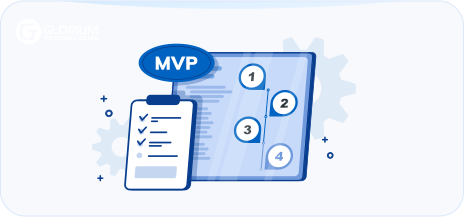
An MVP is a relatively simple app, a solution to test the initial idea without incurring the costs of developing the entire application. It includes the minimum features that you believe your final app needs, serving as a starting point for future iterations by collecting real user feedback and validating assumptions.
How Minimum Viable Product Development Lowers Risk for Startups
MVP software development enables entrepreneurs to minimize financial risks. You don’t bet huge capital on unproven assumptions, but release a small, functional product that you can share with your target audience to watch how they interact with it. By starting small and using iterative development, you add features only after confirming there’s genuine interest. Each improvement is guided by real behavior instead of internal debates. And this approach pays off as studies reveal that nearly 80% of features in the average product end up unused. That’s a lot of code to build, maintain, and explain by an MVP software development company you pay.
When you launch a bare-bones product while incorporating user feedback, you only spend your development budget on features that address market demands. This focused validation process has helped numerous startups secure future funding, as they demonstrated business intelligence that investors set a high value on.
What the MVP Development Process Involves
When you define your MVP scope early, you create a version of your product that speaks directly to your target market. This increases the probability of higher launch success rates. A good example is Notion, which began with a simple note-taking tool and expanded through continuous improvement based on real user behavior.
Market research and validation
Before you build anything, you need to know whether your idea truly matters to the people you hope to serve. You need to conduct a competitive analysis and user research to understand who your target audience is and where your product could deliver the most value. This early work blends idea validation with practical business analysis, giving you a clear view of market size, competitors, and how ready customers are to pay for a new option.
Market validation isn’t about just surveys and spreadsheets; it suggests real conversations with potential users, studying how they work today, and spotting gaps your product can fill. When you learn their behaviors, frustrations, and expectations, you gain the insight needed to shape the right features and position your product in a way that resonates.
Setting KPIs
Building a successful MVP becomes much easier when you know exactly what you want to achieve in the coming months. You should set KPIs with business goals in mind to have a clear path that shapes the entire development process.
You should home in on signals that matter: how many users you attract, how often they return, how engaged they stay, and whether they’re willing to take the next step. By making those metrics SMART, aka specific, measurable, achievable, relevant, and time-bound, you can keep growth grounded in facts. Combined with thorough market research, this approach helps you determine what’s working and what needs refinement.
Determining core features
When it comes to MVP software development, you need to prioritize features and zero in on the core functionality that delivers real value in the earliest MVP development stages. Every extra add-on increases costs and delays your launch.
Teams providing MVP development services use different structured methods; for example, MoSCoW helps them separate essentials from nice-to-have ideas. The Kano model shows elements that improve user satisfaction, and RICE weighs each option by reach, impact, confidence, and effort. These frameworks help build a clean user flow and invest in features that support both business goals and user needs.
Agile development
According to the 17th Annual State of Agile Report, 71% of software teams use agile methodologies in their software development cycle. Instead of pushing a large release all at once, you break the work into short sprints with clear goals and frequent check-ins. This structure lets you gather feedback and react quickly to what you uncover during real user testing.
As a leading MVP development company, Glorium Technologies approaches each sprint as an opportunity to accelerate development. When you work with us, this cycle of rapid iterations helps you move forward quickly while still maintaining the level of quality your product needs to grow.
QA and deployment
As you continue your MVP journey, you need to work with quality assurance specialists. With continuous integration, you can roll out updates quickly and keep reliability high. You can evaluate new features through functional checks, test the experience with real people, and review how the system responds under pressure. That way, you resolve major issues early and save smaller tweaks for later.
When you open the product to early adopters who match your key user personas, use controlled access and strong feedback mechanisms. You can pinpoint potential issues and prevent them from snowballing right in the launch phase.
Benefits of MVP Development Services
Before you invest in a full product build, MVP software development services give you a practical way to test your idea with real users and avoid costly missteps. It’s no surprise the MVP market is growing 12.90% year over year, as more founders want validation before committing big budgets. Many big names like Dropbox followed this path, starting with a simple demo that brought in thousands of sign-ups long before the full product existed.
Faster time-to-market
As a bespoke MVP development company, we’ve met countless clients who prioritize time-to-market very often. Minimum viable products enable this by excluding non-essential elements from the development cycle, allowing you to deploy apps faster.
Early validation of the product idea
Companies develop minimum viable products to observe consumers’ reactions and validate their assumptions and ideas about the product. This way, they can modify the product concept, make a few adjustments, or develop the complete app immediately, depending on the results.
Opportunity to gather valuable user feedback
What drives company success? We believe it’s the ability to adapt to early customer feedback and suggestions. That’s why minimum viable products are essential. They allow you to gather your consumers’ views on your products and services before deploying them in their complete form.
3 Companies That Turned Simple MVPs into Lasting Business Growth
Every MVP project aims to get a monetized version of a product. That’s why choosing MVP development services that truly deliver matters so much. You’re not just checking whether your idea makes sense; you’re laying the groundwork for future growth and, who knows, maybe even a future unicorn story.
Some of the world’s most recognized brands started with nothing more than a simple prototype. Yet those early versions were enough to attract users, spark interest, and fuel the kind of momentum that turned small experiments into the talk of the town. Here are a few of them.
| Company | Early MVP Concept | How It Drove Business Growth |
| Dropbox | A short explainer video showing how file syncing would work | Thousands of sign-ups before launch proved real demand, helping secure funding and scale quickly. |
| Airbnb | A basic website offering air mattresses in the founders’ apartment | Early bookings validated the idea, attracting investment and enabling rapid expansion into a global marketplace. |
| A simple photo-sharing app with filters | Fast user adoption helped refine core features and led to explosive growth, ultimately resulting in Meta’s acquisition. |
In-House vs. Professional MVP Development Services
When planning your first build, one of the pivotal decisions is whether to rely on your internal team or partner with experts offering MVP development services. Both paths can work, but they differ in cost and speed. The lack of required technical skills in-house can double the development timelines and result in building (i.e., investing money in) features your market doesn’t need.
| Aspect | In-House Team | Professional MVP Development Services |
| Technical Skills | Depends on existing staff | Access to experienced MVP developers |
| Speed | Slower, limited capacity | Faster through rapid prototyping |
| Cost Control | Lower hourly cost, higher long-term effort | Predictable scope and timelines |
| Strategy Support | Limited | Including MVP development consulting and market guidance |
| Scalability | Harder to expand quickly | Easy to scale resources as needs grow |
How to Choose the Right MVP Development Partner?
Your choice of MVP software development services shapes everything that happens after development begins, so you want a team that understands more than code. Look for a company with a proven track record and a strong grasp of business development because your MVP should support both product direction and real market needs. More than half of startups collapse simply because they create something the market never asked for, a clear reminder of why strong consulting services matter.
A reliable partner should help you:
- Define a realistic first version of your product
- Focus on features your early users will care about
- Set priorities that save time and budget
- Combine technical skills with strategic guidance
- Validate decisions with research
- Gain access to an extensive technology stack
- Get ongoing support and maintenance
Glorium Technologies for Bespoke MVP Development Services
If you want an MVP partner that treats your idea as more than a checklist of features, welcome to Glorium Technologies. Our team brings together product strategists, engineers, and analysts who know how to shape early concepts into versions your market will care about. Our experience speaks for itself: 150+ completed launches, 80+ industry awards, and recognition in Clutch’s Top 1,000 Global Service Providers, to name a few.
We help founders turn first concepts into polished, monetized versions with practical guidance and consistent results. Apart from coding and technical aspects, you get support that covers product thinking and smart decisions at every step.
Ready to turn your idea into a version people will pay attention to? Contact us today.

More From Glorium Technologies
Questions You May Ask
What industries do you specialize in?
We work with clients across various industries, including healthcare, real estate, finance, education, e-commerce, fintech, manufacturing, construction and others. Our professional team has extensive expertise in these particular fields, which allows us to offer user-centric solutions that meet your company’s needs.
Can you help with market research and validating my idea?
Yes. Our company offers detailed market analysis and idea verification. We will work on creating market and consumer analysis, defining your target users and consumers, and, as for your minimum viable product, checking whether the concept is viable and has high chances of success on the market.
Do you offer post-launch support for MVP development services ?
Yes, our MVP app development services include post-launch support and maintenance. As soon as we launch your product, our professionals observe its functions and performance to analyze and suggest improvements if necessary. Our support includes bug fixes, performance monitoring and optimization, feature enhancement, etc.
Do your MVP software development services include sull-scale development?
Absolutely. Our team is here to help you improve your minimum viable product and turn it into a perfect product. We use scalable architecture and agile development from the discovery phase, which eases the introduction of new capabilities and the growth of the product as the business advances.
What are the timelines for minimum viable product development?
You can expect to see your idea turning into a product within 2 to 4 months. The release of a functional first version can happen faster or be delayed, depending on complexity, team size, and how quickly decisions are made. The process typically includes discovery, feature prioritization, design, development, and testing. Products with advanced integrations or larger scopes naturally take longer, while lean concepts move through the cycle more quickly.
How much does it cost to build an MVP?
Most of our startup-centric MVP projects fall in the $10,000-$30,000 range. The final price depends on the scope, feature set, and the desired launch timeframe. Costs can be lower or higher based on the complexity of your idea and the MVP services you select.
Adding AI-powered development or custom integration increases the budget, while simpler versions stay on the affordable side. Strong planning and early validation help keep expenses predictable.
What specialists do you involve in the MVP development process for mobile devices?
A core team typically consists of a product manager, a UX/UI designer, and mobile developers specializing in iOS or Android development. You may also need QA engineers to test early versions and a backend developer if your app requires server-side logic. Depending on the project, our analysts or DevOps specialists join to support architecture, performance, and smooth releases.