











Meditation App Development


Plan Your Budget Confidently.
Choose Your Starting Point



Reasons to Invest in Meditation App Development Solutions


Who We Build Meditation Apps for


Take Meditation Beyond Studio Walls
- Reduce app churn rates by up to 40%
- Increase subscription conversions by up to 35%
- Expand global audience reach by up to 60%

Custom Meditation App Development Solutions









Integrate Meditation App Features Users Expect


Full-Cycle Meditation App Development


Tap into Monetization Opportunities with Your Meditation App


Mental Health Solutions with Wider Wellness Impact
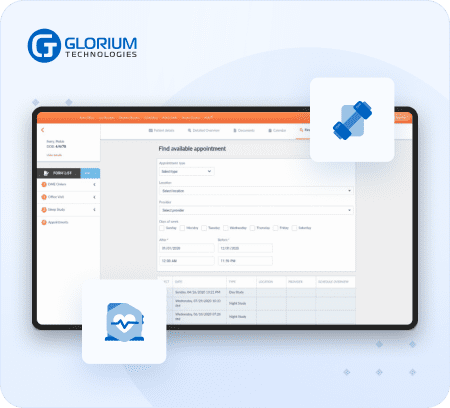
- Replace a legacy desktop-based application
- Ensure seamless integration with a new server
- Enable connectivity with modern sleep devices
- Delivered a high-performance, web-based solution
- Simplified and accelerated EMR integrations
- Introduced flexible, user-friendly customization options
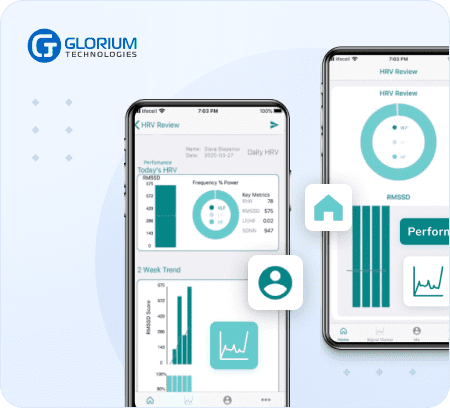
- Outdated legacy app with poor performance
- Complex integration with advanced sensor technologies
- Complicated and inefficient diagnostic reporting process
- Enhanced training system with broader capabilities
- Intuitive tools supporting effective self-regulation
- Real-time, clear feedback to strengthen overall well-being
- Ensure secure HIPAA/HITECH compliance
- Deliver high-quality, reliable video streaming
- Handle complex, advanced feature implementation
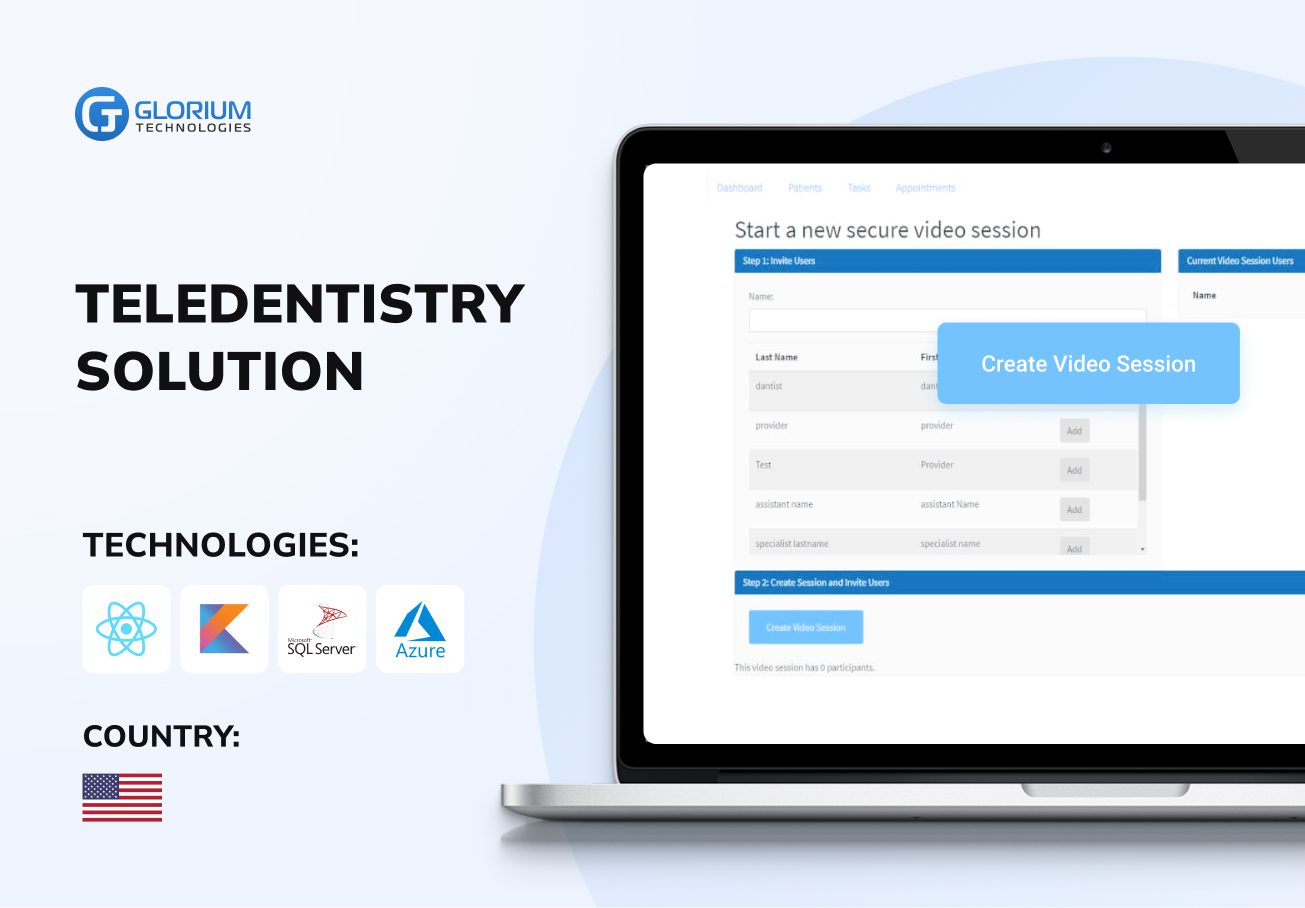
- Provided secure, fully compliant video streaming
- Enabled affordable, accessible remote care access
- Achieved easy, seamless cross-platform usability
Tech Stack Behind Your Custom Solutions

















Can’t Find What You’re Looking For?


What our clients say about us







Our clients journeys












Who we are
About usGlorium Technologies is a full-cycle app & software development company which covers specific client business needs and manage them with the help of the best possible technology solutions.
Since 2010, we have been inventing digital breakthroughs, helping startups and businesses come out on top in their markets.

Why choose us





Certifications








Let's Connect!



Meditation App Development from the First Idea to Launch
Thousands of years ago, people realized that stillness could be as powerful as action. Yet today, many still forget to pause and listen within or just don’t know how.
Meditation apps fill that gap, transforming an ancient practice into a modern solution. Millions are now on the lookout for a download-worthy mindfulness app that can help them cope with stress, anxiety, and daily pressure.
The meditation app development market is expected to reach up to $3,632.3 million by 2030, showing just how much demand there is for tools that make mindfulness accessible. But behind every successful meditation app lies more than just guided breathing exercises or calming music. It’s about creating a platform that delivers personalization and user engagement.
Take the Headspace app, which started as a simple idea to make mindfulness available to everyone. Today, it serves millions worldwide while partnering with major companies to support employee well-being. If you’re considering creating meditation apps, the path from the first spark of an idea to a polished launch is full of choices about design, features, and technology stack. Each stage of meditation app development determines whether your product speaks to the target audience and can thrive in the Apple/ Google Play stores.
Top Players of the Meditation App Market
Several main companies, like Headspace or Calm, dominate the industry. These apps have become examples of how a mindfulness meditation app should perform and have gained immense popularity. To understand what makes a successful meditation app, we recommend reviewing such apps as:
- Calm: We’re sure you’ve seen at least one ad for the Calm app. This application is famous for its sleep stories narrated by celebrities. Besides this fantastic feature, it also has a user-friendly interface and keeps users coming back for more.
- Headspace: If you want to build a meditation app like Headspace, you’ll need to integrate playful animations and guided meditation sessions.
- Insight Timer: This app has the largest library of free resources and guided meditations.
- Breathe: Breathe is a mindfulness meditation app that helps users find comfortable and suitable daily routines and stick to them.
- Buddhify: What’s unique about this app is its functional suggestion, recommendation system, and wheel interface.
We recommend that your mindfulness app development team review these and other meditation apps that dominate the industry to learn about their interface, functionality, and what drives app users to their services.
How to Create a Meditation App in 6 Steps
Have you devised an out-of-this-world calming design or made a particularly soothing voice recording? While fueling your business idea with passion is half the job, you need a plan to keep users engaged long after downloading. Only 4.7% of those downloading a meditation app are still using it after 30 days. That stark drop-off reveals a harsh reality: adoption alone doesn’t prove success. That’s exactly why retention should sit at the heart of the mindfulness app development process.
Calm analyzed user behavior and discovered that users who set a daily reminder returned at three times the rate of those who didn’t. Integrating simple, habit-forming prompts like that can help keep users engaged well past the first week. Let’s walk you through the 6-step process to build a meditation app that retains.
Identify the unique value your app brings
You might be worried about the tech stack, your audience’s preferences, and the design. You might even be compelled to jump right into the UI/UX design process, but we recommend taking a step back and assessing your app idea.
Ask yourself these questions:
- What is the unique value proposition for your own meditation app?
- How is your meditation mobile app better than what’s already on the market?
- Will your mindfulness app allow in-app purchases, or are you offering free services?
Gather information about your audience and their preferences
Engage your meditation app development team and your researchers in this step. You may have to devote quite a lot of time to research and user analysis to find all the pain points and develop features according to them.
Analyzing key players in the market (such as those we mentioned above) will help you better understand your user preferences. You can use this information as a guide to your meditation mobile app development.
Decide on development approach: in-house or outsourcing
When it comes to developing yoga and meditation apps, one of the first choices is whether to keep the work in-house or bring in an external team. Both of the approaches have their pros and cons, but we always recommend working with professionals.
Building your app in-house gives you more control and makes communication easier, but it has limits. Many internal teams lack the full range of expertise, and filling those gaps often means hiring extra specialists—a process that can be slow and costly.
Outsourcing your app development might seem risky at first. Still, sought-after companies like Glorium Technologies offer flexible collaboration models, transparent communication, and, most importantly, a team of meditation app developers with hundreds of completed projects.
Draft the first design: UI/UX
To make your product successful, you need a user-friendly UI/UX meditation app design. Users come back to mobile apps that are easy to use and intuitive. To create such a meditation app, you’ll need to engage professional designers and UX researchers.
Develop core and extra features
First, you’ll have to decide on the tech stack and know what platforms you’re developing your meditation app for. This will help you decide on technologies to use. Then, you can choose and develop key features of your meditation app, including:
- Guided meditations
- Timer and tracking tools
- Progress monitoring
- Customizable sessions
- Audio library
Scroll up to our service page to find a list of our recommended features and descriptions to help you decide what to add to your meditation app.
Once you’re done with core features, you can add advanced features like AI-powered personalized recommendations, VR and AR experiences, social sharing, etc. If you consider integrating these top-notch technologies into your meditation app, we would be happy to help.
Test, launch, and gather feedback
Last but not least, once you have your app ready, you must engage your QA engineers to test the meditation app. You may need test automation and manual testing. We also recommend integrating advanced analytical tools for collecting and digesting end-user feedback. This will help you understand how your app is performing and if there’s any need for adjustments.
Our Recommendations when Developing a Meditation App
For over a decade, we’ve been creating meditation and mindfulness apps—and along the way, we’ve learned a few lessons worth sharing. Here are some insights that can guide you in your own meditation app development:
- Develop a minimum viable product before developing the whole app to test the concept and the market.
- You can never go wrong with an intuitive design and simplicity.
- Make sure your essential features are fully functional before adding advanced features.
- Research your audience’s willingness to pay before adding in-app purchases, and consider offering a freemium model at first.
- The cost of developing a meditation app increases as you add more features.
You May Encounter Some Challenges When Developing a Meditation App
The meditation app industry continues growing, but you have to go all out to break through. Studies show that nearly 50% of health apps are uninstalled within the first month, often due to poor usability. In mental health app development, everything matters—from intuitive design to seamless performance across iOS and Android devices. Working with skilled professionals and spotting risks early can save you from costly mistakes in meditation app development, including:
- Market saturation: As highlighted earlier, meditation apps face intense competition, so building your own requires thoughtful planning and clear differentiation. Working with experienced professionals can help you shape features that resonate with users and create long-term growth opportunities.
- Personalization: Companies sometimes cut back on personalization to save money, but that can turn users away. People enjoy apps that feel designed for them, and the real challenge is adding those personal touches without making the experience complicated.
- Privacy concerns: When someone uses your meditation app, they trust you with personal and sensitive information that must be kept secure. Safeguarding this data and minimizing legal risks can be complex, but it’s a responsibility no developer can overlook.
- App monetization: Figuring out how to make money from a meditation app isn’t simple. You need the right mix of free and paid features, and just launching the app won’t be enough. Without the right guidance, companies can easily lose direction.
How Can Glorium Technologies Help?
Over the past 15 years, we’ve seen a clear pattern—users stick with intuitive apps that offer a smooth experience and show that the provider genuinely understands their needs. As a trusted meditation app development company, we deliver exactly that. From concept to launch, we provide a full-cycle development service, backed by certified professionals who know the ins and outs of mental health regulations and industry standards. With collaboration models designed for comfort and transparency, we help you build apps that meet compliance requirements and win lasting user engagement.
Got a meditation app idea? Let’s talk. Book your free consultation and get expert answers today.

FAQs
How much does it cost to build a meditation app?
There’s no sure way of saying how much meditation app development costs without scheduling a consultation and going over the details. However, we can tell you that the complexity of the features, customization, and personalization requests heavily affect the price. For a simple meditation app with basic features like guided meditations, user profiles, and other basic functionalities, you might pay around $30,000-50,000. A complex mindfulness app that has personalized recommendations, social integration, advanced analytics, and other extra features, you may have to pay around $100,000-200,000.
What platforms do you develop meditation apps for?
Maximizing the reach of your app is one of our primary goals. That’s why we offer a dual-platform approach and develop meditation apps for both iOS and Android platforms. We also offer cross-platform development to make things easier. If you’d like to just test your app out and you’re a bit tight with the budget, you can develop the app for only one platform and develop it for another one later (after you’re satisfied with the performance).
Are meditation apps in demand, and do you recommend them?
Yes. Meditation and mindfulness apps are in demand since mindfulness practices, self-care, and self-improvement have become part of our daily lives. Users are actively setting new traditions, self-care routines, and rituals with the help of such remote services as meditation apps. They’re convenient, comfortable, and often user-friendly.
Is ongoing support and post-development app maintenance included in your meditation mobile app development services?
Yes. We provide post-launch support and ongoing maintenance services. Since custom-made applications are complex and flexible, our collaboration doesn’t end with launch. As your business grows, as you find more users and think of new ways to please your loyal customers, we’ll be there to adjust your app regularly to the changes.
Additionally, the industry regulations and standards may change, and your app must follow these changes.
Do you work with legacy projects?
Yes, we do provide support for legacy projects. In case you have an app that needs some improvements, updates, or maintenance, we are here for you.
We appreciate that the value of existing solutions should be maintained and enhanced to conform to modern requirements and generate a positive user experience. Our team will assess your project, provide you with suggestions on how to proceed, and aid you in transition to ensure you get the best support for your meditation app.
Can you include subscription and in-app purchase options in the app?
Yes. We can help you with monetization and recommend both paid and freemium options. We can also help you create a subscription-based connection with your audience. If you request this, we can also set up payment gateways supporting multiple currencies and payment methods.
How much time does it take to create a meditation app?
Developing a mindfulness app can take months. Since it’s a lengthy process, we recommend allocating your resources properly. If you’re not sure how to do this, you can schedule a free consultation with us – no strings attached. We’ll answer all of your questions and give you an estimation of your project budget and timeline.
Can you build AI-powered functionality for my meditation app?
Yes, we can add meaningful AI capabilities to your meditation application. Our team zeroes in on features that genuinely support your users, such as mood-based session recommendations, progress insights that adapt over time, personalized breathing routines, and smart alerts that suggest the right practice when stress levels rise. We’ll help you shape the ideas, refine the data, and build features that feel natural, supportive, and easy for your audience to use.